- Languages
- हिंदी | Hindi












Head Coach
-
1st T20I, India in Zimbabwe, 3 T20I Series, 2026 at Hararenotify
 Zimbabwe
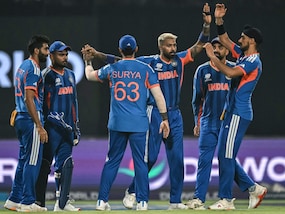
 IndiaThu, Jul 23, 2026 - 4:30 PM IST
 -
2nd T20I, India in Zimbabwe, 3 T20I Series, 2026 at HararenotifyZimbabweIndiaSat, Jul 25, 2026 - 4:30 PM IST
-
3rd T20I, India in Zimbabwe, 3 T20I Series, 2026 at HararenotifyZimbabweIndiaSun, Jul 26, 2026 - 4:30 PM IST
-
1st ODI, Australia in Zimbabwe, 3 ODI Series, 2026 at HararenotifyZimbabwe
 AustraliaTue, Sep 15, 2026 - 1:00 PM IST
 -
2nd ODI, Australia in Zimbabwe, 3 ODI Series, 2026 at HararenotifyZimbabweAustraliaFri, Sep 18, 2026 - 1:00 PM IST


-
 Ben Curran Batsman
 -
Blessing Muzarabani Bowler
-
Brad Evans All-Rounder
-
 Brendan Taylor Wicket-Keeper
 -
Brian Bennett All-Rounder
-
Clive Madande Wicket-Keeper
-
 Craig Ervine Batsman
 -
Dion Myers Batsman
-
Graeme Cremer All-Rounder
-
Nick Welch Batsman
-
Richard Ngarava Bowler
-
Ryan Burl All-Rounder
-
 Sean Williams All-Rounder
 -
 Sikandar Raza All-Rounder
 -
Tadiwanashe Marumani Wicket-Keeper
-
Tafadzwa Tsiga Wicket-Keeper
-
Tanaka Chivanga Bowler
-
Tashinga Musekiwa Batsman
-
Tinotenda Maposa Bowler
-
Tony Munyonga All-Rounder
-
Trevor Gwandu Bowler
-
Wellington Masakadza Bowler
-
Super 8 - Match 11, ICC Men's T20 World Cup, 2026 at Delhi, Mar 1, 2026
 Zimbabwe153/7 (20.0)
 South Africa154/5 (17.5)South Africa beat Zimbabwe by 5 wickets
 -
Super 8 - Match 8, ICC Men's T20 World Cup, 2026 at Chennai, Feb 26, 2026
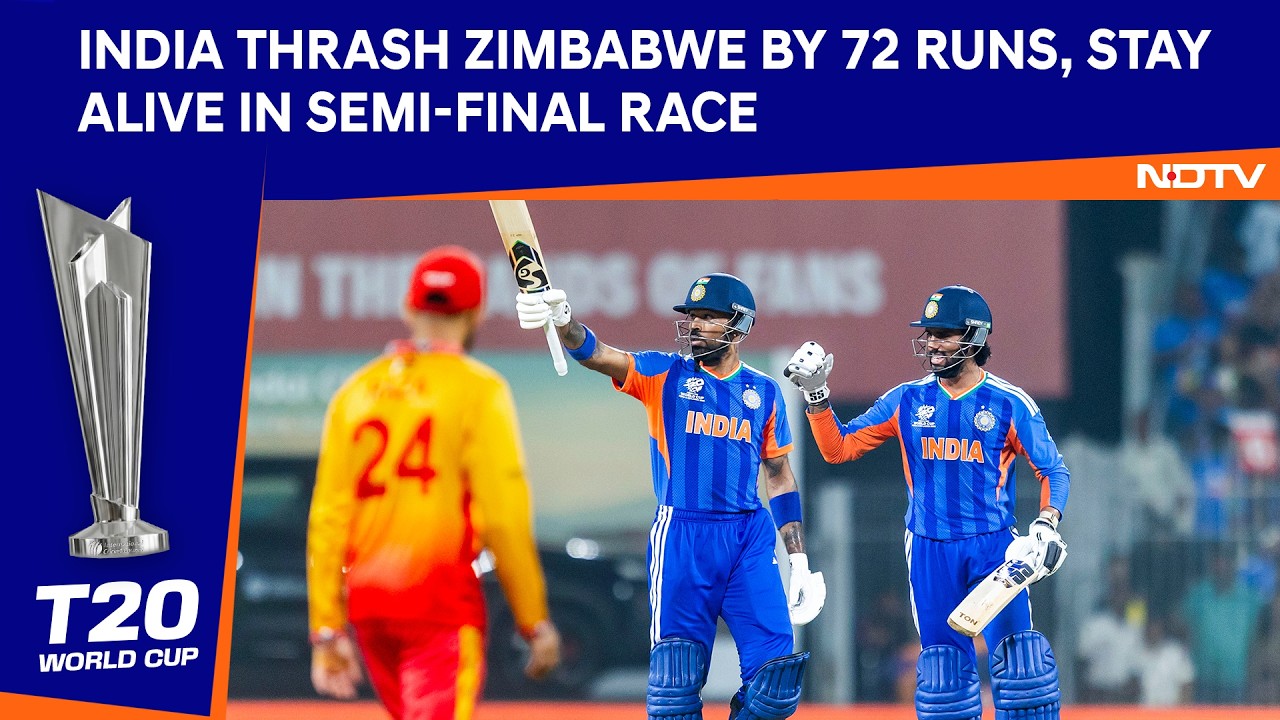
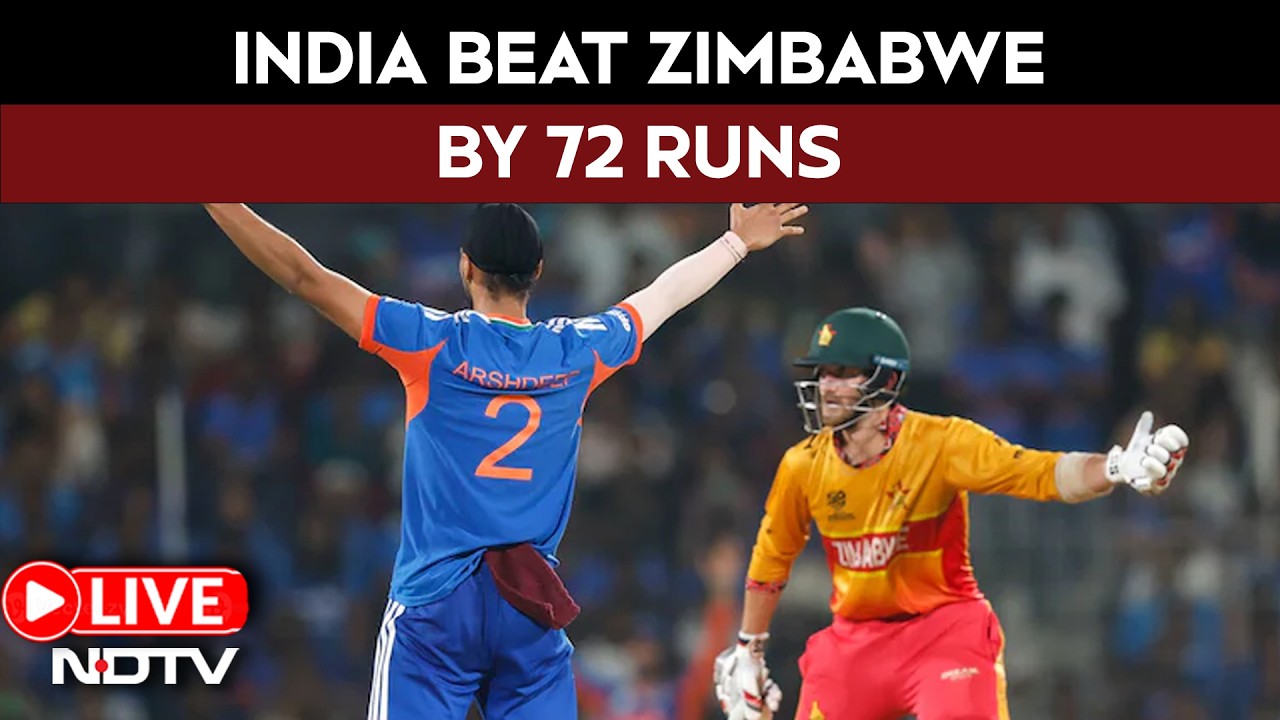
 India256/4 (20.0)Zimbabwe184/6 (20.0)India beat Zimbabwe by 72 runs
 -
Super 8 - Match 4, ICC Men's T20 World Cup, 2026 at Mumbai, Feb 23, 2026Zimbabwe147 (17.4)
 West Indies254/6 (20.0)West Indies beat Zimbabwe by 107 runs
 -
Match 38, ICC Men's T20 World Cup, 2026 at Colombo, Feb 19, 2026
 Sri Lanka178/7 (20.0)Zimbabwe182/4 (19.3)Zimbabwe beat Sri Lanka by 6 wickets
 -
Match 32, ICC Men's T20 World Cup, 2026 at Kandy, Feb 17, 2026
 IrelandZimbabweMatch Abandoned
Zimbabwe Stats
-
Most Runs
No. Player Score 1 
 Andy Flower
4794 2
Grant Flower
3457 3
Alistair Campbell
2858 -
Most Wickets
No. Player Runs 1
Heath Streak
216 2
Ray Price
80 3
Paul Strang
70 -
Most Man of the Matches
No. Player 50s 1
Grant Flower
4 2
Andy Flower
3 3
Guy Whittall
2 -
Most Man of the Series
No. Player 100s 1
 Sean Williams
1 2
Andy Flower
2 3
Alistair Campbell
1 -
Highest Scores
No. Player Avg 1
Dave Houghton
266 2
Andy Flower
232 3
Guy Whittall
203 -
Best Bowling Figures
No. Player SR 1
Paul Strang
8/109 2
Blessing Muzarabani
7/58 3  Sikandar Raza
7/113





About Zimbabwe
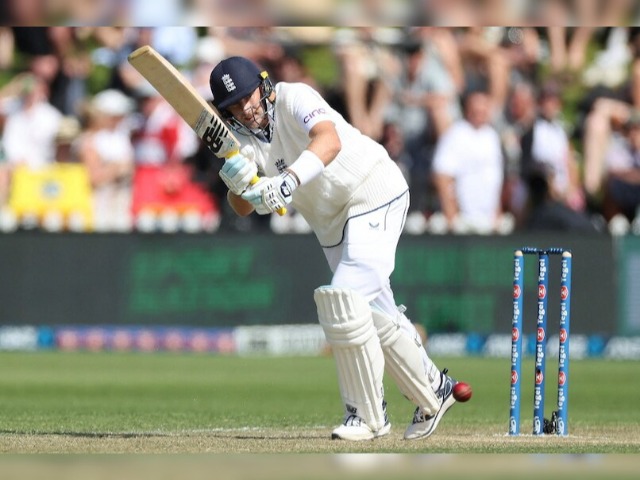
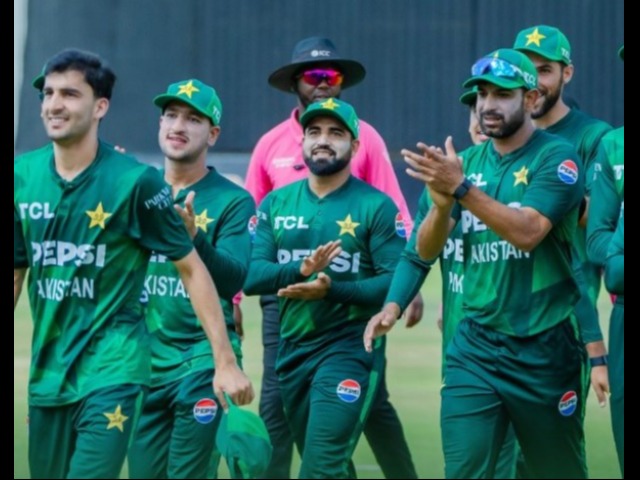
The Zimbabwean cricket team is administered by Zimbabwe Cricket. Formerly known as Rhodesia, the team was later renamed as the Zimbabwe-Rhodesia Cricket team in 1980. However, it was finally named Zimbabwe in 1981.
An Associate Member of the International Cricket Council since 1981, Zimbabwe participated in the 1983 ICC Cricket World Cup and went on to play in the 1987 and 1992 editions. The team was granted Test status in 1992 and they played their first Test against India at Harare, which ended in a draw. Zimbabwe performed poorly in the Test arena, but was a good team when it came to the ODIs. Their fielding ability gained a lot of respect around the world. Some of the world's best cricketers have come from the country of Zimbabwe, like Andy Flower, Heath Streak, Grant Flower, Alistair Campbell and many more. For years, they were known as the face of Zimbabwean Cricket.
However, the increasing politicisation of cricket, selection policy, etc., led to a lot of internal conflicts between the team and the board, and as a result, the management banned the team from playing Test cricket. Most of the senior players went on strike as a mark of protest and the entire team fell like a pack of cards. However, they continued to play ODIs and T20Is and delivered decent performances in the 2007 ICC World Twenty20 and the 2011 ICC Cricket World Cup. The team returned to the Test fold soon after and beat Bangladesh by 130 runs in the one-off Test at Harare.
Considered as a big success for them, Zimbabwe achieved the impossible by beating Sri Lanka in a bilateral ODI series in 2017, surprising one and all. Just when it appeared that the team was reshaping into a formidable unit, Zimbabwe suffered a big blow as they failed to qualify for the 2019 World Cup after losing to UAE in a must-win game in the World Cup qualifier. That came as a shock to many as they were tipped to qualify, especially when they were playing in their backyard. That eventually resulted in the sacking of not only their head coach, Heath Streak, but also their captain, Graeme Cremer and all of the coaching staff. Later that year, they appointed Lalchand Rajput as their new coach and also named Hamilton Masakadza as their new skipper.
Soon after the 2019 Cricket World Cup, the International Cricket Council suspended Zimbabwe Cricket with immediate effect for failing to fulfil their obligation of ensuring that there is no government interference in its administration. As a result, ICC's funding to Zimbabwe Cricket was frozen, and representative teams from Zimbabwe weren't allowed to participate in any ICC events.
The above-mentioned ban lasted only three months. At the ICC board meeting held in October in Dubai, the sanctions were lifted after Zimbabwe fulfilled the conditions set by the ICC board. Although the ban was lifted, Zimbabwe had already missed the qualification pathway for the 2021 ICC Men's T20 World Cup. They returned to the global tournament in the 2022 edition, where they scripted one of the biggest upsets of the competition by defeating the eventual runners-up Pakistan in a dramatic low-scoring encounter.
Zimbabwe cricket, however, continued to ride the highs and lows. At the 2023 ICC Cricket World Cup Qualifier held at home, the Chevrons were just one win away from qualifying for the main event in India and had two opportunities to secure it. However, defeats to Sri Lanka and Scotland resulted in heartbreak for the African nation.
Another setback followed when Zimbabwe failed to qualify for the 2024 ICC Men's T20 World Cup, with shock defeats to Namibia and Uganda during the qualification tournament. The Chevrons returned to the global stage through the 2026 ICC Men's T20 World Cup. They announced their return in style by producing one of the biggest surprises of the tournament, defeating Australia by 23 runs, with Blessing Muzarabani starring with the ball. Later in the group stage, they stunned Sri Lanka as well and progressed to the Super 8s unbeaten.
Although Sikandar Raza and Zimbabwe could not maintain that momentum against stronger sides like India, South Africa and West Indies in the next stage, their performances in the tournament signaled a promising step forward as Zimbabwe continued their efforts to re-establish themselves on the global stage.