



Gautam Gambhir's 'One Tactical Move' That McCullum's England Didn't See Coming
Ind vs Eng T20 world cup, Gautam Gambhir: India coach's tactical match-ups were spot on as the team defeated England by 7 runs in T20 World Cup 2026 semifinal to book a date with New Zealand in the summit clash.
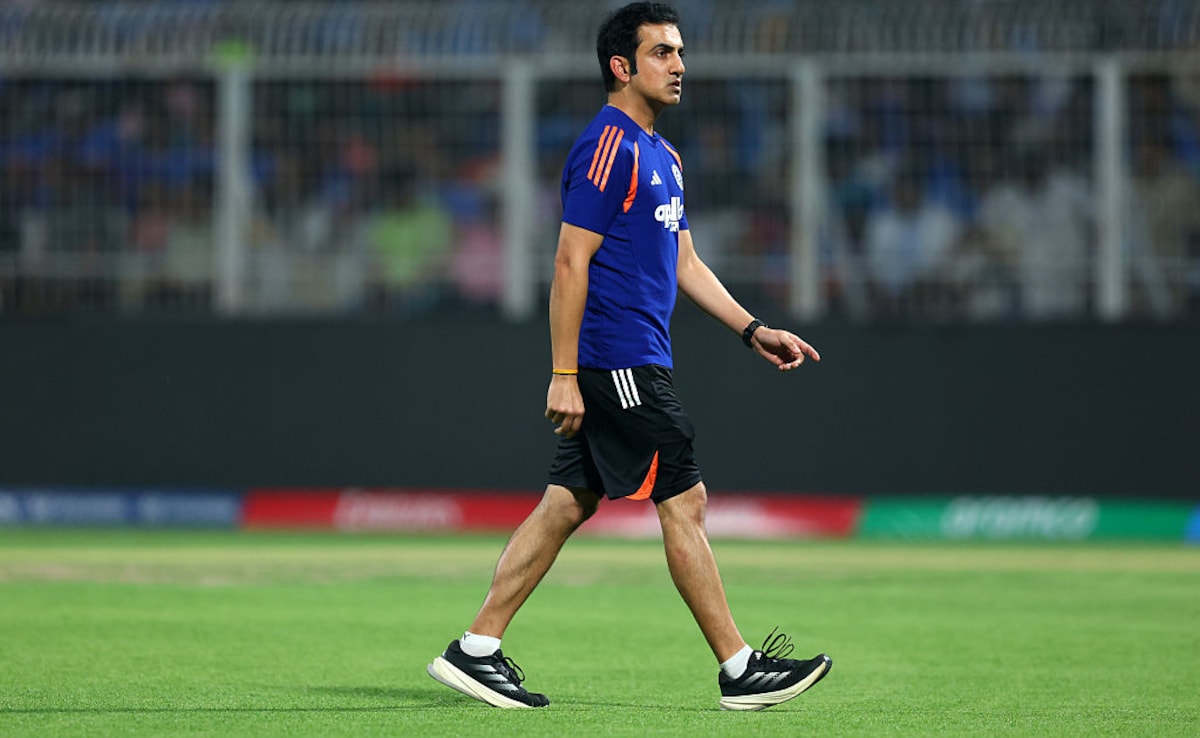
- India head coach Gautam Gambhir emphasised a fluid batting order in the T20 World Cup semi-final vs England
- India promoted Shivam Dube to No. 4 to counter leg-spinner Adil Rashid, a move that reaped big rewards
- India maintained left-right batting combinations to disrupt England's bowling strategies throughout the game
A few months ago, India head coach Gautam Gambhir described batting orders in white-ball cricket as “overrated,” sparking a huge debate among fans on social media. As India faced England in the semi-final of the T20 World Cup 2026, Gambhir proved exactly why a fluid batting line-up is essential in the shortest format. The head coach, known for his belief in match-ups over fixed positions, pulled off a few surprises after England skipper Harry Brook won the toss and sent India in to bat. India captain Suryakumar Yadav admitted he would have preferred to bat first, and his team's execution with the bat vindicated that choice.
While England coach Brendon McCullum is regarded as a tactical genius, Gambhir stayed one step ahead of the Kiwi great, leaving England chasing shadows throughout the contest. In fact, the match-ups tactic was so bold that McCullum or others in the England dressing room simply didn't see it coming.
When leg-spinner Adil Rashid dismissed Ishan Kishan in the 10th over, India promoted left-hander Shivam Dube to No. 4 instead of the expected Suryakumar Yadav. The move was designed to neutralise Rashid, as Dube is considered one of the best players of leg-spin in world cricket.
While Sanju Samson played cautiously against Rashid, Dube attacked him, scoring 22 runs off just eight deliveries, including three sixes. Even after Samson's dismissal, India maintained the left-right combination by sending in Hardik Pandya to partner Dube, ensuring momentum against England's bowlers.
Sending Shivam Dube at No. 4 was a great move. He carried forward the momentum Sanju had built.
— Irfan Pathan (@IrfanPathan) March 5, 2026
Dube's assault forced Brook to bring Jofra Archer back into the attack earlier than planned. India consistently ensured they had either a left-right pairing or a specific type of batter suited to the situation. For instance, Tilak Varma was held back for the death overs, knowing his strength against high pace bowlers like Archer. The constant reshuffling left Brook revisiting his strategies as his strike bowlers struggled to find rhythm.
India's Tactical Masterclass Not Limited To Batting
Gambhir and Suryakumar's tactical brilliance extended beyond batting. Though Jacob Bethell took England close to India's total, several of India's bowling decisions were equally praiseworthy. Anticipating that the Wankhede pitch would play flat under the lights, India prioritised early wickets to disrupt England's momentum.
Hardik Pandya was introduced early and struck with his very first delivery to dismiss Phil Salt. Bumrah was deployed in the powerplay specifically to target Brook, and a clever change of pace induced a mistimed shot that led to a spectacular backward-running catch by Axar Patel.
India reserved three of Bumrah's overs for the final 10. His spells in the 16th and 18th overs were tactical masterstrokes, conceding only 14 runs when England required a scoring rate of 14 per over.
 India Cricket Team
 England Cricket Team
 Gautam Gambhir