






The Bundesliga Blueprint: How Zee Plans To Complete India's Football Viewership Jigsaw
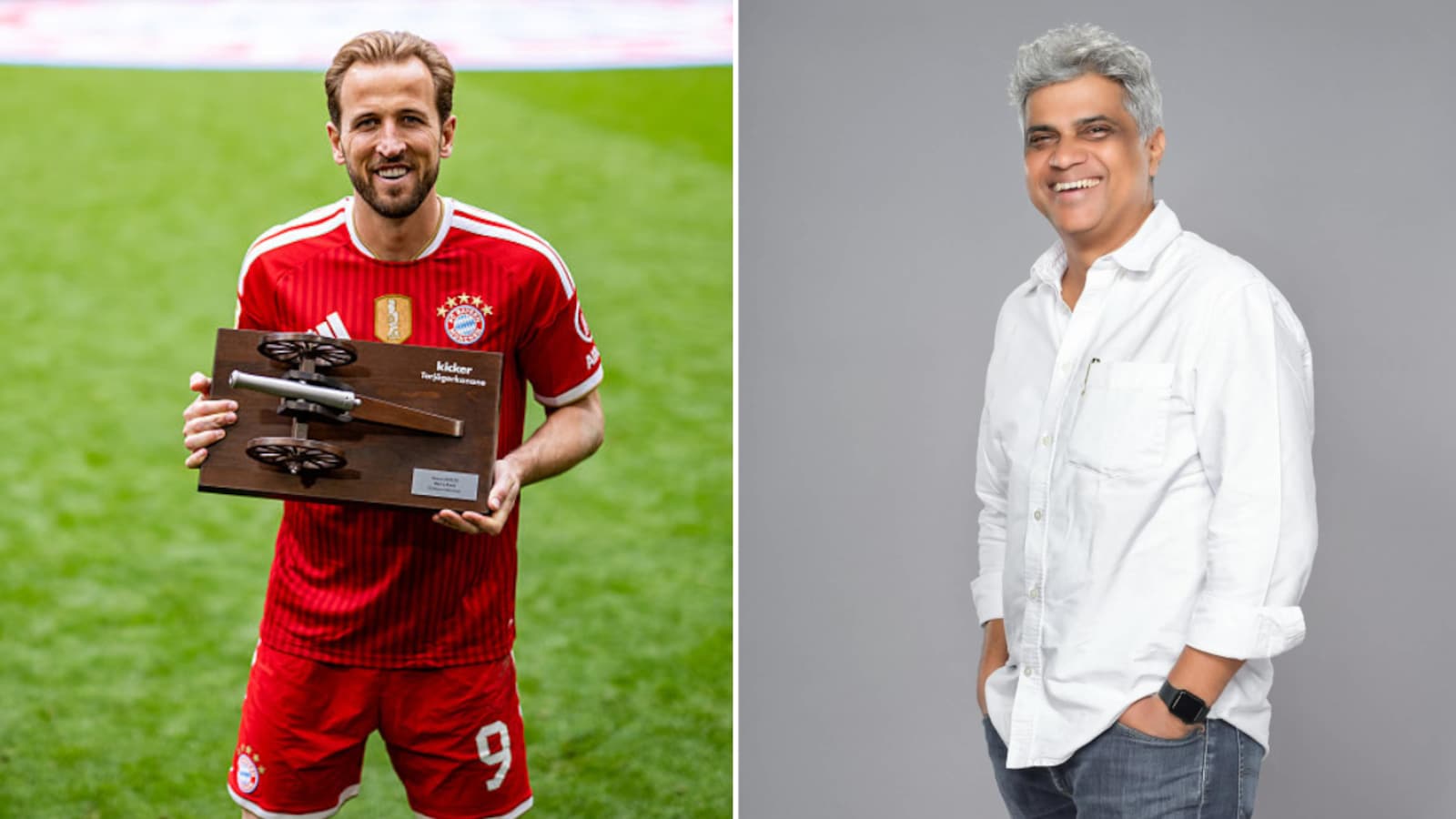
In an exclusive interaction with NDTV, Bavesh Janavlekar, Chief Business Officer at Unite8 Sports (ZEE Entertainment Enterprises Limited), explained his vision behind the five-year acquisition of the German Bundesliga's broadcasting rights.
- Zee Media acquired Bundesliga rights in India with a five-year deal starting August 2026
- Zee plans on-ground activations, coaching clinics, and grassroots programs to build football culture
- Zee aims to market Bundesliga's rivalries, legacy, and values beyond individual players
After bailing out football fans in India with its last-minute acquisition of the FIFA World Cup broadcasting rights, Zee Media wasted no time in adding Germany's top-tier football league, the Bundesliga, to its sporting bundle. The brand is looking to ride the rapidly growing wave of football fandom in the country, and the Bundesliga-as one of Europe's "Big Five" leagues-offers a footballing product that arguably no other league in the world can replicate. While Bundesliga superstars like Harry Kane, Michael Olise and Luis Diaz have been earning new fans with their exploits at the FIFA World Cup 2026, there is far more to German football than just individual marquee names or dominant heavyweights like Bayern Munich and Borussia Dortmund.
Now that Zee has penned a five-year deal with the Bundesliga, capturing the true essence of German football-with its unmatched fan culture and rich, ground-level storytelling-will undoubtedly be at the top of the creative blueprint the broadcasting powerhouse is currently finalising.
In an exclusive interaction with NDTV, Bavesh Janavlekar, Chief Business Officer at Unite8 Sports (ZEE Entertainment Enterprises Limited), shared his vision behind the acquisition of the Bundesliga and the pivotal role the German league will play in building a formidable sports portfolio for the brand in India.
Q: With Zee5 acquiring the Bundesliga rights, how do you plan to convert FIFA World Cup viewers into long-term subscribers?
A: The World Cup proved that Indian audiences want premium football year-round. Bundesliga provides high-quality football every week. While we are currently executing our FIFA coverage, we will roll out robust plans for the Bundesliga ahead of its August launch. Crucially, our strategy goes beyond broadcasting; we are partnering with Bundesliga for on-ground activations, coaching clinics, and grassroots programmes to build a lasting football culture in India. This includes sending a youth team to Germany to experience their ecosystem.
Q: Which audience are you targeting most, local Indian football lovers or fans of European leagues?
A: Both. We are widening the tent rather than narrowing it. Most Indian football fans are already exposed to global leagues, which is why India is a key market. For FIFA World Cup, we offered commentary in Hindi, English, Malayalam, and Bengali to maximize regional engagement. We view all of these fans as part of a single ecosystem.
Q: Are there plans to broadcast the Bundesliga in multiple regional languages?
A: It is too early to say. As this is our first year, we want to see how the league shapes up. However, we are definitely open to introducing regional language commentary as the tournament reaches its final stages.
Q: How does Zee plan to market the Bundesliga brand and German football culture, especially considering the volatility of the transfer market?
A: This is a five-year association because we view sports from a long-term perspective. Beyond individual players, we plan to market the rivalries, legacy, and values of the league. We will create significant shoulder content to ensure fans are living and playing the Bundesliga, not just watching a 90-minute match.
Q: Your deal promises to direct 15% of Zee5's football subscription revenues toward identifying young Indian talent. How will this work?
A: This 15% contribution is a core pillar of our sports strategy. While there are already several grassroots programmes in India, we want to learn from what has and hasn't worked. Rather than trying to maximize scale, our program will be highly focused with measurable outcomes to target and train talent effectively.
Q: Stuttgart is a Bundesliga club that already has a partnerships with Indian clubs. Do you plan to build on these existing systems?
A: Absolutely. We want to learn from what is already on the ground. Indian football is at an inflection point; we have the fans, we just need the heroes. With a rigorous approach to talent identification, training, exposure, and support from the AIFF, we can make this grassroots program a success.
Q: Club football matches take place on weekends. How do you plan to keep viewers engaged during the five-day midweek gap?
A: We will build sports content to run throughout the week. While it is too early to comment on specific integrations like Bundesliga's fantasy football app, we will have a clearer, more precise plan finalized about a month after the FIFA World Cup concludes.
Q: Bayern Munich and Borussia Dortmund have massive followings, but what are your plans to showcase the stories and culture of the other German clubs?
A: We are working closely with the Bundesliga team on this. Because of our current focus on executing the FIFA knockout stages, we haven't had the bandwidth to finalize these details. By August or September, we will have a robust, localized plan to amplify the unique German style of play on the ground in India.