1984 and 2012: A Tale of Two Losses
Except that both the winning English skipper were left-handed batsman, there are hardly any similarity between the two series wins.
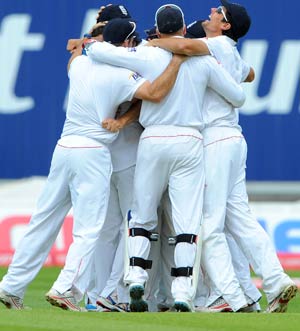 Alastair Cook found an effective way to cure a 28-year itch by winning the series in India. England had won in 1984-85 under David Gower, but except for the fact that both of them are left-handed batsmen, they are as alike as chalk and cheese.
The series between India and England could be dubbed as a tale of two captains, Cook and MS Dhoni. Since the World Cup in 2011, the fortunes of England and India have gone through several twists and turns. In a way, this series was one big opportunity for both the teams to redeem themselves. Cook took over from Andrew Strauss in trying circumstances that gave him little time to ease into the job. That he did so with aplomb both as a batsman and captain will be part of English cricket folklore.
On the other hand, Dhoni was going through the worst phase as captain, with India struggling to live up to expectations in Tests for over a year. He resorted to playing on turning tracks to enhance his record as captain, as also the reputation of his team. That it backfired was unexpected, but it has to be said that he had his way in every respect.
But somehow, he could not rally his forces. The Indian bowlers were conquered by the tenacity, temperament and technical skills of Cook, who was supported by the ever-aggressive Kevin Pietersen and Matt Prior at crucial stages. Whether the English batsmen were too good or the Indian bowlers were inadequate is debatable, but the long and short of it is that the Englishmen put the runs on the board and, most importantly, did not rely on spinners alone like India did.
It was the same case with England in 1984-85, when Neil Foster won them the game in Chennai (then Madras) with an 11-wicket haul. In fact, Gower had to contend with Pat Pocock, the offspinner who was over the hill, and the temperamental Phil Edmonds, who was hopelessly out of sorts. Such was Edmonds' plight in terms of rhythm that he just stood and delivered the ball in the side games.
But this did not deter them from winning the series. Unlike the Dhoni of today, Sunil Gavaskar did not have the luxury then of piling pressure on the curators to dish out the kind of tracks he would have preferred. Besides, neither the selection committee nor the staging associations got into the spin of planning for the team. The English side of 84-85 had enough opportunities to play against the best spinners of every zone in the side games, apart from getting hordes of leggies (as Laxman Sivaramakrishnan was their bugbear) to practice against in the nets.
Despite not being given such overwhelming hospitality, the team led by Cook won the series in style, and in the process gave enough food for thought for all concerned with Indian cricket. At least there were some gains from the reverse in 84-85 - Mohammad Azharuddin burst onto the scene, and Sivaramakrishnan gave some hope and delight.
The differences between the different eras notwithstanding, England won under Gower and Cook for three reasons. Firstly, their batsmen worked out effective methods to negate the "spin threat". Secondly, their pacers delivered when it mattered, and thirdly, they had sound tactics to combat the Indian conditions.
On the other hand, the one big difference between the two Indian teams was that the one under Gavaskar did not harp too much on the nature of tracks. They also conceded that they did not deliver. However, one cannot help but be drawn to the coincidence that on both occasions, England won in India 18 months or so after India won the World Cup.
The big problem now is that there are a lot of questions that need to answered, as the much expected turnaround has eluded India for too long. It remains to be seen if the selection committee under Sandeep Patil will muster the sagacity and courage that Chandu Borde and his colleagues showed in the mid 1980s.