









India vs England, T20 World Cup Semi-Finals - Thirteen Drops, One Reckoning: India Face England With No Margin At Wankhede
Thirteen dropped catches. A misfiring sixth bowler. And England waiting. That's the backdrop as India walk into their T20 World Cup semifinal at the Wankhede Stadium - a venue that doesn't tolerate sloppiness and an opponent that rarely forgives it. This isn't a clash between two flawless sides
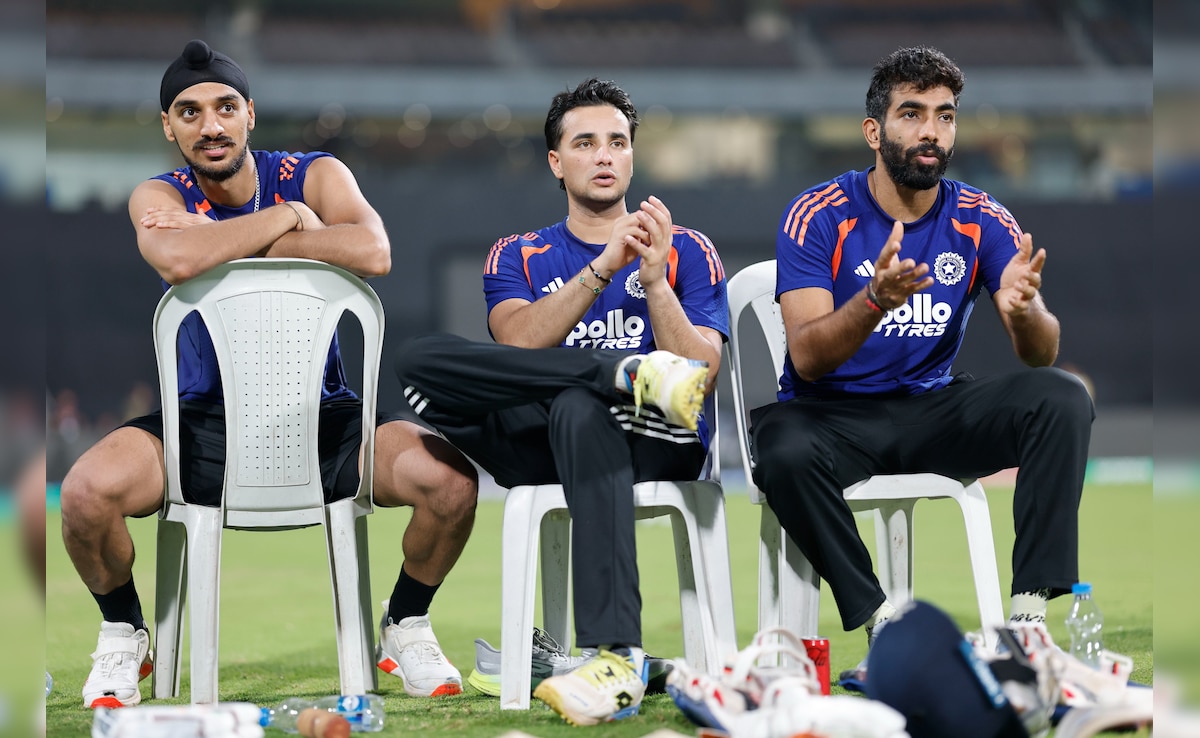
Thirteen dropped catches. A misfiring sixth bowler. And England waiting. That's the backdrop as India walk into their T20 World Cup semifinal at the Wankhede Stadium - a venue that doesn't tolerate sloppiness and an opponent that rarely forgives it. This isn't a clash between two flawless sides. It's a collision between two teams that have shown vulnerability - and enough firepower to make that vulnerability irrelevant on the right night. England hammered India in the 2022 semifinal. India returned the favour in 2024. The ledger reads even. Mumbai becomes the tiebreaker.
Thirteen drops. No hiding from that. India have dropped 13 catches in this tournament.
In T20 cricket, a single drop can cost you 20 runs. Multiply that across a tournament and you're looking at games drifting away in phases. India have given opponents breathing space - and against England's hitters, that's oxygen you cannot afford to supply.
Bowling coach Morne Morkel was blunt but measured.
"No one drops catches on purpose. We train hard. It can be costly. It's about mindset and positioning players correctly," he said.
He admitted that at times India have leaked 15-20 runs in the field. That is the difference between defending 175 and chasing 195. Between control and scramble.
"We're not overanalysing the past," Morkel added. "We want to be at our best tomorrow."
The Dube dilemma
Shivam Dube was meant to be India's sixth bowling option - the cushion that allows an extra batter in the XI. Instead, his recent returns have put the spotlight back on team construction.
This is a batting-heavy Indian side. Unlike previous squads, there isn't another obvious sixth bowling option waiting in the wings. If Dube doesn't deliver two reliable overs, the attack stretches thin.
Asked if there was concern around Dube's bowling form, Morkel pushed back.
"I wouldn't call it a loss of form. It's about execution and decision-making. If he improves those, he remains a valuable option." In a semifinal, "execution" is non-negotiable. England's middle order won't allow a gentle over to slip by.
Wankhede won't wait
The venue adds another layer.
The Wankhede Stadium is etched in Indian cricket memory - most famously for the 2011 ODI World Cup triumph. But history doesn't win you the toss or defend a short boundary.
Conditions could tilt the game. The heat in Mumbai has been intense. The surface has been watered and remains slightly soft for now.
"It's hard to predict exactly how it will play," Morkel said. "Moisture management is important. I expect a good wicket. Possibly high-scoring."
And that means bowlers may not have much margin for error.
If it becomes a 190-plus game, India's batting depth justifies their selection calls. If it grips or slows, England's variety could become decisive.
No perfect team left
Neither India nor England have dominated this tournament. Both have stumbled. Both have recovered.
India's fielding has been patchy. Their sixth-bowler option is under scrutiny. England have had their own inconsistency.
That is what makes this semifinal volatile.
India know what happened in 2022. England know what happened in 2024. One more chapter gets written in Mumbai.
The only certainty? At the Wankhede Stadium, mistakes won't be absorbed quietly. They will be punished.
And 13 dropped catches suggest India are already living on the edge
 India Cricket Team
 England Cricket Team