





Sports Authority HQ Canteen Shutdown: LPG Crisis or Price War? Only Tea On The Menu
Operations at the canteen inside the Sports Authority of India headquarters in Delhi have come to a partial halt
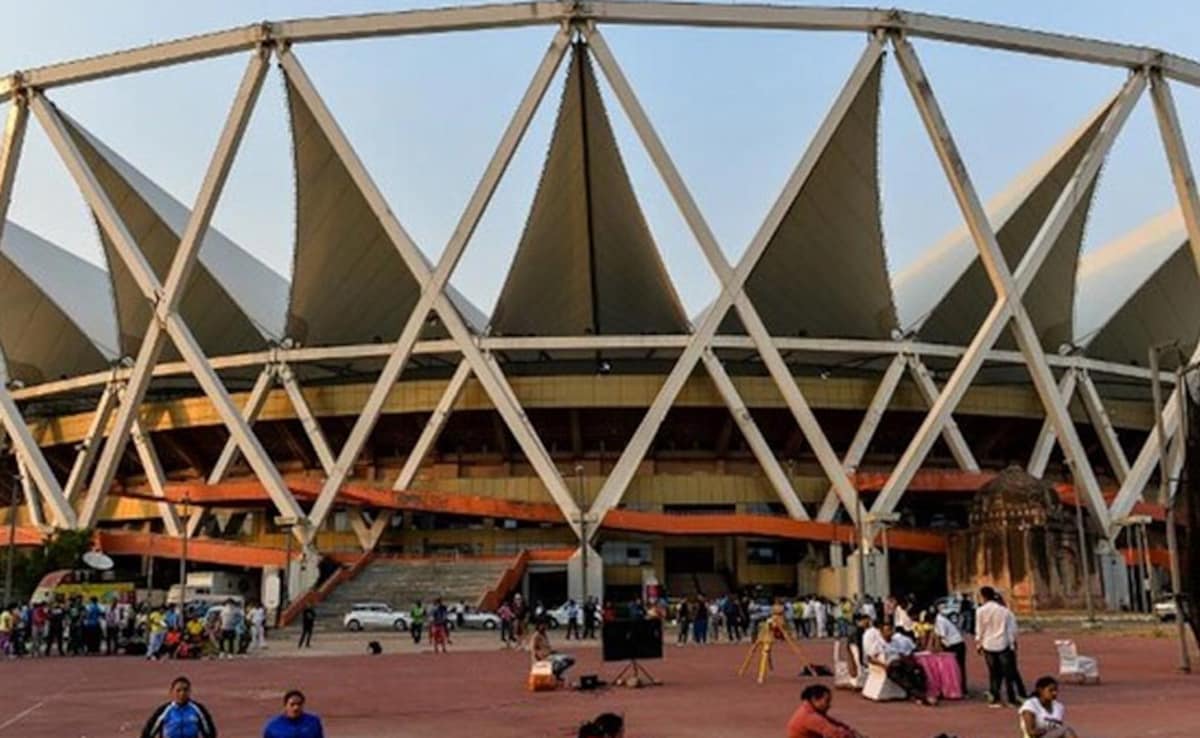
Operations at the canteen inside the Sports Authority of India headquarters in Delhi have come to a partial halt. The cooking activities have been suspended amid what is being described as an LPG supply issue. However, sources indicate the disruption may be linked to pricing disputes with the vendour and not exactly shortage of cooking gas. According to officials familiar with the matter, the private vendor managing the canteen raised concerns over insufficient LPG supply, leading to a complete stoppage in food preparation. But a well-placed source suggested that the issue could stem from the "high prices he has been quoting,"
For now, only tea is being served to staff, prepared using induction cooktops instead of gas. The canteen, which caters to roughly 150 employees at the headquarters, has stopped serving breakfast and evening snacks, leaving staff to make alternative arrangements for meals.
"The cooking of breakfast and evening snacks stopped around the time the West Asia crisis escalated," an official said on condition of anonymity. "It was part of an effort to ration resources. We were informed by the canteen staff that only tea would be available."
Despite the disruption at the headquarters, SAI has clarified that athletes remain unaffected. Those training at the stadium continue to receive their meals at the athletes' mess, which is fully operational. Additionally, there has been no reported shortage of LPG across SAI's National Centres of Excellence or hostel facilities nationwide, where food services are functioning normally.
According to sources, NDTV has learnt that this vendor handling the headquarters canteen reportedly took charge only a few months ago, raising further questions about the sudden suspension of services.
While the LPG crunch has been cited as the immediate cause, the broader context of supply chain concerns linked to geopolitical tensions in West Asia may also be playing a role