


"Might Have Been One Of The Highest Paid IPL Players Today": Ex-BCCI Selector Shares Past Ordeal
The former BCCI selector made his debut alongside Sachin Tendulkar in 1989, and went on to play 20 ODIs and 1 Test for Team India.
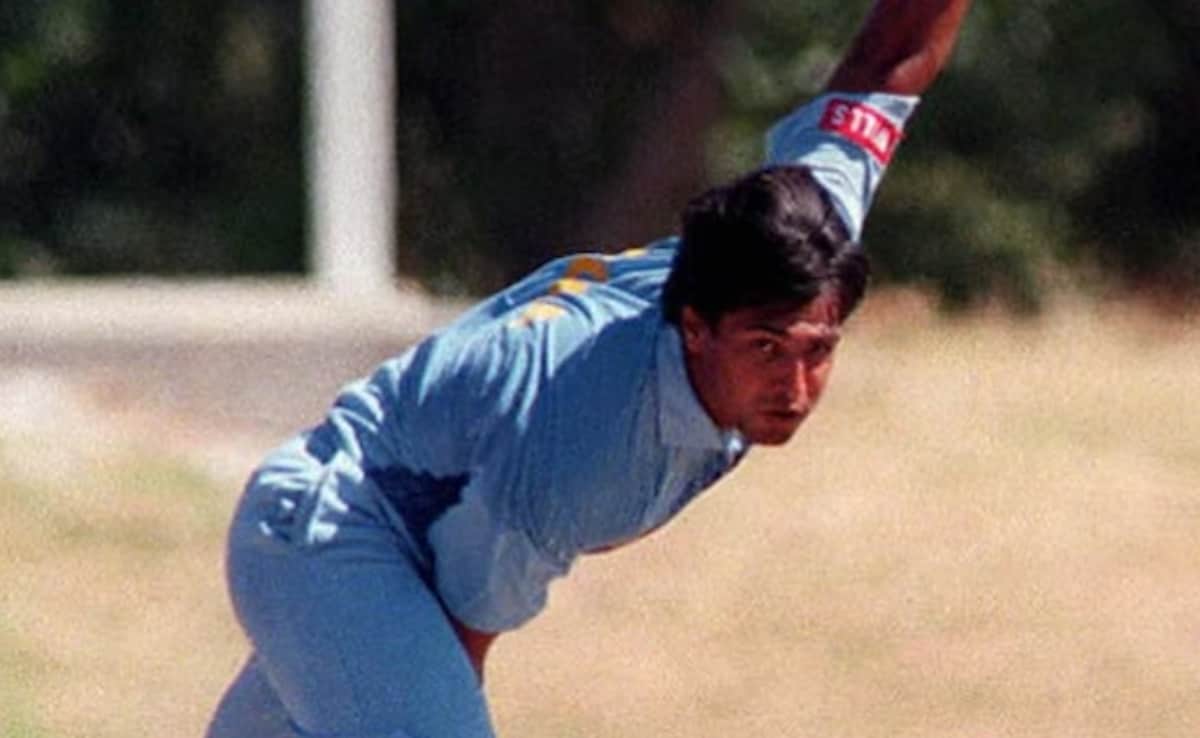
Former India cricketer Salil Ankola has made a stunning claim, saying that he would have been one of the highest-paid players in the Indian Premier League (IPL) if he was playing in the current era. A former BCCI selector, Ankola made his debut alongside Sachin Tendulkar in 1989, and went on to play 20 ODIs and 1 Test for Team India. Speaking on Vicky Lalwani's YouTube channel, the 57-year-old revealed that he never officially announced his retirement.
The former pacer added that despite his best attempts at making a comeback, he never really got the chance to prove himself after being dropped from the team in 1997.
"The final blow came in 1997. No one asked me why I left and just wrote stuff on their whims and fancies. I kept trying for three years to come back. There was no social media and reach also then. I never said I retired. If I were born in this era, I might have been one of the highest-paid IPL players," said Ankola.
Ankola took up acting after his playing career came to an abrupt ending. He also revealed that he did not watch cricket for over a decade.
"From 1999 or 2000 till 2011, I did not watch a single match. I have not seen Sehwag playing, not seen Kohli debut, not seen Zaheer bowling, not seen Agarkar bowling. I have not seen my own friends play. I did not want to see cricket anymore. I started saying why me, because I trained my whole life for it, and suddenly everything went away. I would drink a lot, and it had become my way of escapism," he added.
The tall pacer made his Test debut in 1989 against Pakistan in Karachi, in the same Test match as Tendulkar.
Ankola made his return to the sport in 2020 after he was named selector of Mumbai. In 2023, he became a member of the BCCI selection committee. His tenure came to an end in 2024.
 India Cricket Team