

In Protecting Vaibhav Sooryavanshi, Team India Exposed Its Biggest Flaws
Vaibhav Sooryavanshi wasn't give the opportunity to show his credentials in the 2-match T20I series against Ireland. In protecting the 15-year-old, the team management ended up exposing its glaring flaws.
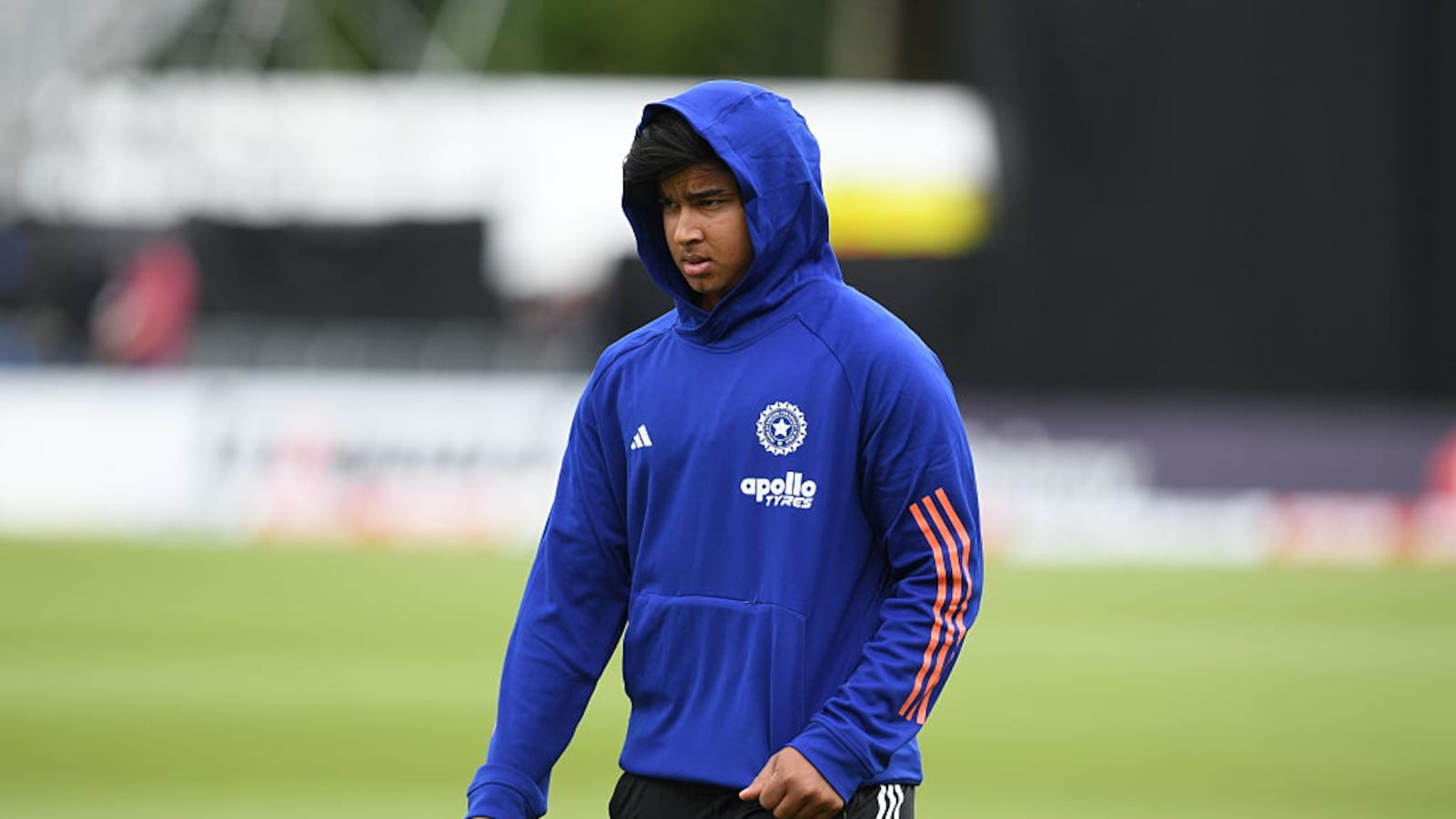
- India's team management benched 15-year-old Vaibhav Sooryavanshi in the Ireland T20Is
- India persisted with top three batters Abhishek Sharma, Sanju Samson, and Ishan Kishan despite their struggles
- India's top order struggled with swing and seam movement on Ireland's green pitches
The decision to shield a young prodigy often seems like a masterstroke of man-management. However, India's embarrassing defeats against Ireland in both T20Is have proved that protective parenting in international cricket can sometimes leave the rest of the family looking incredibly vulnerable. By keeping 15-year-old sensation Vaibhav Sooryavanshi on the bench, the team management didn't just delay a highly anticipated debut, they ended up highlighting structural cracks in India's top-order blueprint.
Vaibhav Sooryavanshi arrived in Ireland with the cricketing world at his feet. Having just dismantled bowling attacks of the highest order in the Indian Premier League (IPL) 2026 season, scoring 776 runs to earn the Orange Cap and breaking Chris Gayle's record for the most sixes in a single season. These numbers made it almost impossible for the Ajit Agarkar-led selection committee to keep him off the roster in the shortest format.
But, when the team sheets were handed out for the two T20Is, his name was nowhere to be found. The team management's logic was clear, protect the teenager. The green, damp pitches of Ireland offered significant swing, extra bounce, and seam movement, conditions drastically different from the true, batting-friendly tracks of the IPL. The decision-makers might have felt that throwing a 15-year-old into the deep waters in these unfamiliar conditions could hurt his confidence.
While trying to protect their youngest asset, India instead exposed the technical limitations of their established top three -- Abhishek Sharma, Sanju Samson, and Ishan Kishan.
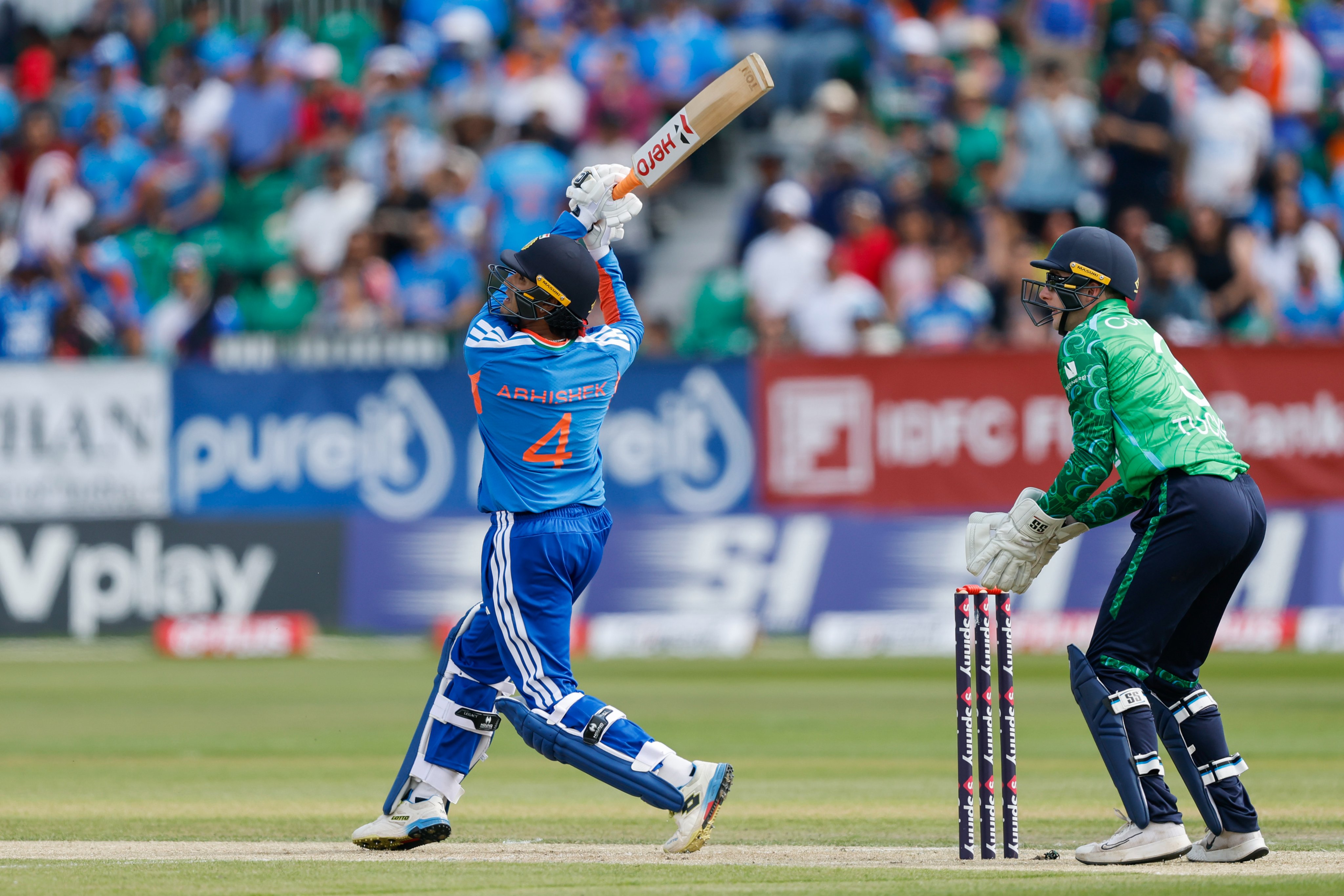
In Protecting Sooryavanshi, India's Flaws Exposed
India chose to persist with this experienced trio, hoping their recent subcontinent exploits would carry over. Instead, the move backfired, illustrating a harsh truth. Abhishek, Samson, and Ishan have looked virtually unstoppable on true, bouncing, or spin-friendly home wickets where they can hit through the line.
The ultra-aggressive, "slam-bang" approach that defines modern IPL batting cannot simply be copied and pasted onto overseas tracks where the ball moves laterally. When the ball started moving in the air and off the deck, India's top order lacked the defensive game that was required to counter the advantage that the bowlers had.
More often than not, the modern Indian batters seem to have adopted the "attack is the best form of defence" approach, especially in white-ball cricket. But this strategy fell flat in Ireland.
READ | Gautam Gambhir Not Spared After Ireland Loss. Slammed By Iceland Cricket, Sanjay Manjrekar
On wickets that offer genuine assistance to pacers, a line-up needs more than just raw power. It demands control, elite technical quality, and the old-fashioned grit required to navigate a difficult spell.
By prioritizing explosive intent over traditional defensive technique, the batting unit looked lost when conditions favoured the bowlers. The obsession with matching the high-tempo powerplay cricket that the team often plays at home, meant that when the ball swung, the batters kept fishing outside off-stump rather than seeing off the tough period.
Ultimately, the decision to bench Sooryavanshi didn't just delay the future, it showed the mirror to the present. If India's premier top-order batters cannot handle the moving ball in Ireland, the management has a much larger problem on its hands than simply managing the workload of a teenage phenomenon.
 India Cricket Team
 Ireland Cricket Team