- NDTV
- WORLD
- PROFIT
- हिंदी
- MOVIES
- CRICKET
- FOOD
- LIFESTYLE
- HEALTH
- TECH
- GAMES
- SHOPPING
- APPS
- RAJASTHAN
- MPCG
- MARATHI
Don't Miss
India's CWG 2026 Medal Tally Lowest In 24 Years, Yet Among The Best
Tactical Self-Destruction: How England Threw Away Their World Cup Final Dream
Bundesliga Blueprint: How Zee Plans To Complete India's Football Jigsaw
Manuel Neuer Doesn't Know Where To Stop: Not On The Pitch, Not In His Career
Advertisement
ENG
- Select Languages
- हिंदी | Hindi
Login
Dark / Light mode
Oct 10,2026 12:22 AM IST
No Government Funding, No RTI: Inside Central Information Commission's Decision To Free BCCI
Settings
-
Change Font Size
A A
-
Change Language
-
Focus on Story
Select Language
- Languages
- हिंदी | Hindi
Dark / Light mode
Search
-
Featured Links
-
Featured Sports
- Cricket
- Football
- Formula 1
- Tennis
- Hockey
- Golf
- Badminton
-
More Sports
- Kabaddi
- Boxing
- Athletics
- Chess
- Swimming
- Shooting
- Wrestling
- Table tennis
- Othersports
-
More from NDTV
Cricket
-
Scores
-
Series
- All Series
- India vs West Indies 2026
- New Zealand vs India, 2026/27
- India vs Sri Lanka 2026/27
- WPL 2027
- ICC Cricket World Cup 2027
-
Fixtures
-
Results
-
News
-
Photos
-
Videos
-
Features
-
Teams
-
More
- Players
- Venues
- ICC Rankings
- Test Championship
arrow-down reddit snapchat twitter facebook comments email printer search bell top-nav reddit-fill snapchat-fill twitter-fill facebook-fill share whatsapp-fill bookmark arrow-rgt arrow-next arrow-up refresh close link cog star book zap cricket football tennis formula-1 badminton hockey golf boxing ndtv-n check left-arrow right-arrow
Live Cricket Matches
- Cricket Matches
- Football Matches
- All Matches
India Matches
IPL 2026
Football Matches
- Cricket Matches
- Football Matches
- All Matches
ISL
EPL
All Matches
- Cricket Matches
- Football Matches
- All Matches
India Matches
EPL
- 3rd T20I, West Indies in India, 5 T20I Series, 2026 at Indore, Oct 11, 2026
notify
notify
India

West Indies
Sun, Oct 11, 2026 - 7:00 PM IST - 4th T20I, West Indies in India, 5 T20I Series, 2026 at Hyderabad, Oct 14, 2026
notify
notify
India
West Indies
Wed, Oct 14, 2026 - 7:00 PM IST - 5th T20I, West Indies in India, 5 T20I Series, 2026 at Bengaluru, Oct 17, 2026
notify
notify
India
West Indies
Sat, Oct 17, 2026 - 7:00 PM IST - 2nd T20I, West Indies in India, 5 T20I Series, 2026 at Ranchi, Oct 9, 2026
India
249/5 (20.0)
West Indies
252/4 (18.3)
West Indies beat India by 6 wickets - 1st T20I, West Indies in India, 5 T20I Series, 2026 at Lucknow, Oct 6, 2026
India
172/2 (14.4)
West Indies
171 (19.1)
India beat West Indies by 8 wickets - 3rd ODI, West Indies in India, 3 ODI Series, 2026 at New Chandigarh, Oct 3, 2026
India
351/7 (50.0)
West Indies
352/5 (48.2)
West Indies beat India by 5 wickets
Sports Home Cricket News No Government Funding No RTI Inside Central Information Commissions Decision To Free BCCI
Related Articles
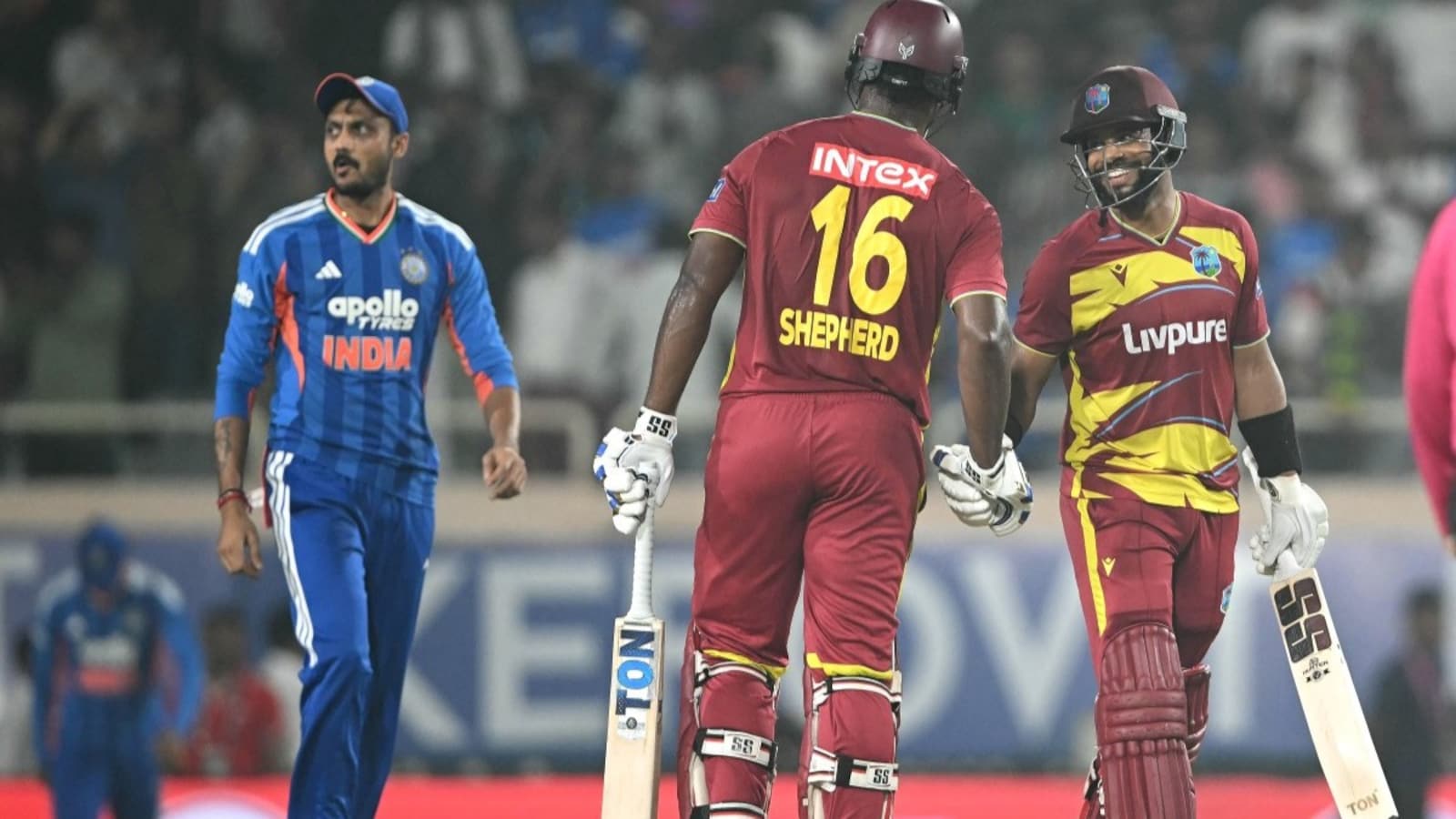
Centurion Shai Hope Leads West Indies' Highest Successful T20I Chase vs India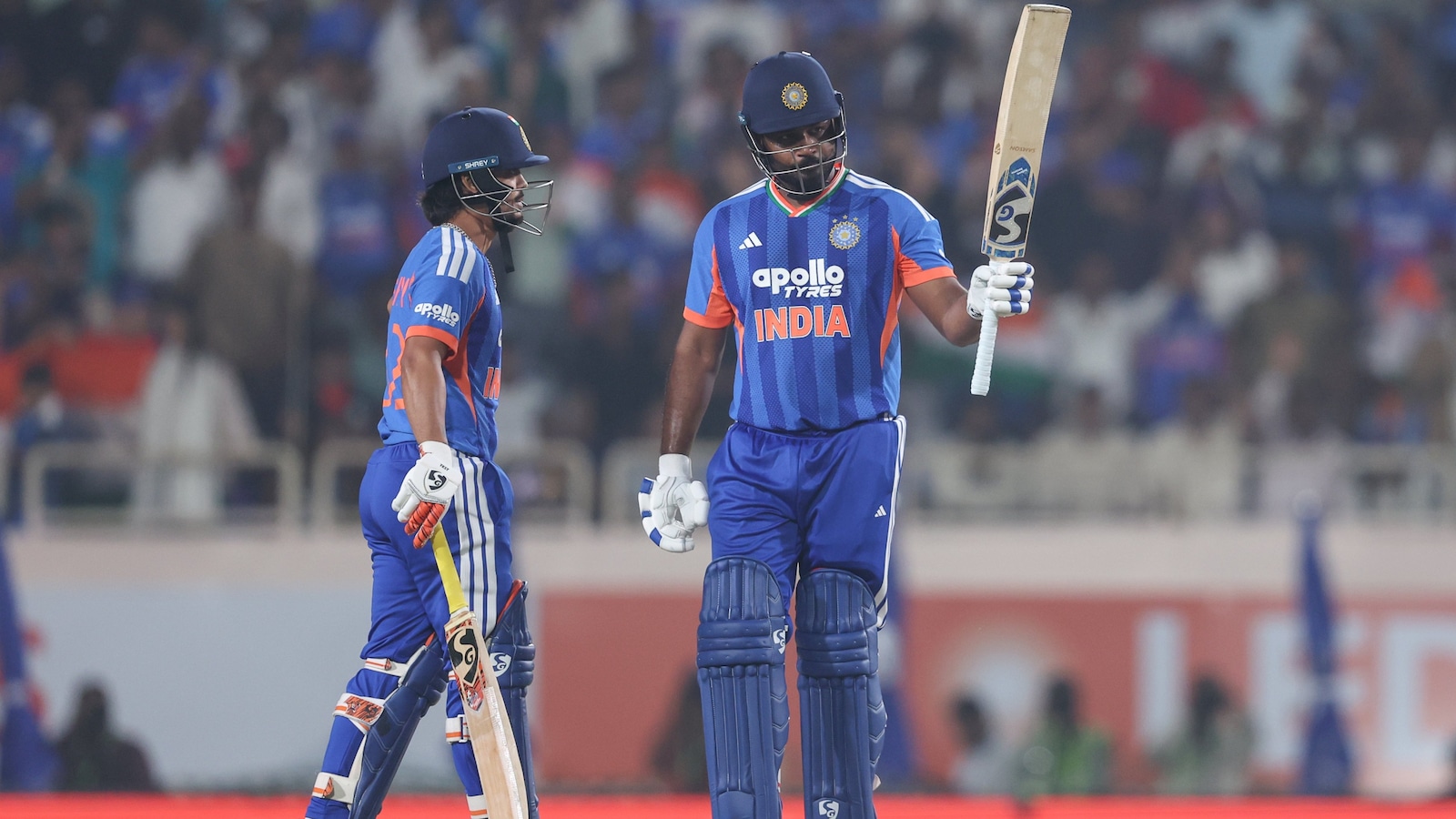
After 4 Failures, Sanju Samson's Brutal Reply - Equals Virat Kohli For Massive Feat Against West Indies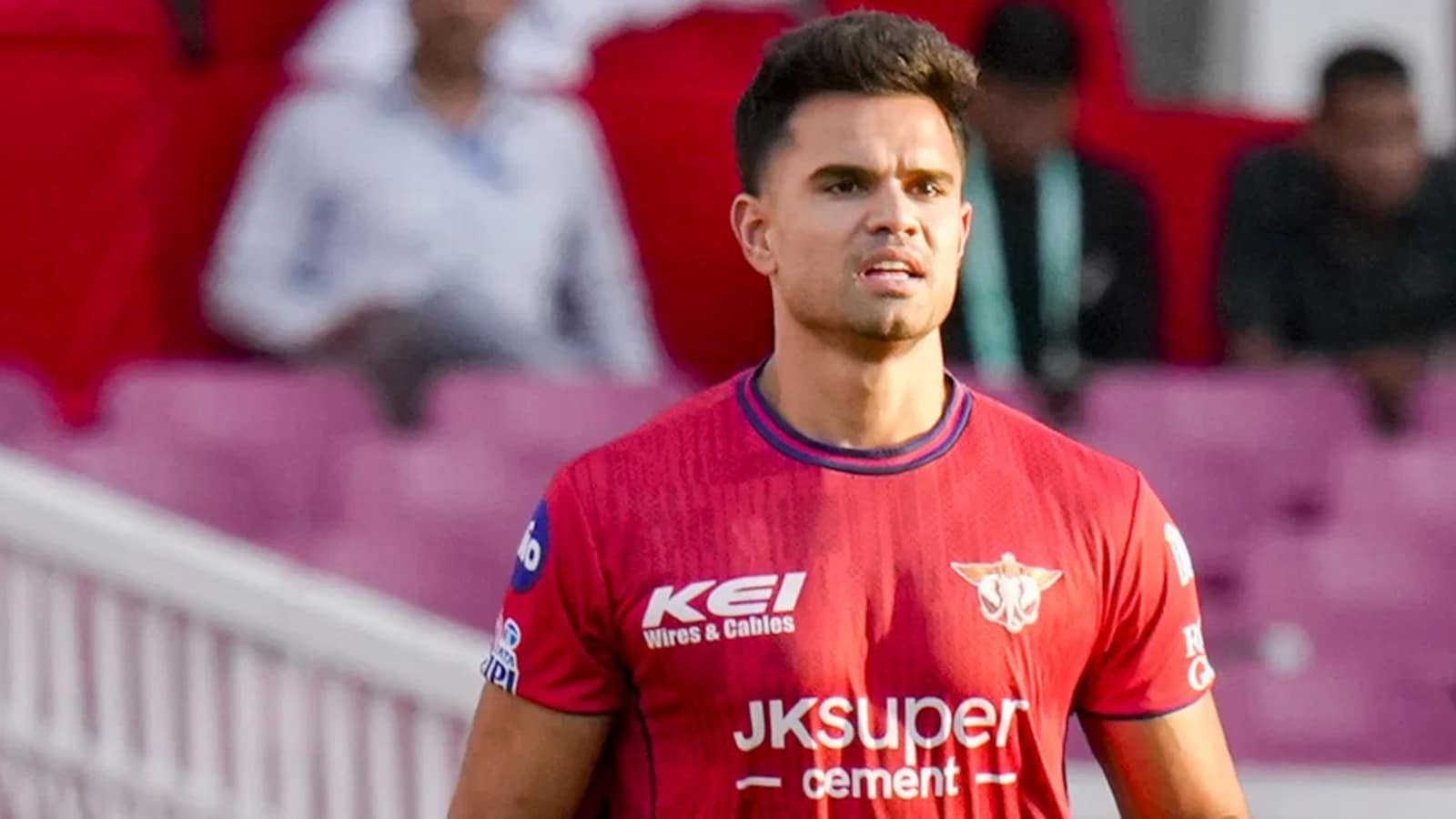
Arjun Tendulkar's Name Missing As Goa Unveil Ranji Trophy Squad
Steve Smith Overtakes Steve Waugh, Enters Australian Cricket's Elite Club
BCCI Calls For Joint Stakeholder Meeting Ahead Of 20th IPL Season
Story ProgressBack to home
No Government Funding, No RTI: Inside Central Information Commission's Decision To Free BCCI
The Central Information Commission ruled that BCCI is not a public authority under the RTI Act, citing its autonomy and financial independence.
- Reported by Akhilesh Sharma
- Updated: May 18, 2026 02:07 pm IST
Read Time: 3 min
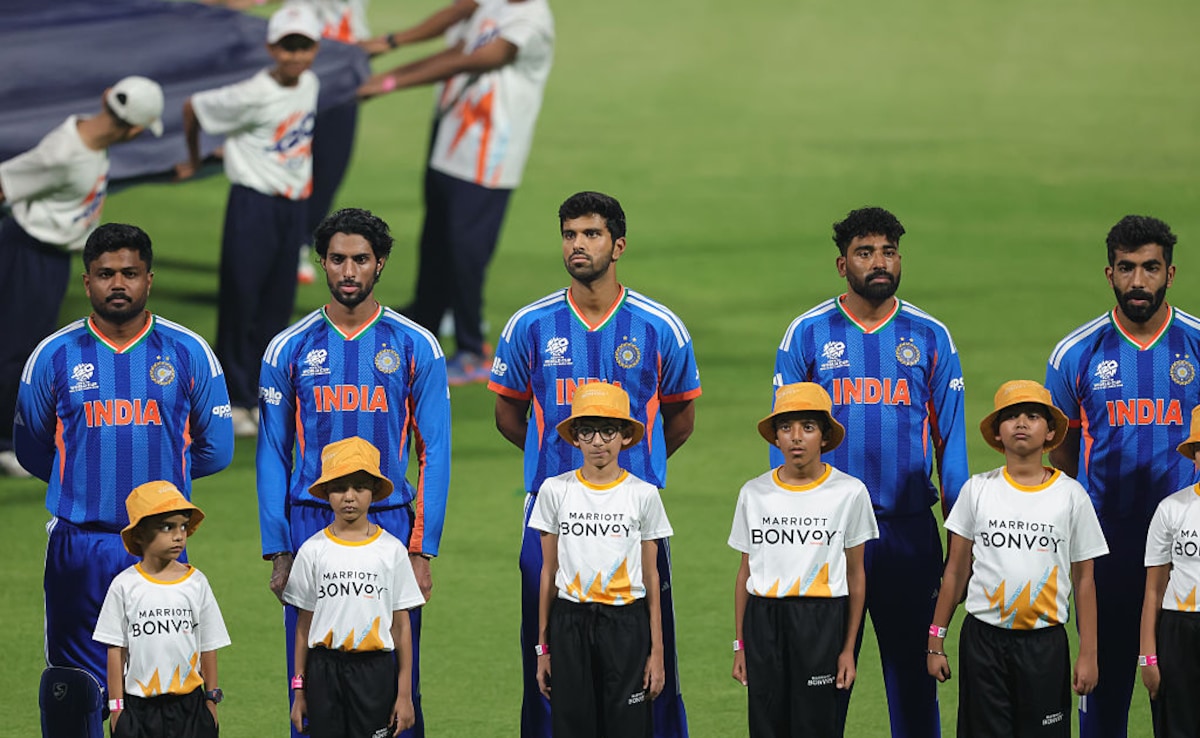
BCCI outside RT ambit© Getty
Show
Quick Read
Summary is AI-generated, newsroom-reviewed
- Central Information Commission ruled that BCCI is not a public authority under RTI Act 2005
- BCCI is a society registered under Tamil Nadu Societies Registration Act, not created by Parliament
- No substantial government control or financing was found over BCCI's administration or functioning
Did our AI summary help?
In a significant legal development for Indian sports administration, the Central Information Commission (CIC) has ruled that the Board of Control for Cricket in India (BCCI) is not a "public authority" under the Right to Information (RTI) Act, 2005. The decision, delivered by Information Commissioner P.R. Ramesh, effectively shields the world's richest cricket body from the mandatory disclosure requirements of the RTI regime. The order brings to a close a long-standing jurisdictional dispute that began in 2018. At that time, then-Information Commissioner M. Sridhar Acharyulu had declared the BCCI a public authority under Section 2(h) of the Act, directing it to appoint Public Information Officers.
The BCCI challenged this in the Madras High Court, which eventually remitted the matter back to the CIC for fresh adjudication in light of Supreme Court precedents. In the fresh ruling, the Commission held that the BCCI fails to satisfy the statutory requirements of Section 2(h). The order noted that the Board is a society registered under the Tamil Nadu Societies Registration Act and was "neither established by or under the Constitution nor created by any law enacted by Parliament".
Why Was Exemption Granted?
The Commission's decision rested on several key pillars regarding the Board's autonomy and financial structure. The factors behind exemption are:
Lack of Government Control: The Commission found "no deep or pervasive control" exercised by the government over the BCCI's administration or internal functioning.
Financial Independence: The ruling emphasized that the BCCI is a self-sustaining entity that generates revenue through media rights, sponsorships, and ticket sales.
Definition of "Funding": Crucially, the CIC ruled that "tax exemptions or statutory concessions" generally available under law do not constitute "substantial financing" by the government as defined by the RTI Act.
The Commission further clarified that while the Supreme Court has previously called for transparency in cricket, notably in the Cricket Association of Bihar case, the top court had stopped short of declaring the BCCI a public authority.
The "Market-Driven" Reality
In a detailed "Obiter Dicta" (passing remarks), the Commission addressed the unique economic position of the BCCI. It noted that the Board has evolved from a colonial-era body into the "financial epicentre of global cricket," driven by the massive commercial value of the Indian market and the success of the Indian Premier League (IPL).
The order cautioned against the "simplistic" assumption that increased government supervision automatically guarantees fairness. Commissioner Ramesh observed:
"To superimpose a model of oversight premised solely on governmental control may fail to account for these realities and could risk unintended consequences, including inefficiencies or disruptions in a finely balanced economic structure".
Implications Explained:
The case reached the CIC after an RTI application was filed with the Ministry of Youth Affairs and Sports. The Ministry had stated it could not provide the requested information as the data was not in its possession, nor could it transfer the request to the BCCI, which remained a private body.
By relying on authoritative Supreme Court judgments such as Thalappalam Service Cooperative Bank Ltd. v. State of Kerala and Zee Telefilms Ltd. v. Union of India, the CIC has reaffirmed the BCCI's status as an autonomous private body.
The ruling suggests that for the BCCI to be brought under the RTI Act, it would require a specific legislative amendment or an executive order, as the current statutory framework does not cover the Board's specific organizational structure. The Commission concluded that fairness in such high-value ecosystems is better achieved through "transparency, accountability, and the careful calibration of regulatory mechanisms" rather than just state control.
Featured Video Of The Day
Spain's Royal Family Welcomes World Cup Champions To Zarzuela Palace
Topics mentioned in this article
BCCI Cricket
Get the Latest Cricket, Asian Games 2026, Football , Hockey, Badminton Scores, F1 Results at NDTV Sports. Like Us On Facebook Or Follow Us On Twitter For More Sports Updates. You Can Also Download The NDTV Cricket App For Android Or iOS.
Advertisement
Listen to the latest songs, only on JioSaavn.com
Advertisement
ICC Rankings
- Test Ranking
- ODI Ranking
- T20 Ranking
- Team
- Batting
- Bowling
- All Rounder
-
rank
Team
rating
-
1

Australia
126
-
2

South Africa
119
-
3

New Zealand
106
-
4

India
105
-
5

England
102
-
View Team Rankings
Last updated on 12 September 2026
-
rank
player
rating
-
1

Harry Brook England
861
-
2

Steve Smith Australia
840
-
3

Joe Root England
816
-
4
Travis Head Australia
811
-
5
Temba Bavuma South Africa
775
-
View All Test Batting Rankings
Last updated on 15 September 2026
-
rank
player
rating
-
1

Mitchell Starc Australia
872
-
2

Matt Henry New Zealand
861
-
3
Ollie Robinson England
856
-
4

Jasprit Bumrah India
853
-
5

Pat Cummins Australia
841
-
View All Test Bowling Rankings
Last updated on 15 September 2026
-
rank
player
rating
-
1

Ravindra Jadeja India
422
-
2
Marco Jansen South Africa
344
-
3

Mehidy Hasan Miraz Bangladesh
314
-
4
Mitchell Starc Australia
276
-
5
Wiaan Mulder South Africa
245
-
View All Test All rounder Rankings
Last updated on 15 September 2026
-
rank
Team
rating
-
1
India
115
-
2
New Zealand
109
-
3
South Africa
104
-
4
Australia
102
-
5

Pakistan
100
-
View Team Rankings
Last updated on 09 October 2026
-
rank
player
rating
-
1
Shubman Gill India
841
-
2
Daryl Mitchell New Zealand
794
-
3

Virat Kohli India
781
-
4

Rohit Sharma India
770
-
5
Ibrahim Zadran Afghanistan
719
-
View All ODI Rankings
Last updated on 06 October 2026
-
rank
player
rating
-
1

Rashid Khan Afghanistan
714
-
2
Abrar Ahmed Pakistan
675
-
3
Keshav Maharaj South Africa
660
-
4

Mitchell Santner New Zealand
644
-
5
Maheesh Theekshana Sri Lanka
622
-
View All ODI Rankings
Last updated on 06 October 2026
-
rank
player
rating
-
1
Azmatullah Omarzai Afghanistan
337
-
2

Sikandar Raza Zimbabwe
276
-
3
Mehidy Hasan Miraz Bangladesh
260
-
4
Michael Bracewell New Zealand
250
-
5
Mitchell Santner New Zealand
247
-
View All ODI Rankings
Last updated on 06 October 2026
-
rank
Team
rating
-
1
England
269
-
2
India
268
-
3
Australia
260
-
4
New Zealand
247
-
5
South Africa
243
-
View Team Rankings
Last updated on 09 October 2026
-
rank
player
rating
-
1
Ishan Kishan India
902
-
2
Abhishek Sharma India
887
-
3
Sahibzada Farhan Pakistan
818
-
4
Harry Brook England
793
-
5

Jos Buttler England
789
-
View All T20 Batting Rankings
Last updated on 06 October 2026
-
rank
player
rating
-
1
Rashid Khan Afghanistan
720
-
2
Abrar Ahmed Pakistan
718
-
3

Adam Zampa Australia
700
-
4

Adil Rashid England
695
-
5
Nathan Ellis Australia
675
-
View All T20 Bowling Rankings
Last updated on 06 October 2026
-
rank
player
rating
-
1
Sikandar Raza Zimbabwe
321
-
2
Saim Ayub Pakistan
293
-
3
Will Jacks England
257
-
4
Dipendra Singh Airee Nepal
255
-
5
Roston Chase West Indies
245
-
View All T20 All rounder Rankings
Last updated on 06 October 2026
Advertisement
Now Trending
Advertisement
Trending Links
Follow us on:
Cricket
- Live Scores
- Series
- Fixtures
- Results
- News
- Photos
- Videos
- Features
- Teams
- Players
- Venues
- ICC Ranking
Football
- ISL 2022-23
- EPL 2022-23
- News
- Features
- Photos
- Fixtures
- Results
- Videos
- Teams
- Players
- Matchcentre
More Sports
Formula 1 Tennis Hockey Badminton Golf Nba Kabaddi Shooting Swimming Table Tennis
This website follows the DNPA Code of Ethics © Copyright NDTV Convergence Limited 2026. All rights reserved.