


Mohsin Naqvi Under Fire As Pakistan's India Match U-Turn Deepens Crisis
After days of chest-thumping solidarity with Bangladesh, the Pakistan Cricket Board folded at the first sign of financial consequences.
- Pakistan Cricket Board reversed its boycott of India in the 2026 T20 World Cup after financial pressure
- PCB chairman Mohsin Naqvi faces criticism for weak reforms and handling of the boycott issue
- Pakistan's credibility in international cricket is damaged, risking future media rights and sponsorship deals
After days of chest-thumping solidarity with Bangladesh, the Pakistan Cricket Board folded at the first sign of financial consequences. Pakistan retreated from a boycott around midnight on Monday. It retreated from its own words. The Pakistan Cricket Board's U-turn on playing India at the 2026 T20 World Cup wasn't a tactical reset-it was a public collapse. The result is a credibility wound that will linger long after February 15. When Bangladesh refused to tour India over security concerns, Pakistan stepped forward as an ally. The PCB hinted it would also reconsider participation if Dhaka's position was ignored.
Bangladesh Cricket Board president Mohammad Aminul Islam praised Pakistan's firmness, calling it brotherly support that had forced India onto the defensive.
For a moment, it looked like a united front. Then the ICC replaced Bangladesh with Scotland.
Pakistan initially held its ground, insisting it would not play the India fixture. But once the ICC raised the prospect of sanctions and revenue loss, resolve evaporated. The protest ended not with negotiations, but with submission.
Bangladesh was left alone. Pakistan moved on.
In international sport, alliances are measured by what you do when pressure arrives-not what you say before it does. Pakistan spoke loudly, then exited early. It tried to appear defiant while ensuring it paid no price. That contradiction is now its defining takeaway from this episode.
Cricket administrators around the world noticed. Boards operate on trust and predictability. Pakistan has just demonstrated it offers neither. Today it's Bangladesh, tomorrow it could be any smaller board that assumes Pakistan's support will hold when stakes rise. The message is clear: solidarity lasts only until money enters the room. And money entered quickly. It entered during Sunday's meeting with ICC in Lahore.
The India-Pakistan T20 clash is one of cricket's most lucrative assets, estimated to generate nearly USD 500 million in combined broadcast and commercial revenue. By threatening to derail it, the PCB transformed its own fixtures into unstable properties. Broadcasters don't price emotion. Sponsors don't reward brinkmanship. They value certainty.
Pakistan has now labelled itself a risk variable. Future media rights involving Pakistan will be negotiated with caution. Global brands will think twice before attaching themselves to a board willing to politicize marquee events. And when the ICC redraws commercial frameworks, Pakistan's leverage will be weaker.
Mohsin Naqvi Facing Scrutiny In Pakistan
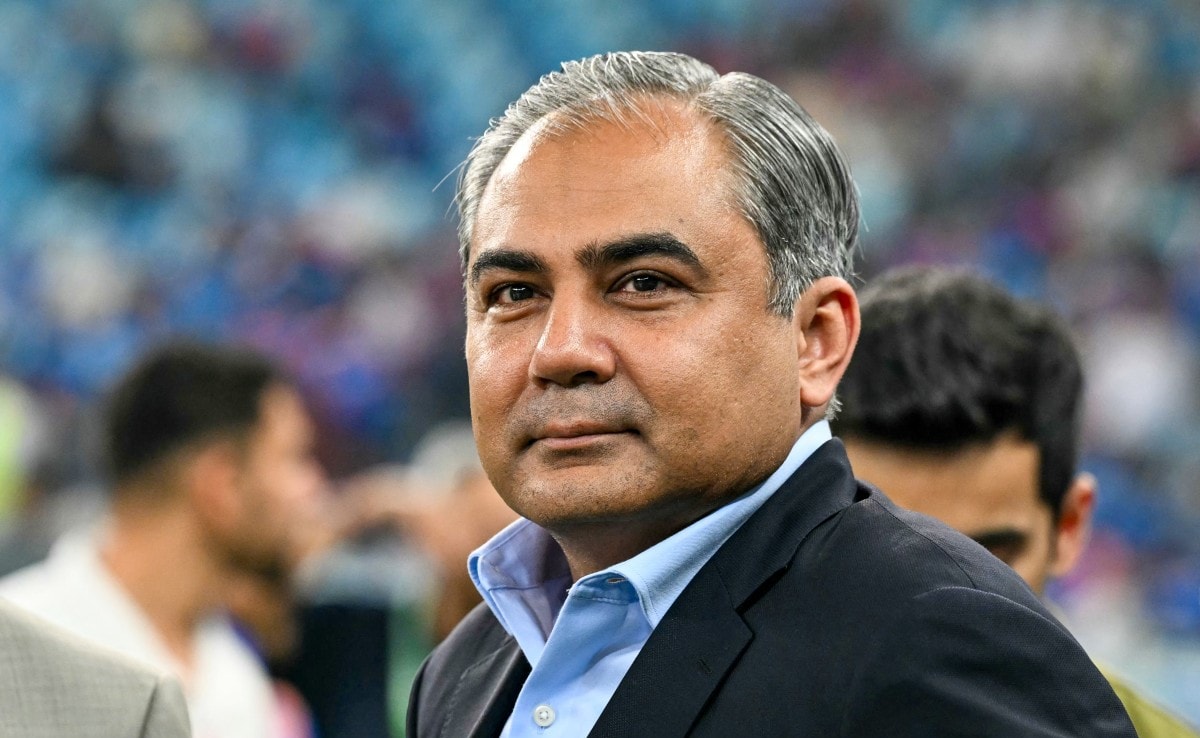
PCB chairman Mohsin Naqvi is under intense pressure as his promise of “major surgery” after Pakistan's 2024 T20 World Cup collapse rings hollow. Former opener Ahmad Shahzad has gone public, accusing Naqvi of lying to fans and failing to deliver meaningful reform after the defeat to India. Despite early rhetoric around bold changes, sources say Naqvi was advised to avoid confrontation with senior players — resulting in what critics call cosmetic reshuffles, while the same power centres continue to dictate selection and strategy.
The heat intensified ahead of the 2026 T20 World Cup after Naqvi endorsed a proposal to boycott Pakistan's match against India in solidarity with Bangladesh. The move triggered a rare united backlash from former stalwarts Mohammad Hafez, Inzamam-ul-Haq and Arif Ali Abbasi, who warned that a boycott would isolate Pakistan within the ICC and inflict lasting financial damage. The PCB's subsequent U-turn — agreeing to play after government intervention — only deepened scrutiny, with Naqvi accused of capitulating to international pressure while attempting to spin the reversal as hospitality toward ICC “guests.”
At home, Naqvi is facing growing political resistance over his dual role as Interior Minister and PCB Chairman, with lawmakers demanding his resignation and questioning his suitability to run cricket's top office. The premature exit of white-ball coach Gary Kirsten — reportedly citing “influential noise” and lack of authority in team selections — has further exposed administrative chaos, reinforcing criticism that under Naqvi, Pakistan cricket is trapped in a cycle of big statements, weak execution, and mounting instability.
Promised Strength, Got Surrender
Fans were promised strength. They got surrender. What makes this episode worse is that it was avoidable. If it genuinely wanted to stand with Bangladesh, it should have stayed the course. Instead, the PCB attempted collapsed under the weight of its own contradictions.
The government later framed the reversal as a move to uphold the "spirit of cricket," citing appeals from Sri Lanka and the UAE both of which weren't sportsmanship, but damage control.
Pakistan will now take the field on February 15. The stadiums will be full. The broadcasts will soar. The revenue will arrive. But reputations don't bounce back on viewership figures.
Cricket's power brokers have learned something important: when consequences appear, Pakistan blinks. It projects defiance, then negotiates from retreat. Loud at the podium, quiet in the room.
In elite sport that is a dangerous strategy. Pakistan arrived on the pitch, but left its credibility at the negotiating table.
 Pakistan Cricket Team
 India Cricket Team
 Bangladesh Cricket Team