



Why Did Mustafizur 'Fizz' Rahman Fizzle Out Of IPL? Controversy Explained
The primary driver for Rahman's release is the deteriorating diplomatic relationship between India and Bangladesh.
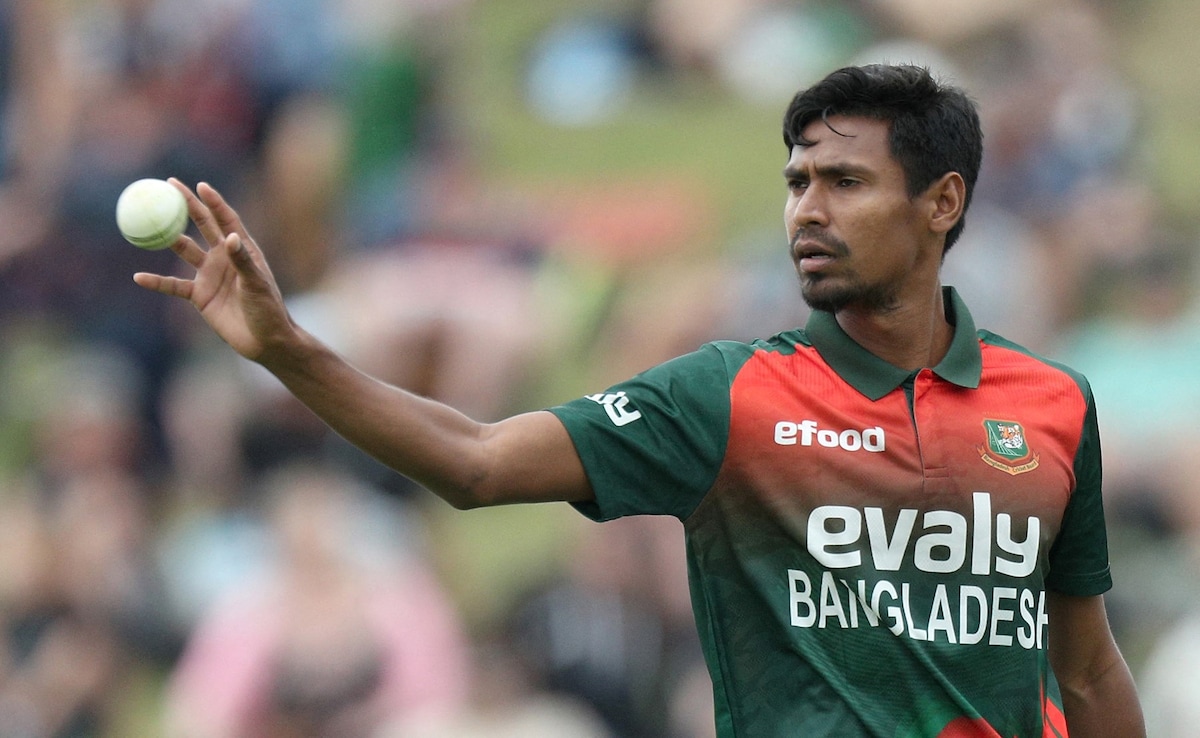
The signing of Bangladeshi pace spearhead Mustafizur Rahman by the Kolkata Knight Riders (KKR) was meant to be a masterstroke of cricketing strategy. Secured for a record-breaking Rs 9.20 crore at the December auction. The pacer became the most expensive Bangladeshi player in the league's history. However, in a significant move highlighting the intersection of sports and geopolitics, the BCCI has formally instructed KKR to release him before the 2026 season begins.
1. Intensifying Geopolitical and Diplomatic Tensions
The primary driver for Rahman's release is the deteriorating diplomatic relationship between India and Bangladesh. BCCI Secretary Devajit Saikia confirmed the directive to KKR was a response to "recent developments all across," a phrase widely understood as a reference to growing civil unrest and political volatility involving the neighboring country. These tensions made the presence of a high-profile Bangladeshi athlete a lightning rod for controversy. This top-down mandate left the franchise with no choice but to comply, regardless of their original cricketing plans.
2. Strained Diplomatic Relations and Civil Unrest
The pacer's exit is inseparable from the deteriorating India-Bangladesh bilateral relations. Sources indicate that severe civil unrest in Bangladesh and escalating diplomatic tensions prompted the Indian board to take a hardline stance. This environment has also put future bilateral cricket series between the two nations in jeopardy, as the BCCI remains non-committal regarding upcoming schedules until the political situation stabilizes.
3. Concerns Over Human Rights and Communal Safety
A central factor in the public outcry was reported violence against Hindu minorities in Bangladesh. Specific incidents fuelled widespread anger in India, including the brutal killing of a garment worker in Mymensingh and the lynching of a Hindu youth in the Rajbari district. Protests broke out across India, with many demanding that sporting engagements be suspended until the humanitarian and political situation improved.
3. Escalating Political and Religious Pressure
The signing quickly spilled into the political arena, particularly because Kolkata serves as KKR's home ground. BJP leader Kaustav Bagchi publicly warned that Bangladeshi players would not be allowed to feature in matches held in the city, stating, "We won't even let Shah Rukh Khan enter Kolkata" if the team proceeded with the inclusion. Religious groups echoed these sentiments, labeling KKR's co-owner a "traitor" and arguing that the financial benefits of the IPL should not be extended to Bangladeshi players while communal tensions persisted.
4. Security Concerns and Public Order
While KKR initially viewed the signing as a purely cricketing move, the BCCI's intervention suggests a prioritization of security and public order. With multiple matches set to be hosted at Eden Gardens, the risk of protests or disruptions at the venue likely influenced the board's "wait and watch" policy to eventually turn into a formal directive to release the player.
Security concerns played a major role in the decision-making process. Political activists and extremist groups in India issued public warnings against allowing Bangladeshi cricketers to feature in matches held in Kolkata. Some groups went as far as threatening to damage the pitches at Eden Gardens in protest of KKR's decision to include Rahman. To ensure the safety of the tournament and its infrastructure, the board chose to remove the source of the friction.
5. Strategic and Financial Complications
Beyond politics, there were looming availability issues that might have complicated Rahman's role. The Bangladesh Cricket Board had already indicated that Rahman would miss 8 to 10 days of the IPL season in mid-April to prioritize a crucial ODI series against New Zealand, which is vital for Bangladesh's 2027 World Cup qualification.
For KKR, the release represents a major tactical setback. The franchise had designated Rahman as their premier death-overs specialist, relying on his "cutters" to exploit the slower pitches at Eden Gardens. While the BCCI has agreed to allow KKR a replacement player, the franchise faces the complex task of finding a bowler of similar class and caliber so close to the season.
 Kolkata Knight Riders
 Bangladesh Cricket Team
 Mustafizur Rahman