




Shubman Gill's T20 World Cup Axe: Classical Proof Of Gautam Gambhir's Stand Against Star Culture
Gambhir prioritises performance and aggressive batting, choosing players like Abhishek Sharma and Ishan Kishan over established stars.
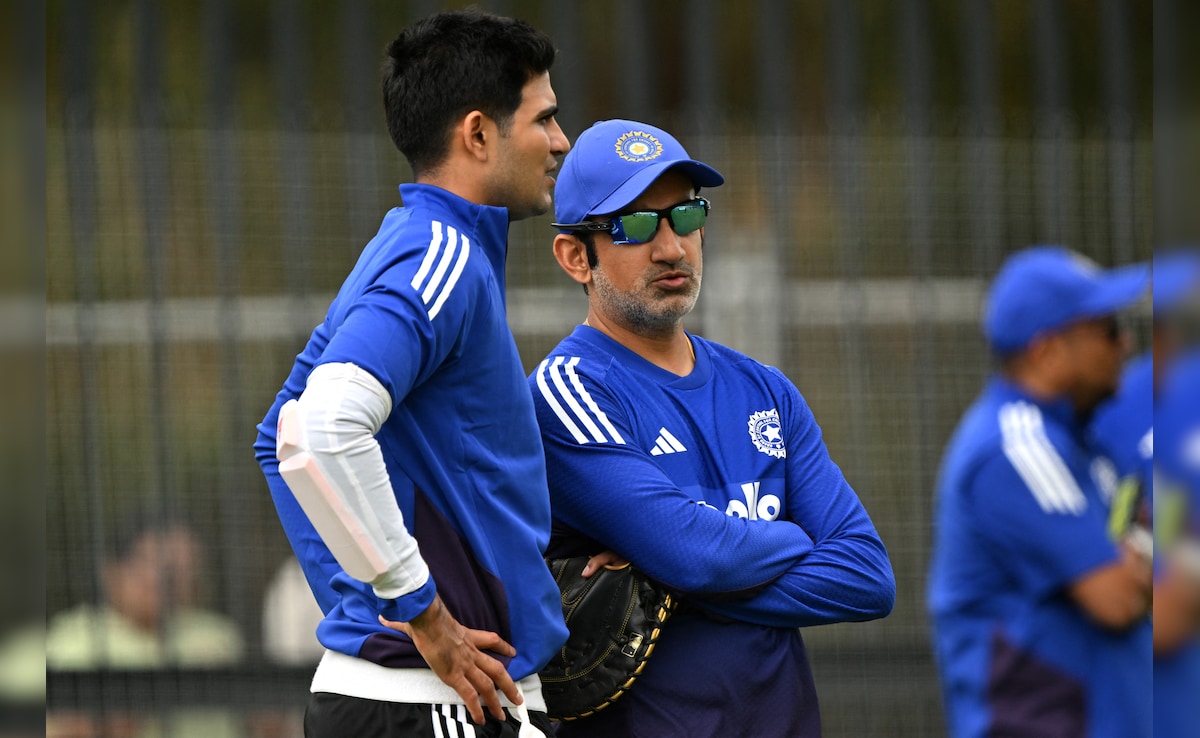
The announcement of India's squad for the T20 World Cup 2026 sent shockwaves through the cricketing fraternity. The most glaring omission is not a veteran nearing retirement, but the man long touted as the "Prince" of Indian cricket: Shubman Gill. While many see this as a radical move, it is, in fact, the most definitive proof yet of Head Coach Gautam Gambhir's unwavering commitment to an "anti-superstar" culture, a philosophy he has been vocal about even before taking up the top job in the Indian team.
For years, Indian cricket has been criticised for its perceived "star culture," where certain players are deemed "un-droppable" regardless of their current form or tactical fit. Gambhir's decision to axe Gill -- a player who already captains the team in Tests, ODIs, and was the vice-captain in the T20 format -- signals the end of that era.
By choosing players like Abhishek Sharma and Ishan Kishan (making a high-profile comeback) over Gill, Gambhir has sent a clear message: Performance over Brand.
With the decision, the management also seems to have sent a clear message to the dressing room: No one is bigger than the team. If a player's strike rate or tactical utility doesn't align with the team's needs, their reputation won't save them.
Gambhir has often been vocal about the need for T20 cricket to move away from "anchor" roles. In the modern T20 game, the premium is on high strike rates from ball one -- a requirement Gill has occasionally struggled to meet during high-pressure chases.
Gill was given the opening role at the sacrifice of Sanju Samson as he only fit at the top of the batting order. But, with his style suiting more of an anchor than a quick run-getter in the powerplay, it was time to 'move on'.
Gambhir prefers "fearless" cricketers over "technically perfect" ones for the shortest format. This preference of his isn't hidden from anyone. The inclusion of Sanju Samson and Rinku Singh as core components of the 2026 squad suggests a shift toward aggressive, intent-heavy batting over traditional cricketing excellence.
Potential Over Performance
The "anti-superstar" stand is also about accountability. Gill's recent dip in T20 international form, combined with questions about his adaptability on slower pitches, made him vulnerable. In previous regimes, he might have been carried on "potential." Under Gambhir, he was judged on "performance."
A team of eleven workers is better than a team of three superstars and eight supporters. By removing the "Prince," Gambhir has cleared the path for a squad that plays for the crest on the front rather than the name on the back.
The decision, however, doesn't come without risks. With Gill out, the team does lose out on experience while skipper Suryakumar Yadav will be without the man he thought would be his deputy in the World Cup next year.
If India still go on to win the title, it will be hailed as the most significant cultural shift in Indian cricket since the 2007 T20 World Cup win. In case of a loss, this decision by Gambhir and selectors is certain to be looked upon, though not in a forgiving manner.
 Gautam Gambhir
 India Cricket Team