



On Virat Kohli's 'Gangster Vibe', Ishant Sharma's Intriguing "2 AM Return" Anecdote
Ishant Sharma, a childhood friend of Virat Kohli, explained the significant change the latter brought to his mindset in order to leave a lasting mark on Indian cricket.
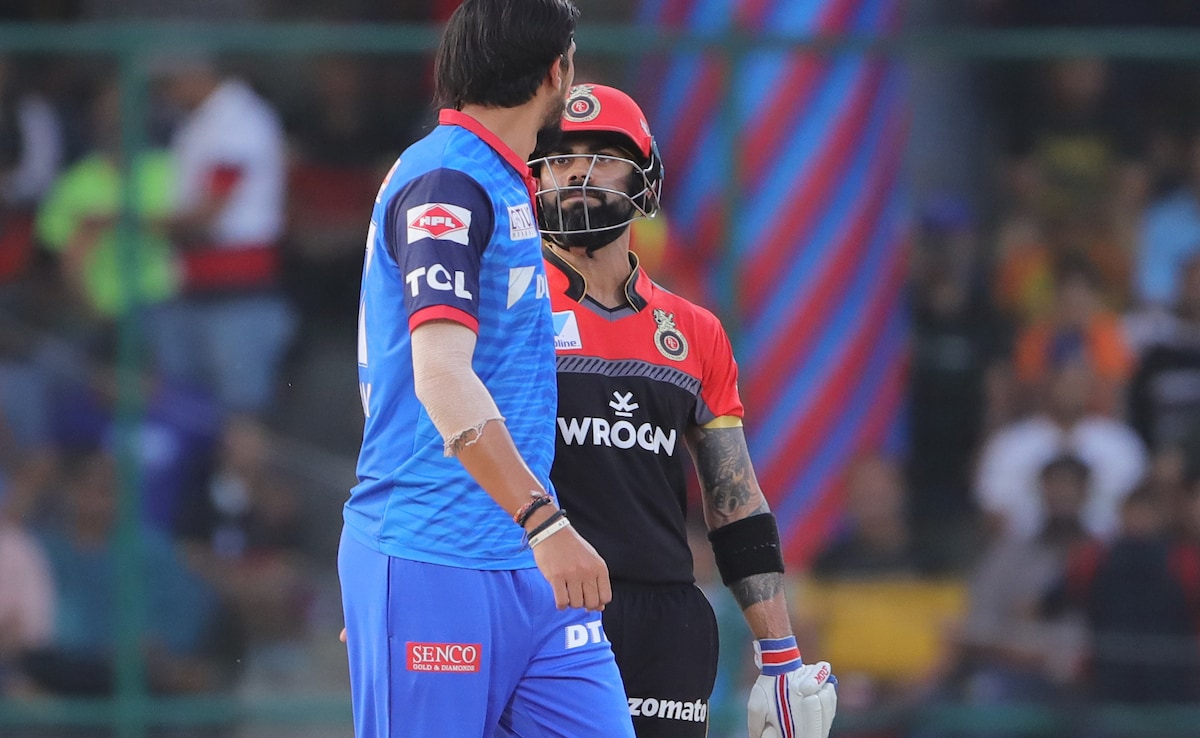
Deservedly given the tag of Indian cricket's 'poster boy' over the last 10-15 years, Virat Kohli went on to become a brand who infected the global cricketing spectrum with his energy. From being a chubby West Delhi boy during his early days in Indian cricket, Kohli became a name that defined a whole era of the game in the country. Whenever Virat stepped onto the field, his aura made everyone feel as if a 'gangster' had arrived. Kohli's childhood friend and former India teammate, Ishant Sharma, opened up on the mindset he carried on the cricket pitch, no matter what was happening in his personal life.
In a chat with Raj Shamani on the latter's podcast, Ishant hailed the attitude Virat carried onto the field, especially after the 2011 World Cup, when he brought a significant change in the way he approached the game.
"When I started playing, everyone was like that (exuding gangster vibe). All of them were legends. Later, there was just one person like that, and that was Virat. His attitude since the beginning was like that. He never got affected by anything when it came to cricket. No matter how big a problem he was going through, he knew he would score runs whenever he stepped onto the pitch. He was always like that. Even if he returned at 2 am or 3 am in the night, he would go on to score a double ton," Ishant explained.
"He understood his body type. He understood if he had to play (for long), he needed to be fit. He said, Brother, if I have to become faster, I need to become fitter. This change came to him after the 2011 World Cup," he added.
Ishant also explained Virat's decision to stay put at RCB, even during times when the franchise was struggling to challenge for the title. For Kohli, the reason to stay and change things at the franchise was bigger than the lure of playing for another team.
"At RCB, when the team wasn't winning many matches, he told himself that someone had to change the system. He took the responsibility upon himself to do that," Ishant explained.
 Virat Kohli
 Ishant Sharma