



New Zealand Batter Henry Nicholls Emphasises Importance Of One Day Cricket Between Global Events
New Zealand batter Henry Nicholls on Tuesday said having a limited amount of one-day cricket between global events makes the series such as the ongoing one against India "more important than ever".
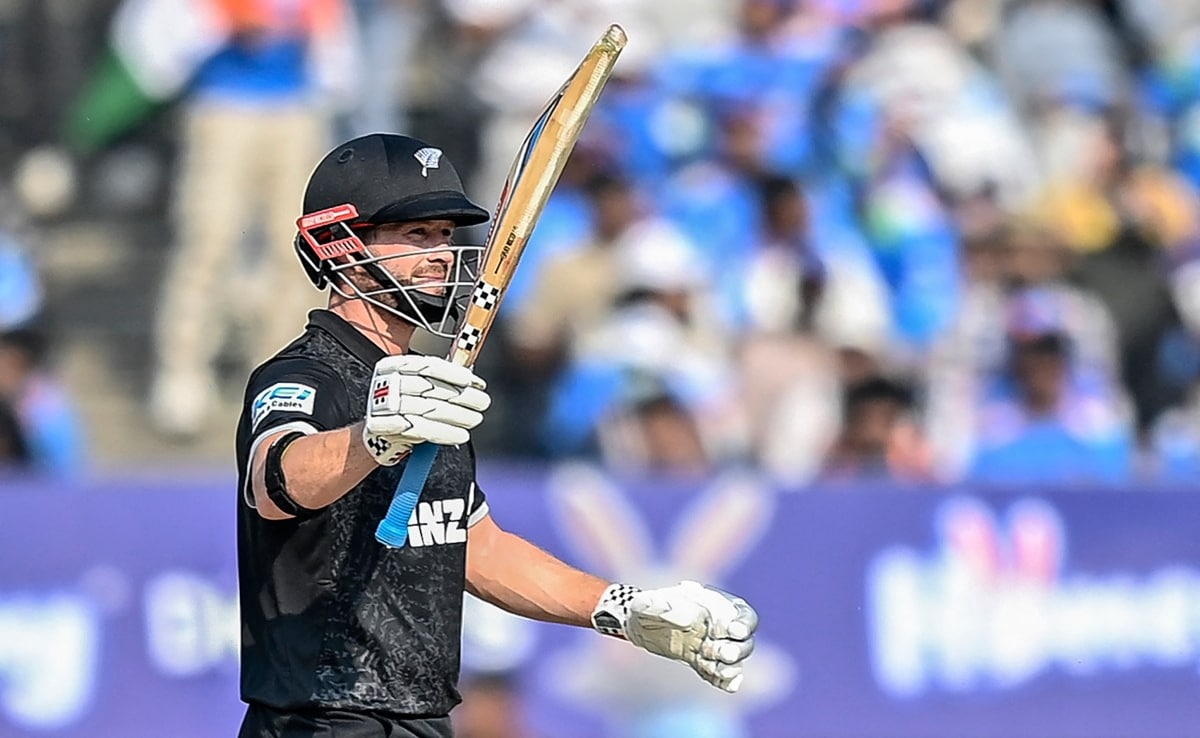
New Zealand batter Henry Nicholls on Tuesday said having a limited amount of one-day cricket between global events makes the series such as the ongoing one against India “more important than ever”. While the next 50-over World Cup being still 22 months away, questions on the relevance of the format and context of the ongoing series have resurfaced as focus primarily remains on next month's T20 World Cup. "Like you say there's not as much one-day cricket between major events, I think that makes these series even more important,” Nicholls told the media ahead of New Zealand's training session here at the Niranjan Shah Stadium.
“A few of us have been playing some List-A cricket back home, so we have got a bit of the format under our belt. But it's a format that we enjoy playing so when you have those series now, they are more important than ever with limited amount,” he added.
Nicholls said New Zealand will have to keep doing the right things for longer durations after they lost the opening ODI by four wickets despite coming close.
“From a batting point of view, we did a lot of things pretty well and it's a case of us being able to do them for a bit longer. Devon and I (had a) partnership at the top, if one of us is able to bat for an extended period of time…" “That's always the case of one-day cricket, if you're able to have wickets in hand, have a set batter in through to the last 15 (or) 10 overs then it certainly extends your death (overs) period.” When asked if there were any learnings from playing against Virat Kohli and Rohit Sharma for the inexperienced players in the New Zealand camp, Nicholls said they certainly were able to build some pressure.
“That's the challenge when you come over here and certainly as a young group -- even as an experienced group -- is when you play against players who have played that much cricket,” he said.
“But also to see it firsthand in the first game and the way the guys adapted, certainly from a bowling point of view, bowling to those guys and finding ways to try and put them under pressure…" “If we are able to do some of those things even as an inexperienced side, then the nature of cricket is (that) if you're able to take wickets, you're able to put teams under pressure,” he added.
Nicholls said having the one-ball rule after the 34th over certainly makes batting tougher.
“We saw at the end of our innings (as well), the ball was quite a lot darker and a lot softer as well which can make it harder to get away,” he said.
“That is why they brought the rule in in terms of choosing one ball to make it a little bit harder around the death stage.
“That's certainly something to keep in mind if you're in a batting team (first) and (if) you're on top, then maybe it won't be as easy at the end to score as much. So maybe take it on a little bit earlier,” he added.
(Except for the headline, this story has not been edited by NDTV staff and is published from a syndicated feed.)
 Henry Nicholls
 New Zealand Cricket Team