



"Is India-Pakistan Cricket Rivalry Dead? Suryakumar Yadav Says So, Numbers Back Him Up
Suryakumar Yadav doesn't want India and Pakistan to be considered as 'rivals' in T20I cricket. Numbers back his theory.
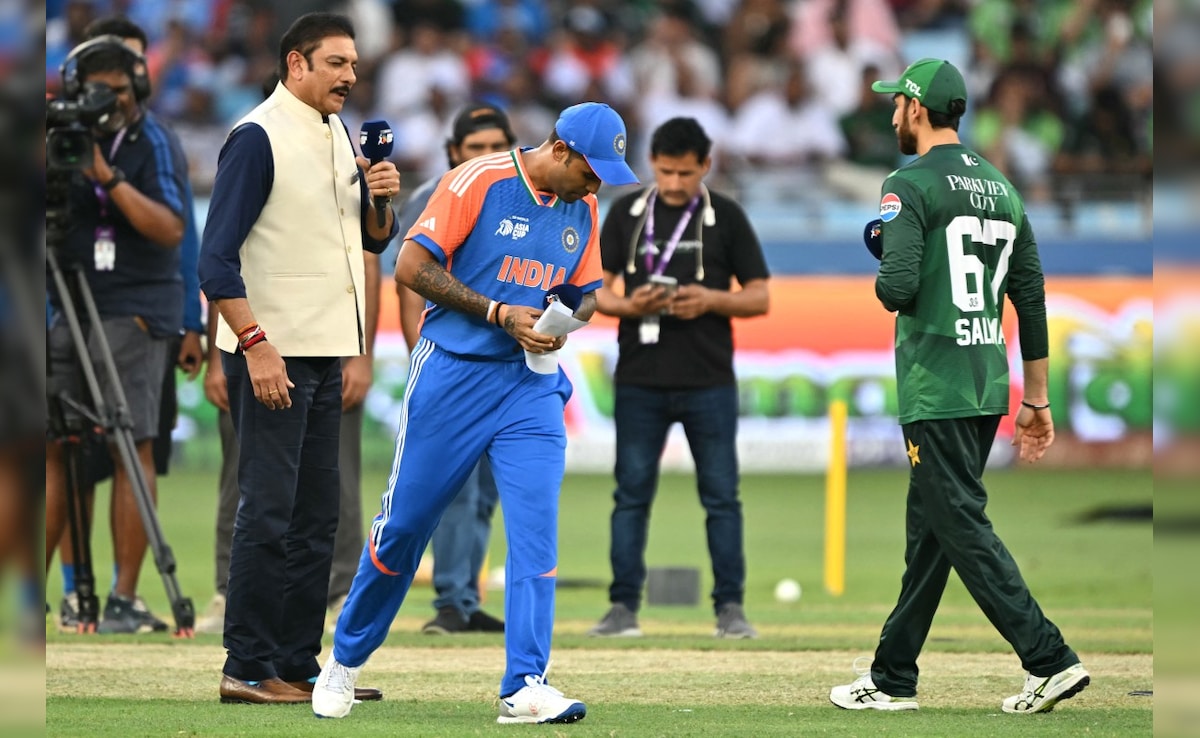
India captain Suryakumar Yadav bluntly told reporters after India's Asia Cup win that "this is not a rivalry anymore," and then pointed to the cold math - a sequence of one-sided results in ICC events and T20s - to make his case. Below we unpack that claim, show the key stats (with charts), and weigh whether anecdotes and rankings really mean the rivalry is finished - or simply that Pakistan are in a rough patch right now.
1) What Surya actually said - and why it matters
Suryakumar Yadav pushed back on the media framing after India's Asia Cup Super Four win, saying the word "rivalry" is misleading given how lopsided recent results have been. He explained rivalry as something that implies fairly balanced contests - e.g., "if two teams play 15-20 matches and there's a 7-all or someone is ahead 8-7, then it's called rivalry." He pointed to sequences such as "13-0, 10-1" as shorthand for the mismatch he was describing and referenced India's dominance in ICC events and recent T20I results.
2) The quick scoreboard: results that fuel his claim
India beat Pakistan in the Asia Cup Super Four (India chased 172, won by six wickets). That win followed an earlier tournament victory as well - reinforcing the one-sided narrative.
Surya and multiple outlets cited head-to-head T20 numbers showing India comfortably ahead in recent matchups (India 11 wins to Pakistan 3 in the recent T20 sample referenced). He also referenced India's near-clean record in ICC events vs Pakistan (India leading 7-1 in some ICC contexts). These are the raw facts behind his "not a rivalry" line.
3) Pakistan's form and rankings - the numbers that show decline
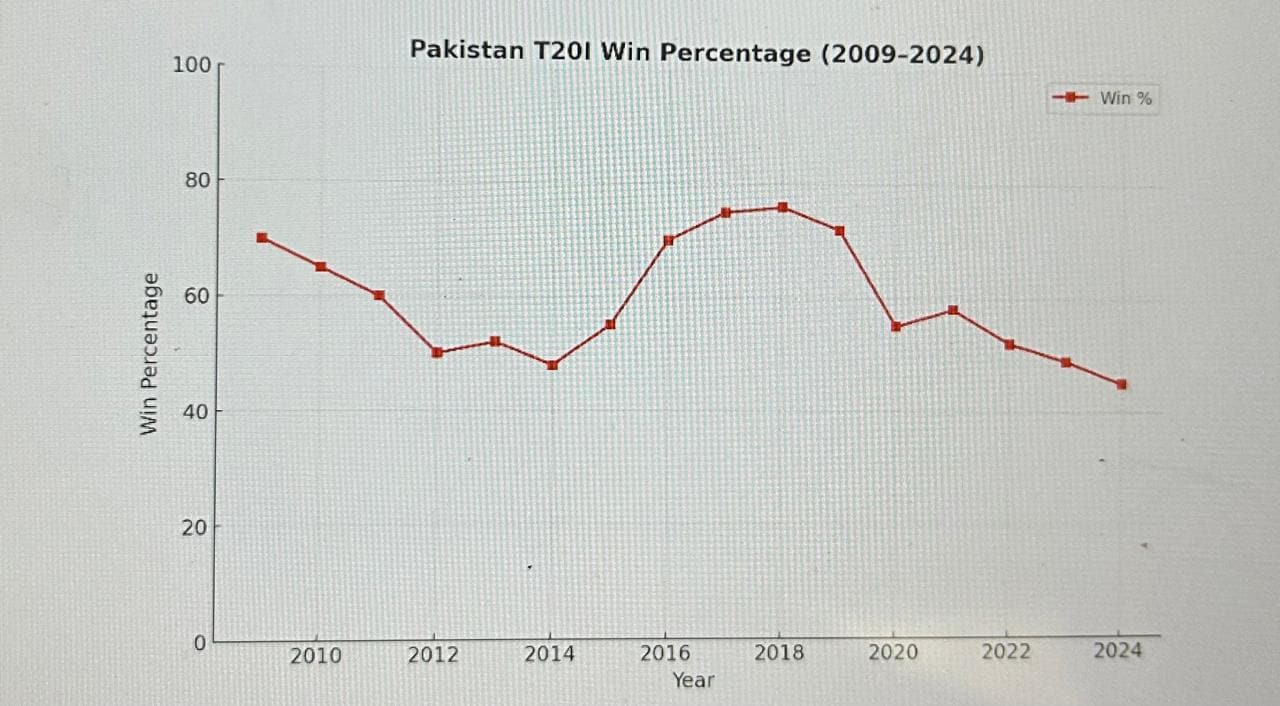
Pakistan's 2025 ODI form has been unusually poor: one analysis called 2025 Pakistan's worst-ever year in ODIs so far, with just 2 wins from 11 ODIs (an 18.18% win rate). That kind of calendar-year collapse is a clear driver of the "decline" narrative.
The team has also slipped in ICC ODI rankings recently - Pakistan dropped a place in the latest ICC ODI table (moving off a top-four spot), a sign that match losses are now affecting official standing too.
Reporting and features over the last 12-18 months have flagged deeper problems - instability, poor results across formats and internal chaos - which help explain why Pakistan struggle to produce the consistent, high-pressure performances that define great rivalries.
4) Context: rivalry is more than a scoreboard - but results matter
A sporting rivalry is built on repeated, meaningful contests that are competitive, dramatic, and culturally charged. India-Pakistan cricket has all of those ingredients historically - political context, packed stadiums, huge viewership. But Surya's point is narrower and on-field: if one side keeps winning convincingly across marquee matches and ICC events, the "competitive" element fades and the fixture risks becoming predictable rather than a back-and-forth rivalry. The recent results and rankings shifts make that predictable narrative easier to argue.
5) Counterpoints - why the rivalry isn't necessarily "dead"
Rivalries breathe and ebb. A period of dominance doesn't erase decades of history, nor the social and emotional weight these fixtures carry across both countries. Even if Pakistan are down, a single big tournament or a comeback series could restore competitive balance quickly.
Format and sample size matter. Surya's remarks mostly referenced T20/ICC contests; Pakistan may still be stronger in other formats or in future cycles once selections, coaching and domestic structures stabilize.
Non-statistical moments still fuel the fixture: controversial incidents, political overtones, and moments on and off the field mean the match will continue to feel huge even when scoreboard margins are wide.
6) What the data says right now?
Short term: Surya Kumar's blunt assessment is supported by recent, one-sided results, Pakistan's troubling 2025 ODI numbers and downgrades in rankings. The facts he cited are real and explain why many see India-Pakistan as currently unbalanced.
 India Cricket Team
 Pakistan Cricket Team