



The Invisible 12th Man: How Dew Could Shape the T20 World Cup 2026
For bowlers and fielders, a dew-soaked evening can feel like survival rather than competition. Sunil Gavaskar has long described the wet white ball as feeling "like a bar of soap" — an image that resonates across dressing rooms.
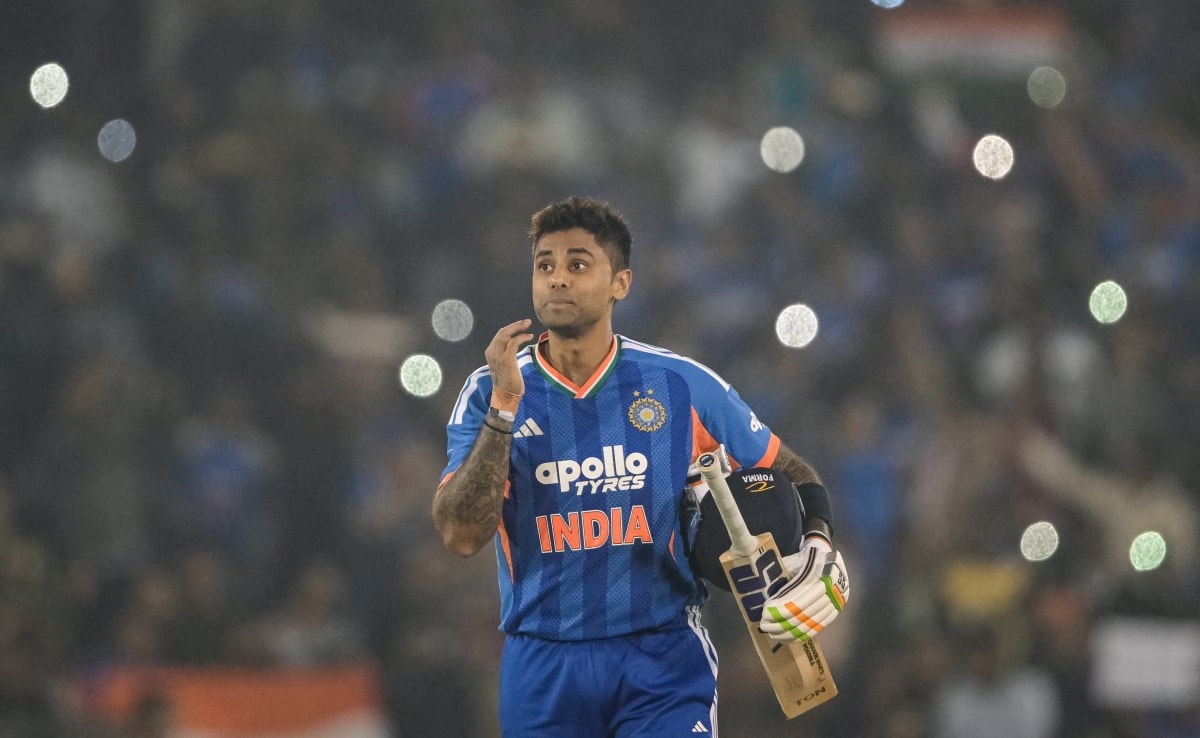
As the T20 World Cup 2026 edges closer, teams are busy fine-tuning combinations, assessing match-ups and planning for conditions across India and Sri Lanka. Yet, one factor — neither named on the team sheet nor reflected in rankings — threatens to loom over the tournament: dew. In the subcontinent, dew is never just a background detail. It alters grip, changes tactics and, on certain nights, decides matches. With host cities including Ahmedabad, Delhi, Kolkata, Chennai, Mumbai, Colombo and Pallekele, the upcoming World Cup is set squarely in territory where evening moisture can turn contests on their head.
What the Calendar Tells Us
Timing matters. February 2026 is expected to bring moderate to heavy dew, particularly across North, East and Central India, as cold nights meet warming daytime temperatures. March should see lighter dew, gradually easing as nights get warmer — though coastal venues and river-adjacent grounds will remain vulnerable.
The implication is clear: most night matches, especially in the first half of the tournament, could be played under sharply contrasting conditions across the two innings.
Why Dew Tips the Balance
Dew forms when surface temperatures fall below the dew point, causing moisture to settle on the grass and ball. In cricketing terms, that moisture changes the game fundamentally. Teams batting second tend to score quicker, while bowlers struggle to maintain control as the ball grows slick.
Former India off-spinner R Ashwin captured the imbalance succinctly: “The difference in quality between the teams isn't coming through — dew is narrowing that gap if you happen to lose the toss.”
Recent T20 data backs the concern. Matches played under heavy dew show a pronounced rise in second-innings scoring rates and a significant jump in win percentages for chasing teams. Skill still matters — but conditions increasingly dictate how that skill is expressed.
A Bowler's Worst Enemy
For bowlers and fielders, a dew-soaked evening can feel like survival rather than competition. Sunil Gavaskar has long described the wet white ball as feeling “like a bar of soap” — an image that resonates across dressing rooms.
Grip disappears. Yorkers slip into full tosses. Slower balls lose deception. Spinners, in particular, are left exposed, unable to impart revolutions or extract turn as the ball skids on. Maintaining a dry side for swing becomes almost impossible, and even routine fielding skills are compromised.
As Harsha Bhogle has noted,
“The next big death bowler will be the best dew bowler.”
It's a reflection of how T20 skills are evolving — not just to beat batters, but to beat conditions.
Why Batters Love It
For the chasing side, dew is a quiet ally. The ball comes onto the bat cleaner, timing improves, and the lack of lateral movement reduces risk. While a wet outfield can occasionally slow the ball, the overall advantage overwhelmingly favours batting second, particularly when targets are modest.
How does dew affect bowlers?
Finger Spinners
- Difficulty Imparting Revolutions: Finger spinners rely heavily on their grip to impart revolutions on the ball, a task that becomes nearly impossible when the surface of the ball and the bowler's hands are moist.
Wrist Spinners
- Considered "Better Bets": Experts suggest that wrist spinners are generally more effective than finger spinners in dewy conditions.
Fast Bowlers
- The primary challenge for fast bowlers is the lost of grip and control. The wet ball becomes as slippery as a bar of soap. Even minor differences in release time can cause a bowler to be wildly off-target
A Structural Challenge
This growing imbalance has reignited an old debate. Is T20 cricket too dependent on the toss? Bhogle has warned that the format must address the “win-the-toss-win-the-match” pattern, while Gavaskar has repeatedly suggested earlier start times to reduce dew's influence.
As the World Cup approaches, solutions remain elusive. What isn't in doubt is dew's impact.
Unseen, uncontrollable and increasingly decisive, the invisible 12th man could yet play the loudest role of all in T20 World Cup 2026.
 India Cricket Team
 New Zealand Cricket Team