



Pakistan Embarrasses Itself With India Boycott At T20 World Cup, Double Standards Exposed
The boycott targets only the India fixture, raising questions about Pakistan's commitment to protest as they continue competing and benefiting financially from the tournament.
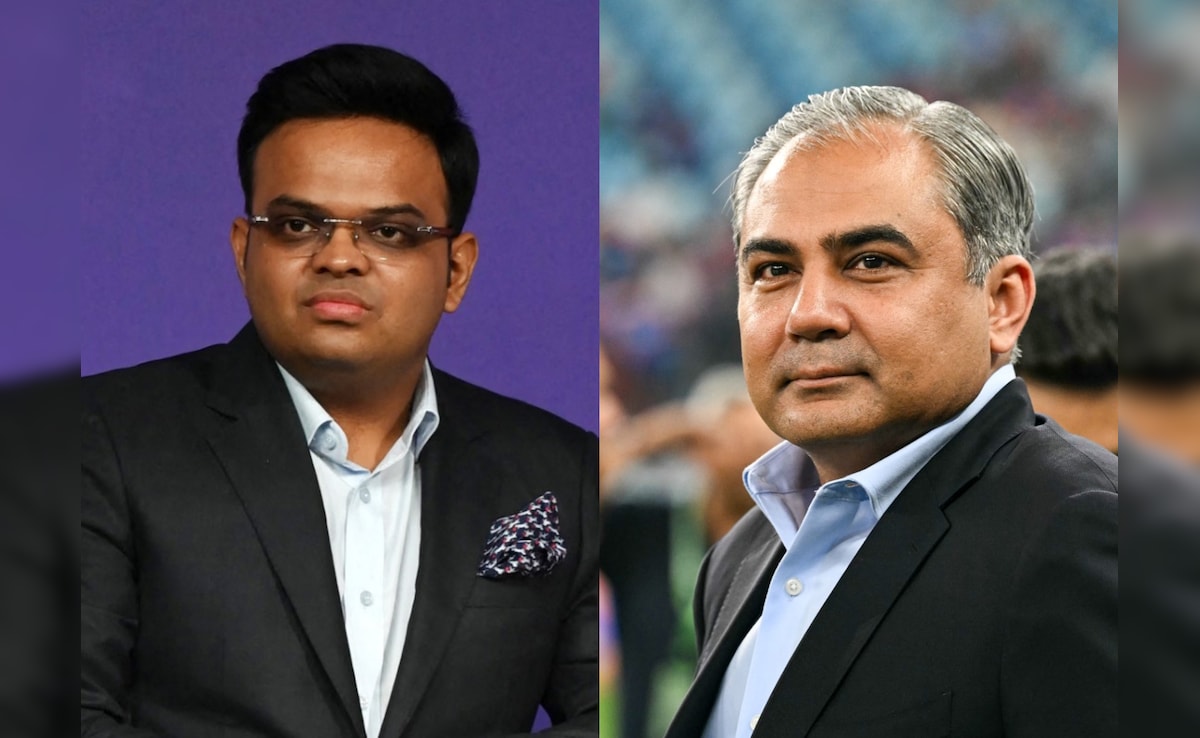
- Pakistan will boycott only their T20 World Cup match against India on 15 February
- The boycott is framed as solidarity with Bangladesh over ICC's venue decisions
- Pakistan's partial boycott is seen as a political move rather than a full principled stand
In a move that has sent shockwaves through the cricketing world, the Pakistan government announced a selective "boycott" of their T20 World Cup fixture against India on 15 February. While the team has been cleared to play every other opponent, this specific protest is being framed as an act of solidarity with Bangladesh-a stance that, upon closer inspection, reveals a glaring set of double standards. The official narrative, reported by Pakistan's media, suggests that Pakistan is protesting the ICC's refusal to relocate Bangladesh's matches from India to Sri Lanka. Pakistan claims the ICC is being "biased," citing previous instances where hybrid models were used for the Champions Trophy and Women's ODI World Cup.
“The Pakistan team has been instructed not to play the February 15 match against India as a protest,” a Geo News report quoted a source as saying. "The principles of justice and equality have been shattered by biased decisions."
However, the logic begins to crumble when one considers that the Pakistan government is only boycotting the India match and not the complete tournament scheduled by the ICC.
If the ICC's "biased decisions" have truly "shattered the principles of justice," why is the Pakistan team still participating in the tournament at all? By playing against other nations, the PCB continues to bank its share of ICC revenue and benefit from the very governing body it is accusing of systemic inequality.
Pakistan has a long history of protesting against India's refusal to travel to Pakistan, yet they have consistently made themselves available for lucrative ICC matches against India because of the massive global viewership and financial stakes involved. Choosing this specific moment to "boycott" appears less like a principled stand for Bangladesh and more like a strategic stunt to earn political brownie points back home.
Instructing a team to skip a single high-profile match while remaining in the competition is a sporting contradiction. A genuine boycott over fundamental "principles of justice" would necessitate a full withdrawal from the event. Instead, this looks like a calculated attempt to disrupt the tournament's most profitable fixture while also avoiding the risk of serious financial sanctions and sporting isolation.
The ICC Response
The ICC swiftly called for a reconsideration, likely aware that a selective boycott sets a dangerous precedent for international sport. If teams are allowed to "pick and choose" opponents based on political solidarity or perceived grievances with the governing body, the integrity of the World Cup structure collapses.
By framing this as a protest against the ICC rather than the BCCI, Pakistan is attempting to seize the moral high ground. However, by staying in the tournament to reap the professional and financial rewards, the "boycott" feels less like a stand for equality and more like a theatrical performance.