



Blog | Let Cricket Win Again
India plays Pakistan, but without handshakes. Symbolic gestures signal distance. Statements emphasise discomfort. And yet, the broadcast continues. The sponsorship deals remain intact. The advertising revenues soar.
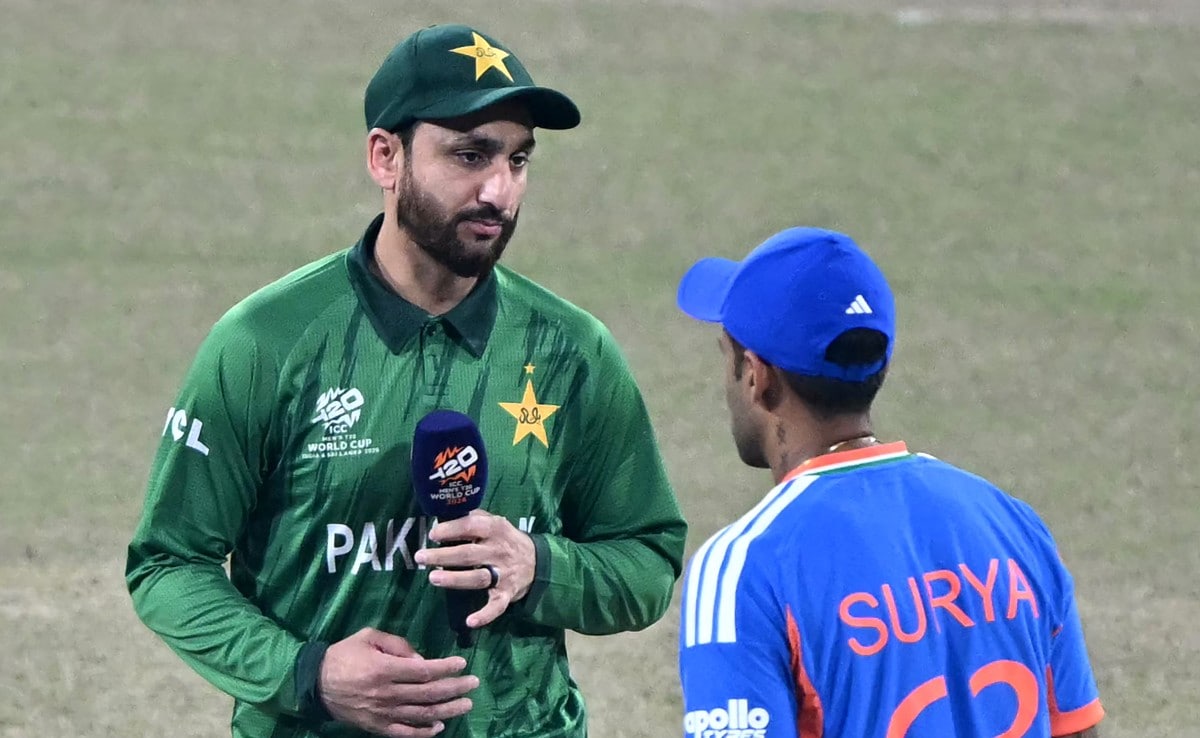
There was a time when India-Pakistan cricket could bring an entire city to a halt. I remember what those days felt like in Kolkata. The streets would empty. Shops would shut early. It felt like a state holiday, unannounced but universally understood. No one moved for the duration of the match. Families gathered around television sets, drawn by something deeper than fandom. Parents and coaches became teachers, explaining the craft unfolding before us.
Why Wasim Akram's wrist position made him lethal. How Imran Khan controlled a game through presence and patience. Why Kapil Dev's outswinger was as much about courage as it was about skill. How Sunil Gavaskar's stillness reflected discipline. What made a young Sachin Tendulkar's composure so extraordinary.
These matches were more than entertainment. They were education. Education in discipline, in behaviour, in composure under pressure. Education in respect, even in rivalry.
Whichever side won, you left the room having learned something.
Those were golden contests.
When Wasim Akram ran in with that impossibly smooth stride, the ball tailing in late with menace and magic. When Imran Khan led with steel in his eyes and quiet authority. When Javed Miandad stood defiant at the crease.
And across from them stood India's own giants.
Sunil Gavaskar, immovable and precise. Kapil Dev, fearless and inspiring. Mohammad Azharuddin, wrists carving artistry through the field. A young Sachin Tendulkar, already carrying the hopes of a nation. Anil Kumble, relentless and cerebral. Javagal Srinath, charging in with pace and pride.
Greatness met greatness. Pride was asserted through performance, not symbolism.
And when it ended, there was acknowledgment. A handshake. A nod. A shared understanding between competitors who had given everything.
Cricket was the winner.
Today, that clarity feels lost.
When Harsha Bhogle says the excitement around India-Pakistan matches is no longer what it once was, it reflects something deeper than nostalgia. It reflects fatigue. The sense that the game is now overshadowed by posturing and political signalling long before the first ball is bowled.
Even before the contest begins, there is drama. Pakistan signals reluctance, questions participation, raises objections, and creates uncertainty around whether it will play India at all. The build-up becomes less about cricket and more about positioning. The spirit of the game is eroded before the players even step onto the field.
And yet, eventually, the match happens.
India plays Pakistan, but without handshakes. Symbolic gestures signal distance. Statements emphasise discomfort. And yet, the broadcast continues. The sponsorship deals remain intact. The advertising revenues soar.
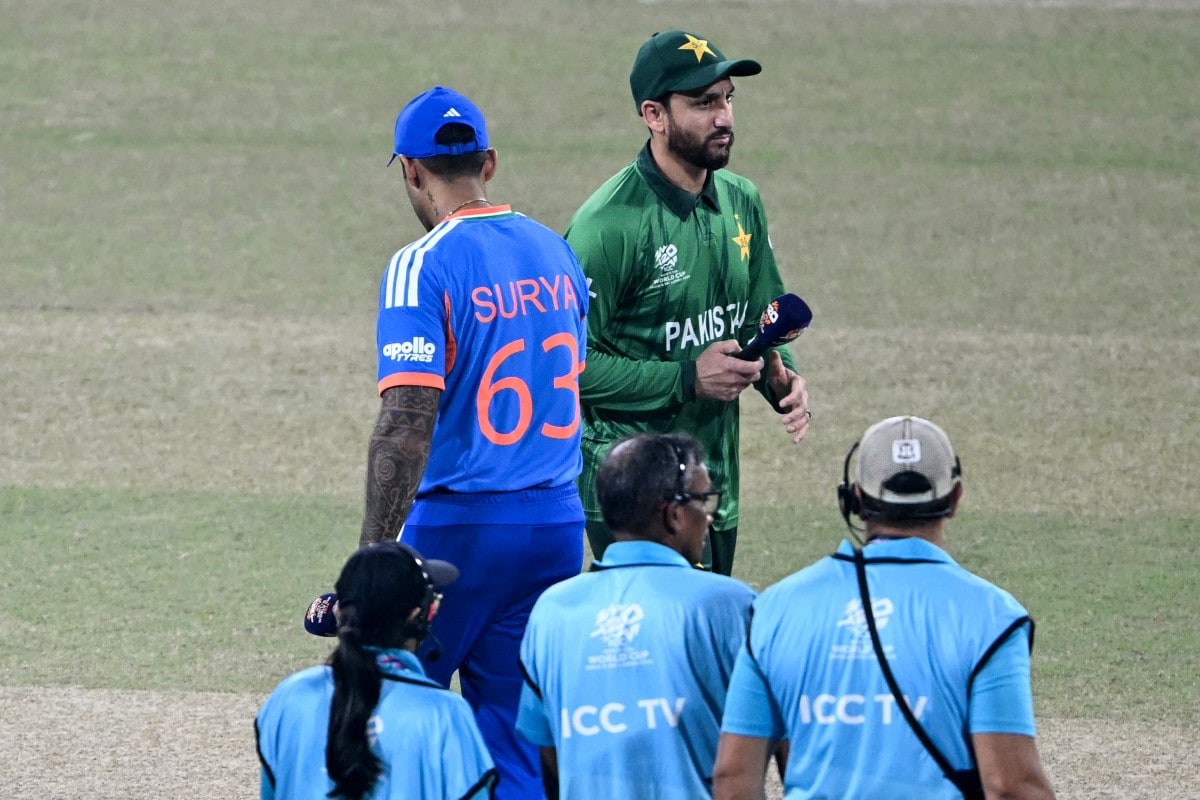
At one point during a recent India-Pakistan clash, more than 45 crore viewers tuned in on a single OTT platform alone. Forty-five crore people stopped what they were doing to watch. Forty-five crore people still believed in the power of this contest.
Which raises a fundamental question. Should cricket be a proxy battleground, or is this simply loud rhetoric layered over commercial reality?
Because the truth is simple. This remains cricket's single most valuable fixture.
So while stakeholders cash in on the spectacle, there is simultaneously an attempt to signal moral distance. They want the revenue, but also the righteousness. They want the spectacle, but also the symbolism.
Which one is it?
If the objective is to make a statement, then there is no more powerful statement than what India delivered on the field, a convincing 61-run victory. That is how rivalries have always spoken their loudest. Through dominance. Through excellence. Through undeniable superiority.
Not through the theatrics of a refused handshake, but through the authority of performance.
Either take a clear, principled stand and impose a blanket ban on playing Pakistan everywhere, in every global competition, without exception. Or play the game the way it is meant to be played, fully and professionally, with the dignity that sport demands.
This halfway position diminishes the game. It creates contradiction. It leaves players navigating symbolism instead of focusing solely on cricket. It leaves fans sensing hesitation instead of authenticity.
And it leaves an impression on those watching most closely, our children.
They are learning not just from the cover drives and yorkers, but from the conduct. Do we really want them to grow up believing that respect is optional? That rivalry must erase civility?
That is not what cricket taught us in those living rooms in Kolkata.
It taught us discipline. It taught us respect. It taught us that you compete fiercely, but you acknowledge greatness.
If India chooses to play Pakistan, then let cricket speak. Play hard. Play to win. Let victory carry the message.
Because in the end, the strongest statement was already made.
India did not need symbolism.
It won by 61 runs.
Let cricket win again.
(The author is Consulting Editor, NDTV)
Disclaimer: These are the personal views of the auhor.
 India Cricket Team
 Pakistan Cricket Team