


Meet Paras Dogra: Jammu And Kashmir's Captain Who Led J&K To 1st Ranji Trophy Title In 67 Years
With over 10,000 first-class runs and 34 centuries, Paras Dogra stands as one of the most significant figures in Jammu and Kashmir's cricketing history.
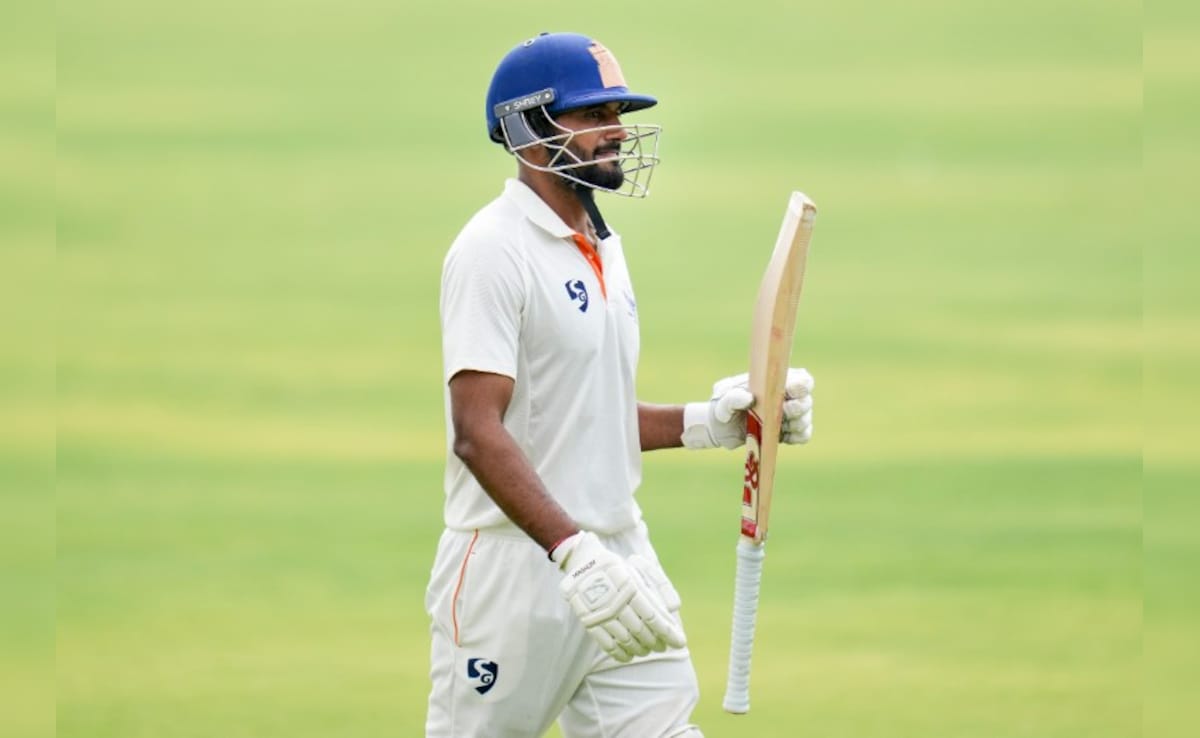
With over 10,000 first-class runs and 34 centuries, Paras Dogra stands as one of the most significant figures in Jammu and Kashmir's cricketing history. Born in Palampur, Himachal Pradesh, Paras Dogra, who played for Himachal Pradesh, transformed into one of the most dependable top-order batsmen in domestic cricket. As the Jammu and Kashmir Cricket Association entrusted him with captaincy responsibilities in the Ranji Trophy, skipper Dogra emphasized fitness, preparation, and mental resilience.
"His leadership is understated but firm. He leads by example, often scoring crucial runs when it matters most. Under him, the team shifted from being occasional giant-killers to a side striving for consistent competitiveness," said a commentator.
Season after season, Dogra piled up heavy scores in the Ranji Trophy, including multiple centuries and double centuries. Those who have watched him closely say that his ability to bat long hours, absorb pressure, and anchor innings made him a pillar of the side in the North Zone circuit.
His standout season came in 2012-13, when he smashed five centuries in eight matches, three in successive innings, a rare display of sustained dominance. That purple patch earned him a call-up to the India A squad in 2013 for unofficial Tests against West Indies A, said a cricket analyst.
Dogra's numbers speak without hype. Across formats, he has been among the most prolific domestic batsmen of his generation.
In first-class cricket, he has played 152 matches and 244 innings, scoring 10,517 runs at an impressive average of 48.02, with a highest score of 253, including 34 centuries and 36 half-centuries, along with 177 catches to his name.
Crossing the 10,000-run mark in first-class cricket places him in elite domestic company. An average touching 50 over such a long span reflects not flashes of brilliance, but sustained excellence.
In List A cricket, he has played 130 matches, scoring 3,751 runs at an average of 39.90, with a highest score of 136*, including 6 centuries and 21 half-centuries. In the 50-over format, Dogra combined patience with calculated aggression, often stabilising innings while keeping the scoreboard moving.
In T20 cricket, he has played 105 matches, scoring 2,324 runs at a strike rate of 115.62, with a highest score of 93*, including 13 half-centuries and smashing 163 fours and 94 sixes. While not known primarily as a T20 dasher, he adapted effectively, offering reliability in the middle order.
In the 2015-16 Ranji season, he registered the sixth and seventh double centuries of his career in successive innings (against Tripura and Services) and finished the season with 703 runs at an average of 78.11, proof that even after a decade at the top level, his hunger remained intact.
In his IPL journey, Dogra represented Rajasthan Royals in 2010, playing nine matches with a highest score of 41, had limited appearances for Kings XI Punjab in 2012, a brief stint with Kolkata Knight Riders in 2013, and was picked by Gujarat Lions at his base price of Rs 10 lakh in 2016, and although he never emerged as a headline IPL star, his stature in domestic cricket remained unquestioned.
After years of consistent performances away from home, Dogra returned to represent Jammu and Kashmir at a crucial phase. The team was in transition, with emerging talent but lacking seasoned leadership.
"His return immediately bolstered the middle order. More importantly, it brought structure, belief, and a professional mindset. Younger players benefited from his discipline and game awareness traits developed over years of high-pressure cricket," said a former coach.
At 41, Paras Dogra's career is a reminder that Indian domestic cricket has its own giants -- players who may not dominate headlines but dominate scorecards.
"His journey reflects persistence, adaptability, and a deep commitment to the game -- qualities that continue to inspire cricketers from the region," he said.
 Jammu and Kashmir