


Glazers At The Gate: RCB Bid Signals IPL's Billion-Dollar Reality
Avram Glazer, co-owner of Manchester United, has entered the race to buy Royal Challengers Bengaluru, tabling a bid in the region of $1.8 billion (Rs 14,940 crore).
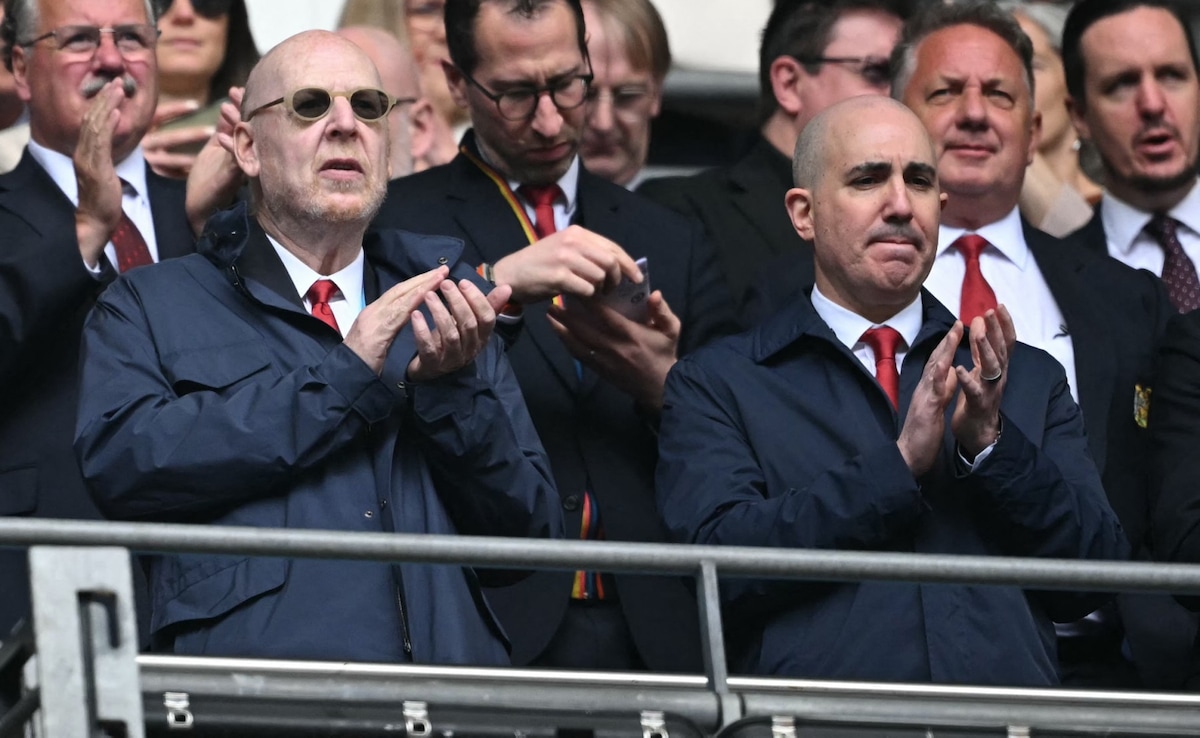
The IPL has entered a different financial orbit. Avram Glazer, co-owner of Manchester United, is in the race to buy Royal Challengers Bengaluru with a bid reportedly around $1.8 billion. Diageo Plc is exploring a stake sale, and the numbers being discussed could touch $2 billion. The world's biggest sports investors are no longer watching the IPL from afar — they are lining up to buy in. What began as a cricket tournament is now a premium global sports asset, commanding valuations that rival top European football clubs and reshaping the economics of franchise sport.
There was a time when IPL team prices shocked the cricket world. Now, they barely raise an eyebrow - they reset the market.
Avram Glazer, co-owner of Manchester United, has entered the race to buy Royal Challengers Bengaluru, tabling a bid in the region of $1.8 billion (Rs 14,940 crore). The franchise's parent company, Diageo Plc, is exploring the sale of a minority or full stake, and is believed to be targeting a valuation that could touch $2 billion.
When the RPSG Group bought Lucknow Super Giants for Rs 7,090 crore ($940 million) in 2021, it felt like a high-water mark. Less than five years later, RCB could command nearly double that. This indicates that IPL has matured into a premium global sports asset.
Glazer is not alone. Private equity giants Blackstone Inc. and Carlyle Group Inc. are also understood to be interested, alongside Indian industrialists. Diageo has declined to comment. Glazer hasn't responded. The shortlist is expected in the next few weeks.
But the bigger story isn't who wins. It's what this chase says about the league.
The Glazer family, owners of the NFL's Tampa Bay Buccaneers, have been circling cricket for years. Avram Glazer bid unsuccessfully for an IPL expansion team in 2021. He later bought the Desert Vipers in the UAE and explored opportunities in England's short-format competition.
For global investors, the league offers scarcity, central revenue sharing, long media deals and a young audience that keeps expanding. In valuation logic, IPL teams are beginning to resemble American sports franchises - finite supply, rising demand, and a commercial ecosystem that extends far beyond matchday.
RCB, notably, have won one title. Yet their brand strength, fan loyalty and commercial pull make them one of the league's most attractive properties. In today's IPL, legacy isn't just about trophies, it's about reach.
If RCB crosses the $2 billion mark, it will redraw the league's financial map. Every future transaction will be measured against it.
Eighteen seasons in, the IPL is no longer simply cricket's most glamorous tournament, it is one of global sport's most valuable tables - and the world's richest owners are pulling up chairs.
 Royal Challengers Bengaluru
 Manchester United