



Bangladesh-ICC Standoff: Timeline Of T20 World Cup Crisis
What began as a dispute over a single player's contract has spiraled into a full-scale boycott, leaving Bangladesh on the verge of being replaced in the 2026 ICC Men's T20 World Cup.
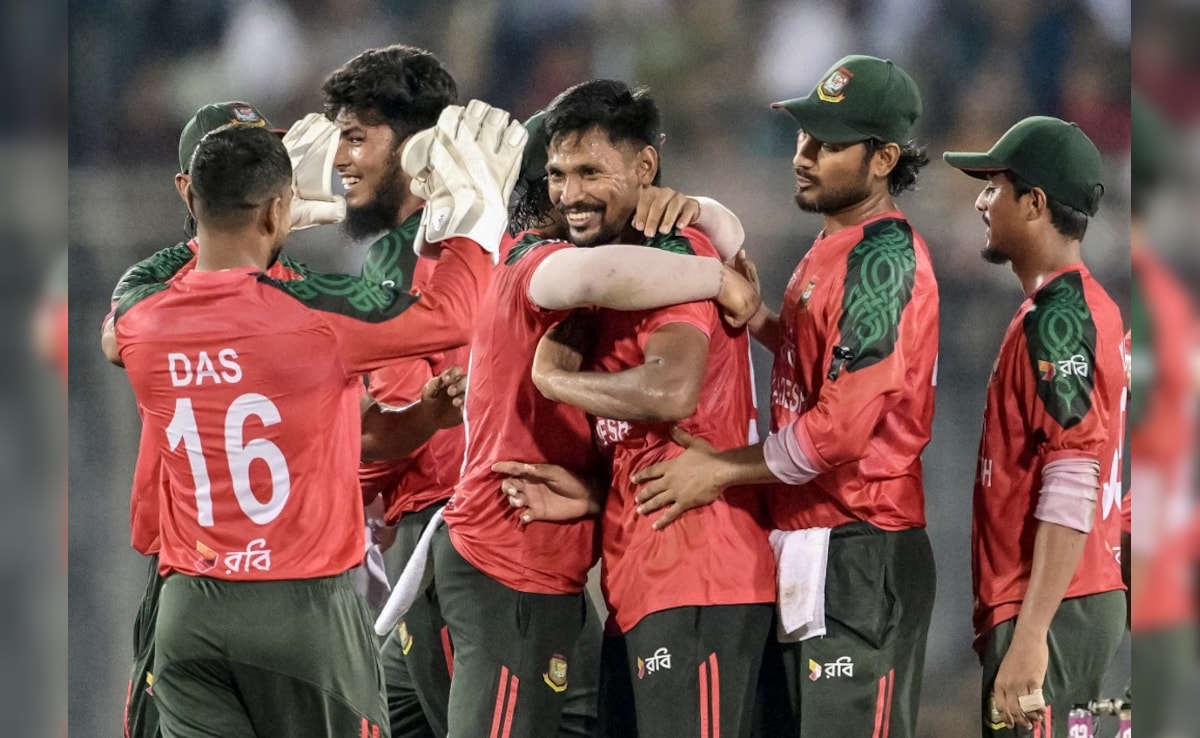
The cricketing world is witnessing an unprecedented collapse of sporting diplomacy. What began as a dispute over a single player's contract has spiraled into a full-scale boycott, leaving Bangladesh on the verge of being replaced in the 2026 ICC Men's T20 World Cup. As the February 7 start date looms, the relationship between the Bangladesh Cricket Board (BCB), the BCCI, and the ICC has reached a point of no return.
January 3, 2026: The controversy ignited when the BCCI reportedly directed the Kolkata Knight Riders to terminate the contract of Bangladeshi pacer Mustafizur Rahman. Mustafizur had been a marquee signing for Rs 9.20 crore, but the BCCI cited "developments all around" as the reason for his release. Coming shortly after the 2024 protests in Dhaka, the BCB viewed this not as a sporting decision, but as a "targeted political insult" by the Indian board.
January 6, 2026: The Bangladesh government escalated the issue into the political arena. Within 72 hours of the Mustafizur snub, the Ministry of Information and Broadcasting announced an indefinite ban on the broadcast of the IPL in Bangladesh. The BCB issued a chilling warning: if a single player like Mustafizur was considered a "security liability" in India, then the entire national team's safety could not be guaranteed for the upcoming World Cup.
January 12, 2026: The BCB formally wrote to the ICC requesting that its Group C matches-originally scheduled for Kolkata and Mumbai-be moved to the tournament's co-host, Sri Lanka. They cited a "hostile environment" and pointed to the fact that thousands of Bangladeshi fans were being denied Indian visas due to new travel restrictions. The BCB argued for a "Hybrid Model," similar to the 2023 Asia Cup, to ensure the tournament's inclusivity.
January 15, 2026: Internal pressure began to mount. A senior BCB official, Nazmul Islam, made deprecatory remarks about the players, questioning if they should "refund the board's money" if they missed the World Cup. This sparked a player strike; two Bangladesh Premier League (BPL) matches were postponed as stars like Litton Das and Mehidy Hasan Miraz refused to take the field. While the official was later sacked, the rift between the board and the players remained.
January 21, 2026: The ICC Board convened via video conference to settle the venue dispute. The result was a crushing defeat for Bangladesh. In a 14-2 vote-with only the PCB supporting Bangladesh-the ICC rejected the request to move matches. The ICC's stance was that independent security reports indicated "no credible threat" to players in India. They issued a 24-hour deadline for the BCB to confirm its travel, stating that failure to comply would result in Bangladesh being replaced by Scotland.
January 22, 2026: A decisive meeting took place at a hotel in Dhaka between the national squad, BCB officials, and Youth and Sports Adviser Asif Nazrul. He emerged from the meeting firm, stating that India's inability to protect even one player (Mustafizur) in a domestic league was proof enough that the national team was at risk. He declared that "national dignity" would not be sacrificed for a tournament. In the evening, the BCB President officially confirmed that Bangladesh will not travel to India. In a final defiant statement, the board accused the ICC of "failing to provide justice" and ignoring the safety of 200 million cricket-crazy fans.