





WADA Flags India As Key Hub In Global Doping Crackdown, Pushes Stronger Laws and Enforcement
The global fight against doping zoomed its focus on India this week as World Anti-Doping Agency (WADA) President Witold Banka visited the capital for a high-level conference and a series of meetings with Indian authorities.
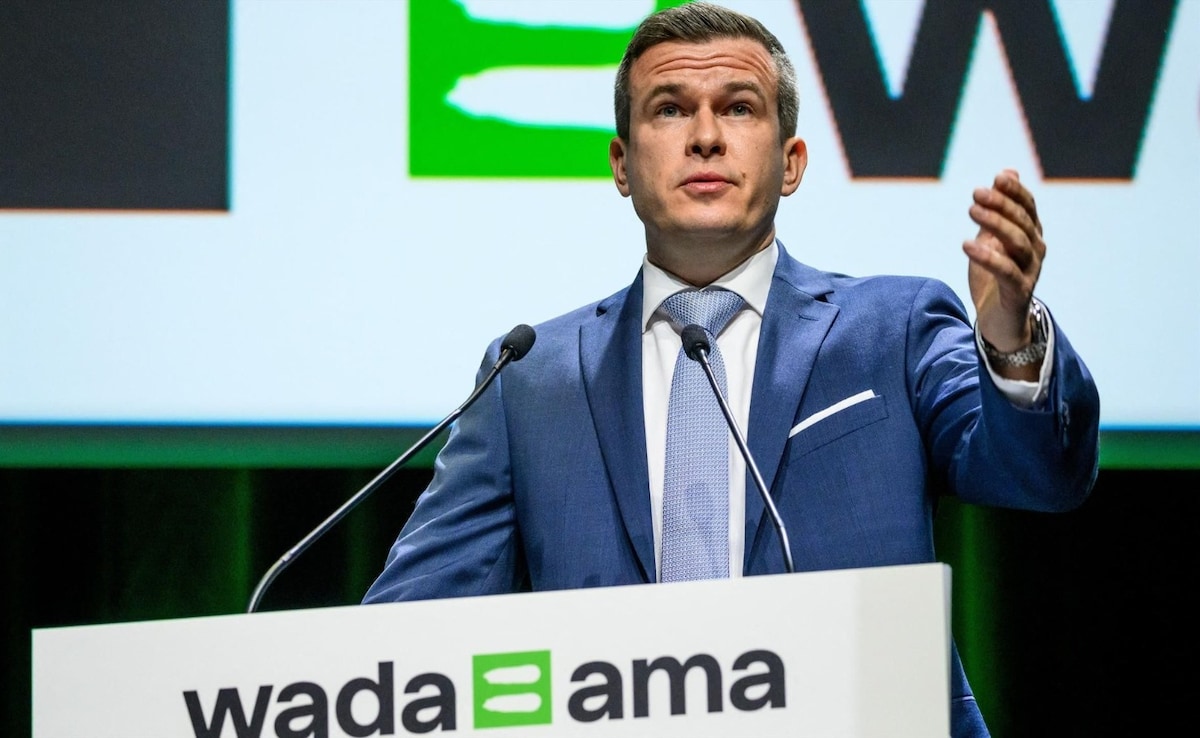
The global fight against doping zoomed its focus on India this week as World Anti-Doping Agency (WADA) President Witold Banka visited the capital for a high-level conference and a series of meetings with Indian authorities. The visit had both concerns and cautious optimism over the country's anti-doping efforts. Banka was in New Delhi for the concluding conference of the expansion phase of WADA's Global Anti-Doping Intelligence and Investigations Network (GAIIN) across Asia and Oceania. The visit comes at a time when India continues to figure prominently in global doping statistics, with recent WADA reports placing the country among the highest for doping violations. A key takeaway from the visit is a strategic shift in anti-doping enforcement. Authorities are moving beyond traditional testing toward intelligence-led investigations, aimed at dismantling the ecosystems that enable doping.
NADA has begun strengthening its intelligence and investigation units, investing in training, and expanding whistleblower mechanisms such as its Speak-Up portal. Officials stressed that future efforts will focus on disrupting supply chains, rather than solely penalizing athletes.
WADA also underlined that coaches, doctors, and support staff-often central to doping networks-will face stricter sanctions under an updated anti-doping code.
"More cases may mean better enforcement"
In a notable remark, Banka suggested that a rise in positive doping cases could indicate a more effective system, as it reflects improved detection and targeted enforcement. Conversely, a sharp decline in cases may signal weak testing or oversight.
WADA has encouraged India to consider stronger legal frameworks, including the potential criminalization of activities such as trafficking and administering banned substances. Officials clarified that such measures would target suppliers and enablers, not athletes.
There are already indications that legislative efforts are underway to bring criminal penalties for those involved in the supply and distribution of doping substances.
In a key development, Banka met Manoj Sashidhar, Special Director of the Central Bureau of Investigation (CBI), to discuss enhanced cooperation in cracking down on doping networks.
Union Sports Minister Mansukh Mandaviya reiterated India's commitment to clean sport following his meeting with Banka, emphasizing stronger anti-doping mechanisms and institutional reforms.
The discussions between WADA, the government, and the National Anti-Doping Agency (NADA) were a shared acknowledgment of the scale of the doping problem and the urgency to address systemic gaps.
Despite persistent concerns, WADA expressed cautious optimism about India's direction. The agency cited strong political backing, increased collaboration with enforcement agencies, and a growing willingness to adopt global best practices.
However, it stressed that India's ambitions to host major international sporting events will depend heavily on its ability to demonstrate robust and credible anti-doping compliance.
WADA made it clear that controlling dope violations and enhancing credibility will be the bedrock for India's sporting ambitions going forward.