



Rs 4,500 Crore Shockwave: How Pakistan Are Threatening Global Cricket Ecosystem
T20 World Cup 2026 Pakistan: In the modern cricket economy, some matches are bigger than trophies. India vs Pakistan in a T20 World Cup isn't just a fixture on a schedule - it's the fixture.
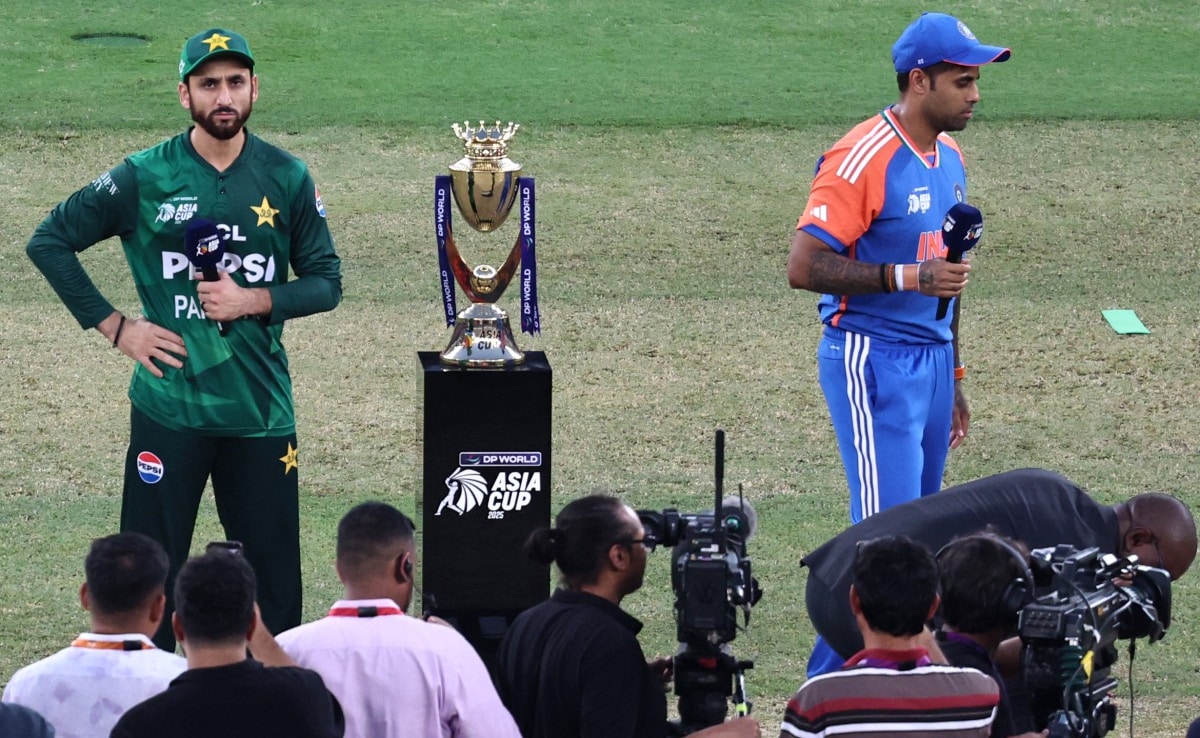
- India-Pakistan T20 World Cup match is valued at USD 500 million (Rs 4500 crore) in total revenue
- Broadcasters lose about Rs 300 crore in advertising revenue if the match is canceled
- Pakistan Cricket Board risks fines, withheld payments, and legal claims for withdrawal
Pakistan Boycott India Match: In the modern cricket economy, some matches are bigger than trophies. India vs Pakistan in a T20 World Cup isn't just a fixture on a schedule - it's the fixture. The one that bankrolls the tournament, props up broadcast valuations, and quietly subsidises cricket boards that will never come close to generating that kind of attention on their own. So when the Pakistan government cleared the team's participation in the World Cup - but not the match against India - the ICC's carefully worded press release landed with the weight of a warning shot. "The ICC hopes that the PCB will consider the significant and long-term implications for cricket in its own country as this is likely to impact the global cricket ecosystem, which it is itself a member and beneficiary of."
Translation, in cricket's blunt financial language: this isn't just about politics - this is about money, and a lot of it.
The $500 Million Game
The India-Pakistan T20 contest is conservatively valued at USD 500 million (Rs 4,500 crore) when broadcast rights, advertising premiums, sponsorship activations, ticketing, and downstream commercial activity like legal betting and all other are taken together.
No other single cricket match comes close.
For broadcasters, it is the crown jewel. Advertising rates for an India-Pakistan T20 routinely command Rs 25-40 lakh for 10 seconds, dwarfing even India knockouts against other top teams. Remove that match, and the entire financial architecture of the tournament shifts.
Who Loses - And How Much?
The Broadcaster
The most immediate hit lands with the rights holder. Advertising revenue alone is estimated at Rs 300 crore for the India-Pakistan game.
Broadcasters pay for certainty. A marquee clash disappearing mid-cycle isn't a scheduling inconvenience - it's a breach of value. JioStar had already formally sought a rebate from the ICC due to financial losses, and this would strengthen their case
Each World Cup match is internally valued at roughly Rs138.7 crore.
Shock Felt By All Stakeholders
Once broadcasters claw money back, the ICC absorbs the shock - and then passes it on.
Lower central revenue means reduced distributions to member boards, not just India and Pakistan. Associates and smaller Full Members, who depend heavily on ICC payouts, feel the squeeze immediately.
India and Pakistan
According to reports, both boards stand to immediately lose around Rs 200 crore each in direct and indirect revenue if the match doesn't happen.
For India, that's painful but manageable.
For Pakistan, it's existential math.
The PCB receives 5.75% of total ICC revenue, roughly USD 34.51 million annually. That pipeline depends on compliance, reliability, and participation. A voluntary withdrawal - crucially - is not covered under force majeure.
That means:
- No insurance protection
- No legal shield
- Full exposure to damages, penalties, and compensation claims
- Breaching the ICC Member Participation Agreement could result in withheld tournament payments, additional fines, and -potential broadcaster litigation, pushing losses into several million dollars beyond the initial hit.
The Long Game: Credibility Costs More Than Cash
The most dangerous damage isn't the one-time penalty - it's the reputational one.
Broadcasters hate uncertainty. A boycott labels Pakistan fixtures as risk assets. That perception alone can:
- Depress future Pakistan-related broadcast valuations
- Lead to discounted rights packages
- Reduce sponsorship interest tied to Pakistan games
- In other words, what looks like a single missed match today can turn into sustained revenue erosion year after year.
And ICC revenue distributions aren't just mathematical - credibility and compliance matter. Boards that are seen as unreliable don't enjoy the same leverage when future commercial structures are negotiated.
And Then There Are the Fans
Lost beneath the balance sheets are thousands of fans who booked flights, hotels, and tickets specifically for this game. For them, the loss isn't abstract - it's immediate, personal, and unrecoverable.
The Final Over
India vs Pakistan isn't just a cricket match anymore. It's the financial engine that keeps global tournaments viable.
Pulling out doesn't merely dent one World Cup. It sends tremors through broadcasters, the ICC, member boards, sponsors, and fans - with Pakistan standing to lose the most in both the short and long term. The bill for skipping this match could haunt the PCB long after the World Cup points table is forgotten.
 India Cricket Team
 Pakistan Cricket Team