

The Expected U-Turn: How ICC Forced Pakistan To Backtrack On India Boycott In T20 World Cup
The Pakistan government had no option but to withdraw its directive, barring the national team from taking the field against India in the T20 World Cup 2026 match on February 15.
- Pakistan reversed its boycott stance for the T20 World Cup 2026 match against India
- Pakistan initially refused to play India on February 15 citing government directives
- ICC warned Pakistan of points forfeiture and financial penalties over the boycott
As was expected, the Pakistan government confirmed its U-turn over the 'boycott India' stance in the T20 World Cup 2026. After barring its team from taking the field against Suryakumar Yadav's men in the February 15 match, Pakistan backtracked on Monday, paving the way for the match to be held in Colombo on the coming Sunday. The decision was announced after a string of high-profile meetings involving the International Cricket Council (ICC), the Pakistan Cricket Board (PCB), the Bangladesh Cricket Board (BCB) and a few other officials.
The U-turn didn't surprise anyone, but rather, put another dent in Pakistan's reputation on the global cricketing circuit. With the saga now over, we take a look at the timeline of events in the 'boycott' row.
January 25 - 30: Following the ICC's refusal to move Bangladesh's group matches out of India despite security concerns, the PCB signalled its displeasure. Chairman Mohsin Naqvi hinted that Pakistan might take "drastic steps" in solidarity with the Bangladesh Cricket Board (BCB).
February 1: The Pakistani government dropped a bombshell, announcing that while the national team will travel for the World Cup, they will not take the field against India. The ICC issued a stern warning regarding points forfeiture and financial penalties, but Islamabad remained unmoved.
February 3: The ICC shifted from threats to dialogue. Deputy Chair Imran Khwaja and Emirates Cricket Board (ECB) chief Mubashir Usmani begin a series of "marathon" calls with Naqvi. Influential boards expressed "deep displeasure" at the potential loss of broadcast revenue.
February 5: Sri Lanka Cricket (SLC) President Shammi Silva entered the fray with a formal letter to the PCB. He warned of a "catastrophic economic fallout" for the host nation if the Colombo fixture is cancelled, reminding Pakistan of how Sri Lanka supported them by touring during Pakistan's period of international isolation.
February 7: Immediately following Pakistan's victory over the Netherlands, it emerged that the PCB has formally petitioned the ICC to invoke the 'Force Majeure' clause. Mohsin Naqvi argued that government directives prevent them from playing India. The ICC rejected the plea, demanding proof that all "mitigation measures" were exhausted.
February 8: Imran Khwaja arrived in Lahore for a crucial five-hour meeting with Naqvi and BCB President Aminul Islam. For the first time, it seemed as if Pakistan was looking for a "face-saving exit" rather than a total withdrawal.
February 9: The Emirates Cricket Board warned that a boycott would financially cripple Associate nations who rely on the ICC's revenue-sharing model. In a surprising twist, the BCB officially urges Pakistan to play the match for the "sake of the cricket ecosystem."
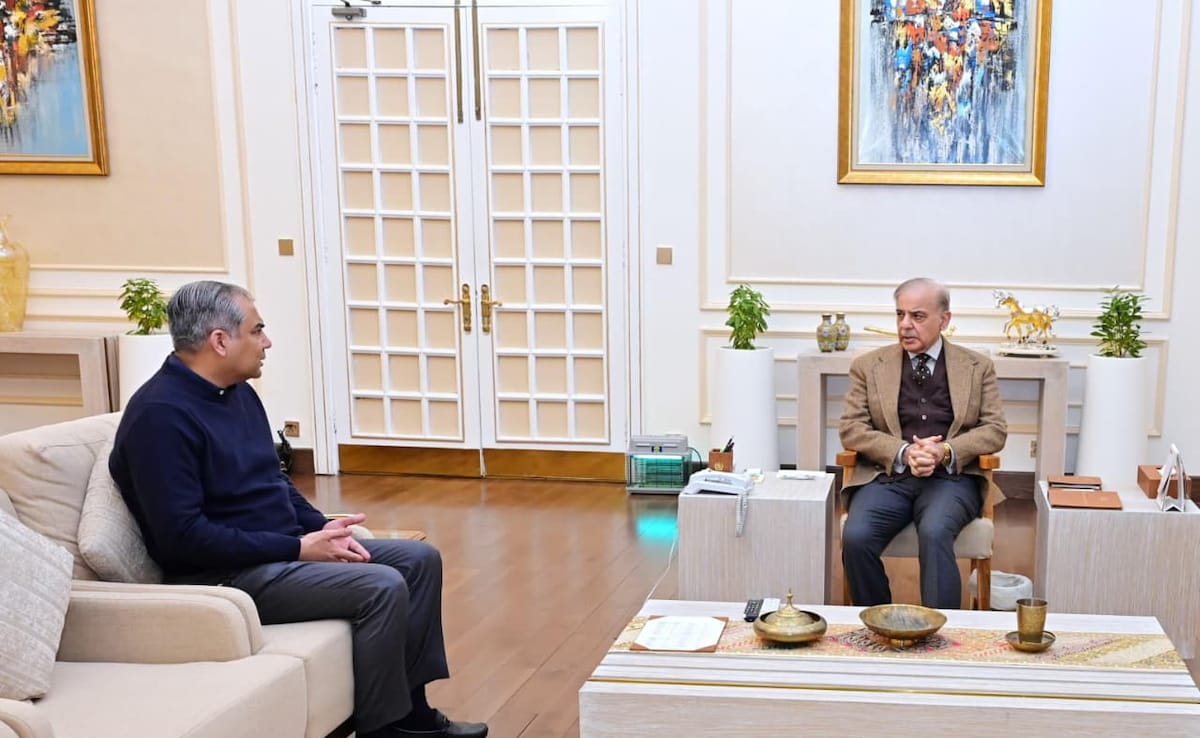
In the evening, Pakistan PM Shehbaz Sharif issued a directive, allowing his nation's team to play on February 15.
Featured Video Of The Day
 Pakistan Cricket Team
 India Cricket Team
Pakistan Cricket Board
International Cricket Council
Bangladesh Cricket Board
Mohsin Naqvi
T20 World Cup 2026
Cricket
India Cricket Team
Pakistan Cricket Board
International Cricket Council
Bangladesh Cricket Board
Mohsin Naqvi
T20 World Cup 2026
Cricket