










Stuttgart Sees Promise In Indian Football At Sudeva, But Challenges Remain
Stuttgart coaches highlight India's large geography, lack of early structured training, and environmental conditions as key hurdles in developing competitive young footballers.
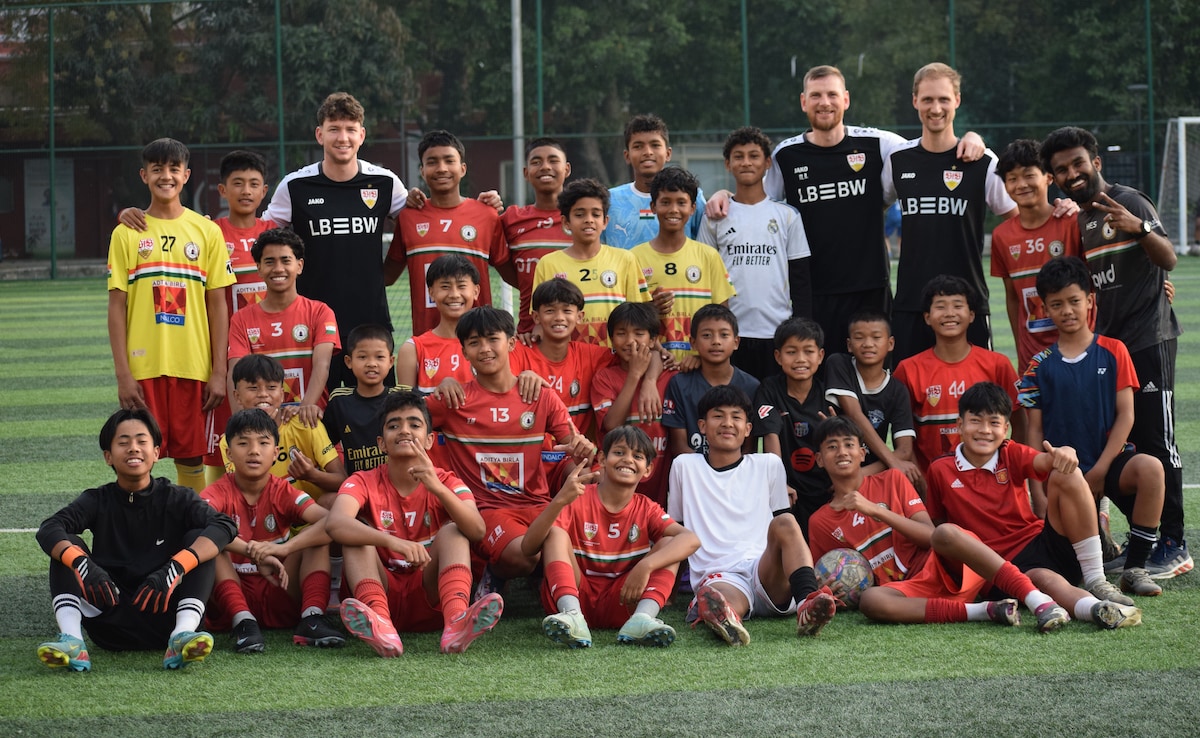
- India's football development faces challenges due to vast geography and lack of unified systems
- VfB Stuttgart partnered with Sudeva Delhi FC to enhance youth football training and coaching
- Indian players often start structured training later than German counterparts, around age 13-14
If a grading system were introduced in the football ecosystem, India would probably receive an F. From the struggles of the Indian Super League -- the country's top division -- to the underwhelming performances of the national team, "work in progress" has been the status quo for decades, with little tangible progress to show. While Indian football continues to search for a clear roadmap to develop what is widely regarded as the country's second-most popular sport, clubs like VfB Stuttgart are attempting to drive change at the grassroots level, sharing their expertise and investing in the very foundation of the game.
It was in late 2024 that Stuttgart partnered with Sudeva Delhi FC, currently competing in the I-League 2nd Division, to strengthen the club's youth development system. A little over a year into the collaboration, Stuttgart's coaches say they have been impressed by the progress on the ground.
Speaking to NDTV at Sudeva Delhi's academy in the national capital, Stuttgart coach Bjorn Peter admitted he was pleasantly surprised by how effectively both the young players and the club's coaches had absorbed and implemented the feedback shared during their visit in April last year.
While the visible improvement has encouraged Stuttgart's staff to continue their efforts, they did not shy away from highlighting the challenges that still remain if India are to become a force in the global football spectrum.
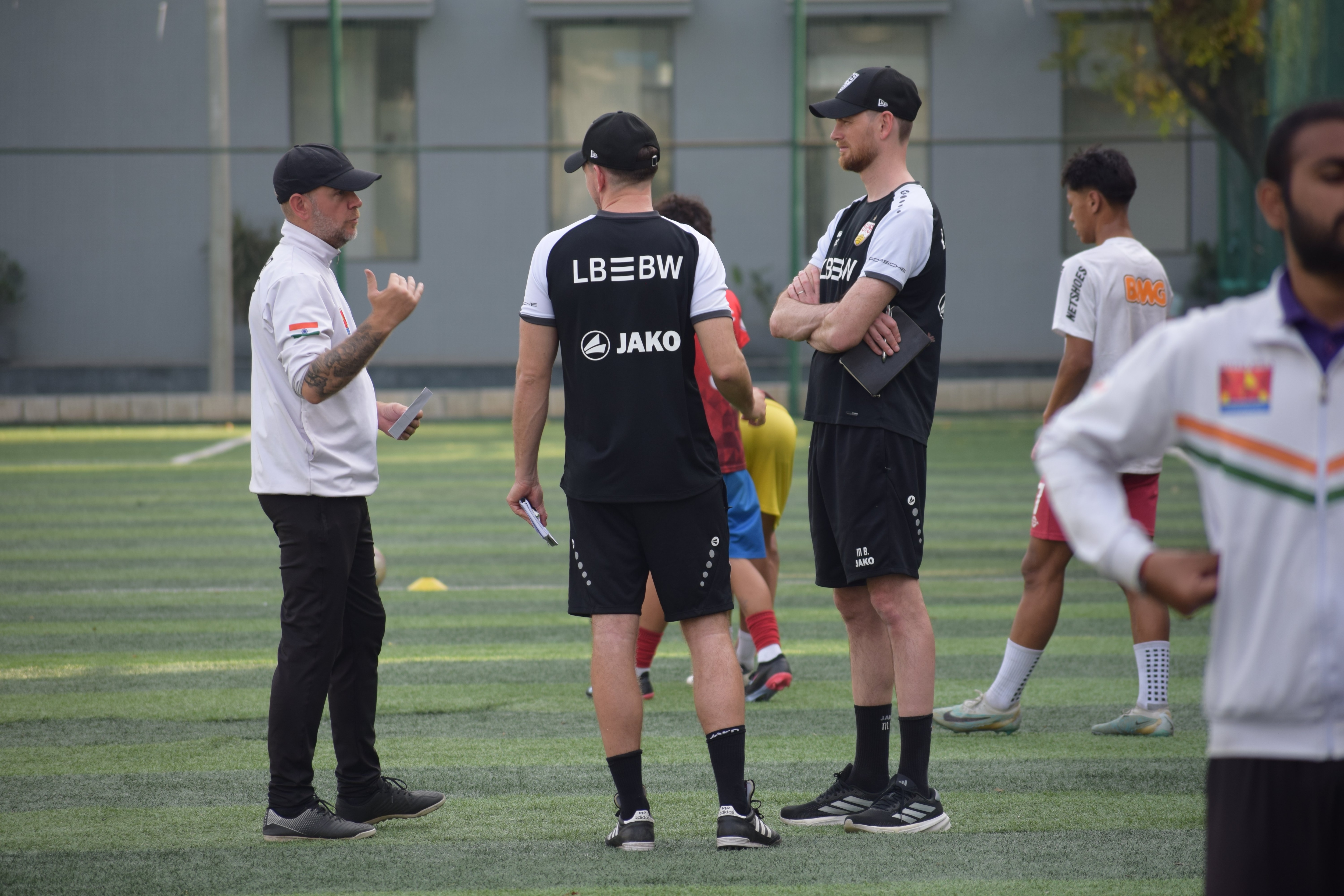
In a detailed conversation with NDTV, the coaches (Bjorn Peter and Marco Brauninger) spoke about this challenge and shared deeper insights into their association with Sudeva Delhi, their first-hand experience of Indian football, and the road ahead for youth development in the country.
Q: What is the core objective of Stuttgart's partnership with Sudeva Delhi?
A: For us, the partnership is not just about teaching kids a certain style of football or offering new perspectives on how to interpret the game. It's equally important to work closely with the local coaches. We stay in constant communication-even during training sessions-to explain what we're doing and why. The idea is to help them understand both the structure of sessions and the intent behind them, so the learning continues even when we're not here.
Q: After about a year and a half of this association, what key challenges have you identified in developing young players in India?
A: One major challenge is the sheer size of India. In Europe, strong clubs are located close to each other, so young players face high-quality competition almost every week. Here, teams are spread out, and getting that level of competition often requires extensive travel.
Another challenge is structural. Indian football is still evolving and influenced by multiple systems. While that diversity is good, it also makes it difficult to create a clear, unified development pathway. That said, Sudeva has taken a strong step by introducing a technical director and building a defined philosophy, especially with their focus on promoting academy players into the first team.
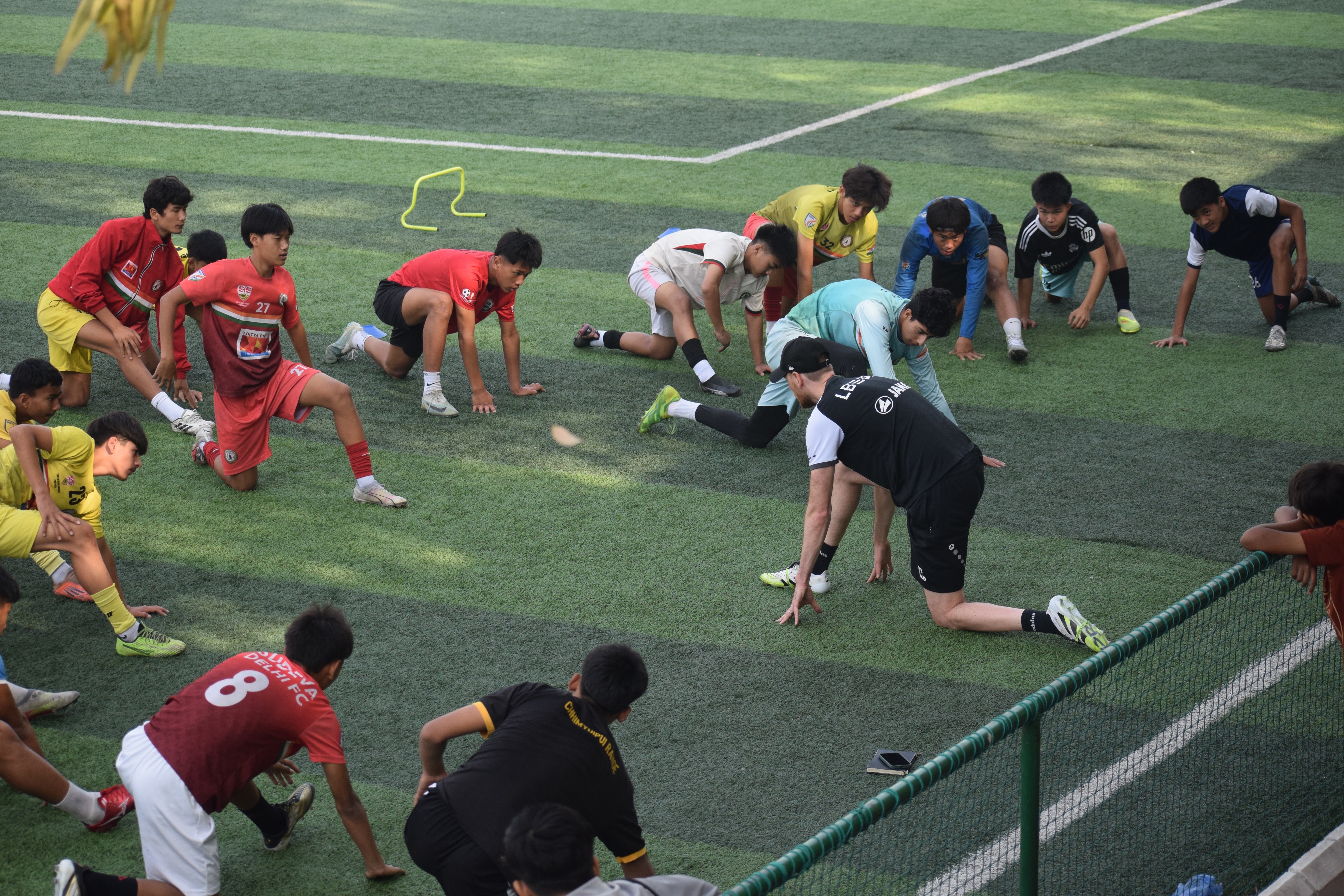
Q: How do you assess Sudeva's overall development model?
A: It's a very unique and effective setup. Bringing in players from across the country and immersing them in a football-focused environment is a big advantage. The players are not just training during sessions-they're living football throughout the day, using different pitches and constantly engaging with the game.
Q: How do Indian academy players compare with their counterparts in Germany?
A: There is still a gap, but it's important to clarify-it's not because the kids lack talent.
In Europe, football is deeply ingrained in the culture. Kids start playing very early, develop a feel for the ball, and build game understanding by both playing and watching regularly. Also, structured academy training begins as early as U8 or U9.
In India, many players enter professional setups only around U13 or U14. That early exposure to structured training is missing, and it makes a big difference. However, the gap is definitely closing. The development we've seen here has been very encouraging.
Q: Is there hope that Indian players can reach European levels?
A: Absolutely. The gap is shrinking, and the progress is visible. It's not an easy journey, but with the right structure and consistency, Indian players can reach that level over time.
Q: How early does football development begin in Germany, and how does that impact player quality?
A: In Germany, kids start extremely early, it's part of the culture. Even toddlers play with the ball. By the age of 3-5, children are already part of sports groups or clubs, often with little or no cost.
By the time they are 10 or 11, they've had thousands of touches on the ball. That early exposure is a huge reason why they develop so quickly.
Q: How important is athletic development in modern football?
A: It's crucial. Around 2006, there was a big shift in German football when Jurgen Klinsmann introduced advanced athletic training methods. Since then, there's been a strong emphasis on physical development alongside technical skills.
Today, top leagues are incredibly fast and intense. Young players are trained not just with the ball but also in areas like sprinting, movement mechanics, and overall physical conditioning. It's about preparing them for the demands of professional football.
Q: What differences do you see in player profiles between India and Germany?
A: In India, there are many technically good players, quick and comfortable with the ball. But consistency is an issue. A few players stand out, some are average, and others need significant improvement.
In Germany, especially at top academies like Stuttgart, most players meet high standards -- speed, physicality, and technical ability. Scouting also focuses heavily on athletic potential, including speed, movement, and even physical growth projections.
Q: What role do diet and nutrition play in player development, and how has Sudeva improved in this area?
A: Nutrition is a key part of development. Players need constant energy for training and recovery.
From what we've seen, Sudeva has made great improvements. They've brought in a nutritionist, built a proper canteen, and created a structured approach to meals. The players now have access to balanced food and hydration, which supports their overall development.
A: Indian food is actually very good-it naturally includes proteins, carbs, and variety. The important thing is that players eat enough and consistently. From my first impression, the current setup provides everything they need.
 VfB Stuttgart