













With Passage of Sports Bill, Government Doubles Down on Legislative Agenda Amid Opposition Protests
After three weeks of a near legislative standstillsave for 18 hours of debate on Operation Sindoorthe Lok Sabha on Monday broke the deadlock by passing two landmark sports-related bills: the National Sports Governance Bill and the National Anti-Doping (Amendment) Bill
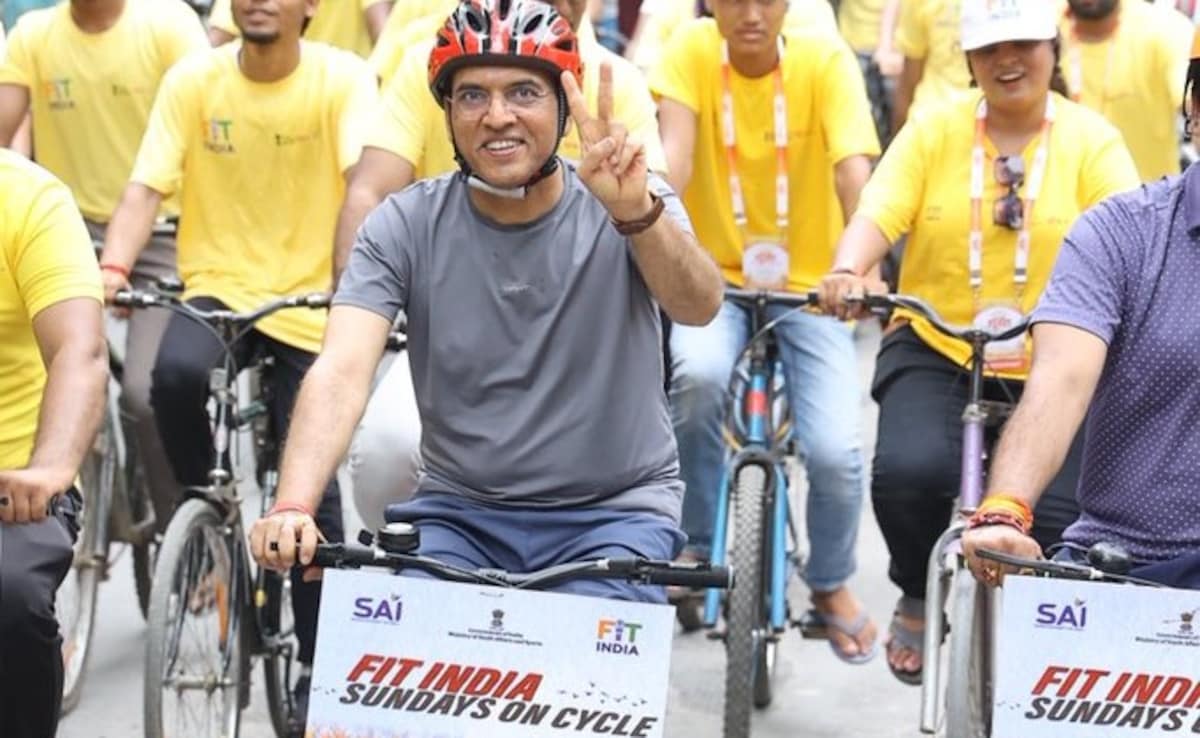
After three weeks of a near legislative standstill—save for 18 hours of debate on Operation Sindoor—the Lok Sabha on Monday broke the deadlock by passing two landmark sports-related bills: the National Sports Governance Bill and the National Anti-Doping (Amendment) Bill. Together, they aim to overhaul the way sports are governed in India and bring the country's anti-doping framework in line with global standards. Government sources described the move as a clear signal of intent: the Centre is determined to advance its legislative agenda despite continuous Opposition protests and a walkout over alleged electoral fraud. Parliamentary Affairs Minister Kiren Rijiju underscored this point, declaring that “one individual, one family” could not hold Parliament to ransom. “Starting today, we will start passing important bills… this is what the people of the country want,” he said.
Officials revealed that the Sports Bill had been marked as a top priority for passage in this session. Sports Minister Mansukh Mandaviya reportedly reached out to MPs across party lines to ensure it did not face procedural hurdles.
What is the National Sports Governance Bill?
Touted by Mandaviya as the “single biggest sports reform since Independence,” the National Sports Governance Bill seeks to usher in unprecedented transparency, professionalism, and accountability in the administration of Indian sports.
At its core, the Bill establishes a National Sports Board to standardise recognition and regulation of sports federations, and a National Sports Tribunal to handle disputes swiftly—replacing the current slow, court-led process. Importantly, all government-funded sports bodies will be brought under the ambit of the Right to Information (RTI) Act, ensuring greater transparency.
Elections to sports federations will now be overseen by a National Sports Election Panel, which will supervise transparent, fair, and low-cost polls nationwide. Governance crises will be managed by appointing experienced sports administrators rather than retired judges, aiming for decisions grounded in domain expertise.
To democratise sports administration, the Bill mandates athlete representation in both the General Body and Executive Committee of all sports federations, and reserves at least four positions for women in each National Sports Body's Executive Committee. It also enforces clear age and tenure limits for top office-bearers—ending the entrenched leadership disputes that have plagued Indian sports.
Safe Sports and Financial Integrity
Beyond governance, the Bill puts athlete welfare at the centre. It introduces a Safe Sports framework to protect players—especially minors and women—from abuse, harassment, and exploitation. Strict financial oversight mechanisms will prevent misuse of funds, while federations receiving government aid will be subject to rigorous public scrutiny through the RTI.
In addition, all national sports bodies will be directed to align their operations with international charters and statutes. This will ensure India's sports administration meets global best practices—bolstering its credibility as the country prepares to bid for the 2036 Olympics. The companion legislation passed on Monday—the National Anti-Doping (Amendment) Bill—addresses concerns raised by the World Anti-Doping Agency (WADA) about government interference in doping control. The amendments guarantee the operational independence of the National Anti-Doping Agency (NADA), a move seen as crucial for India's compliance with international anti-doping regulations.
A Political Signal Beyond Sports
While the sports reforms themselves are substantial, the timing of their passage carries political weight. With the monsoon session largely paralysed by Opposition protests over alleged electoral fraud, the government has been eager to demonstrate progress on its legislative agenda. Monday's bills serve as a showcase of what it can achieve despite disruption.
This approach is not new. In the past, the Modi government has repeatedly pushed through major legislation amid vociferous Opposition protests—whether it was the farm laws of 2020, the Citizenship (Amendment) Act of 2019, or the Digital Personal Data Protection Act, 2023, passed during a standoff over the Manipur violence. In each instance, the government relied on its numerical strength in the Lok Sabha, and where necessary, strategic floor management or joint sittings, to secure passage.
Placards, slogan-shouting, and staged walkouts have not prevented the ruling party from advancing its priorities—an approach it now appears ready to deploy again. Monday's developments suggest that even amid the current deadlock over the electoral rolls issue, the government is prepared to legislate at full throttle.