







Sports And Physical Activity: A Rs 50 Lakh Crore Opportunity For India
A new study by the Sports and Society Accelerator (SSA) projects that by 2047, the sports and physical activity (SAPA) sector could contribute up to Rs 50 lakh crore.
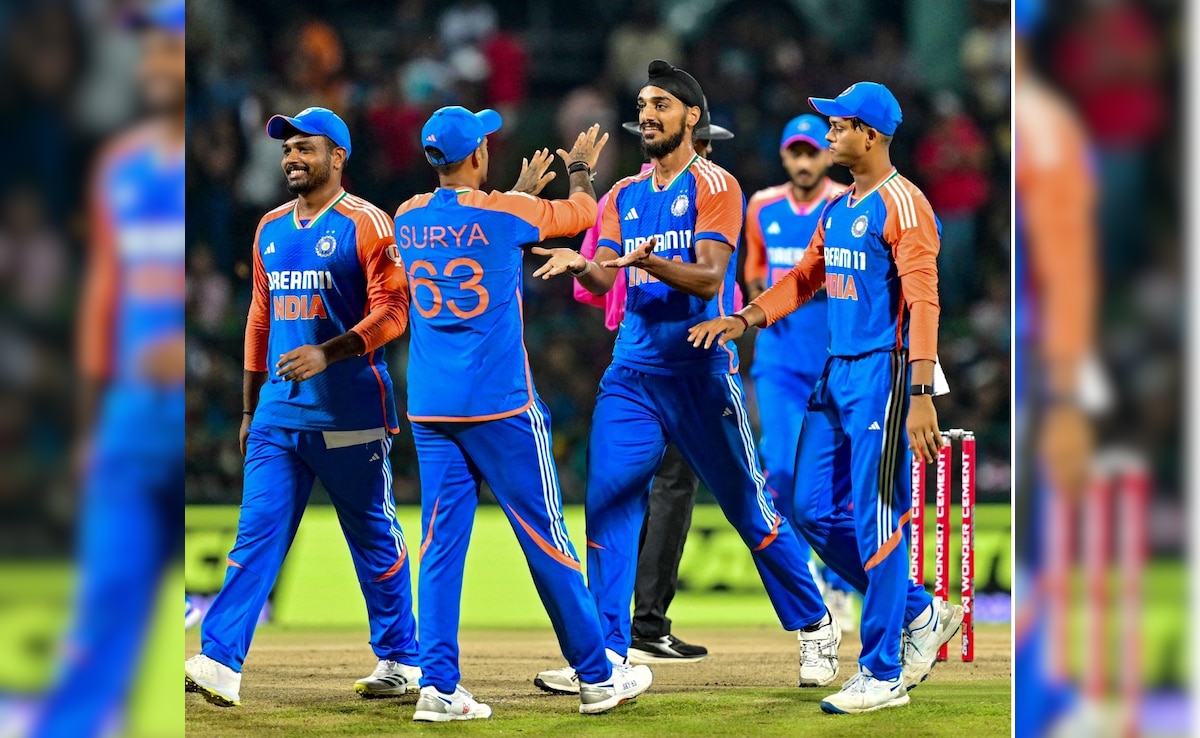
Sports in India is no longer just about medals and matches. A new study by the Sports and Society Accelerator (SSA) projects that by 2047, the sports and physical activity (SAPA) sector could contribute up to Rs 50 lakh crore-2% of India's GDP-and generate nearly 3 crore jobs. Currently, the sector contributes just 0.1% of GDP and employs 33 lakh people (0.5% of the workforce). But with policy momentum, infrastructure growth, and grassroots participation, experts believe sports can transform into one of India's most powerful livelihood engines.
The Case for SAPA
The National Sports Policy 2025 positions sports as both a social good and an economic driver, emphasizing tourism, equipment manufacturing, and entrepreneurship. With India bidding for the 2030 Commonwealth Games in Ahmedabad and the 2036 Olympic Games, large-scale infrastructure and hospitality expansions are already underway.
India's traditional hubs-Meerut and Jalandhar-continue to dominate global sports goods production, accounting for 82% of output across 3,000 units and 130 exporters, producing over 300 products.
The Jobs Potential
From grassroots trainers and physiotherapists to event managers and wellness coaches, the report maps 426 unique SAPA-related occupations. Employment opportunities span direct jobs (coaches, athletes), indirect jobs (equipment manufacturing, logistics), and induced jobs (hospitality, retail).
Seasonality remains a challenge. Many roles tied to leagues or tournaments are temporary, while recreation and fitness sectors provide steadier, year-round employment.
Case Studies in Action
To understand the economic ripple effect of sports, the SSA studied six models-from professional leagues to community centres:
Professional League: Creates jobs across athletes, agents, merchandising, hospitality, and media. Seasonal but high-intensity employment.
Stadiums & Public Parks: Trigger both construction and maintenance jobs, plus event-specific roles in logistics, catering, and security.
Yoga Retreats & Community Centres: Generate permanent wellness, teaching, and hospitality positions, particularly in rural and semi-urban India.
Sports Research Centres: Drive demand for high-skilled professionals such as physiologists, data analysts, and equipment designers.
One striking insight: many "keystone jobs" in the sports economy are not on the field but behind the scenes. Roles like HR managers, logistics coordinators, maintenance technicians, and software developers repeatedly emerged as critical to ecosystem growth.
Bridging the Activity Gap
Despite this potential, participation remains low. Only 10% of Indian adults actively engage in sport, with women and urban residents showing the highest inactivity levels. The study estimates that inactivity already costs India Rs 2.5 lakh crore annually in productivity losses, a number that could be reduced with universal access to SAPA.
Towards a Viksit Bharat
The SSA calls for a "whole-of-system approach"-linking education, skilling, and industry with government and civil society partnerships. The vision: by 2047, every child playing, every Indian active.
As Dr. Aishwarya Ramachandran, the report's lead author, notes: "Sports and physical activity can be India's new growth story-building healthier citizens, sustainable jobs, and global competitiveness in one stroke."
If realized, this future would mean more than medals-it would mean livelihoods, wellness, and a thriving economy powered by play.