













Fix The System, Not Just The Podium: Abhinav Bindra Task Force Lays Out Blueprint For India's Sports Governance Reset
India's sporting ambitions have outgrown its administrative machinery. That is the central thrust of a 170-page report submitted by an Abhinav Bindra-led Task Force to Sports Minister Mansukh Mandaviya.
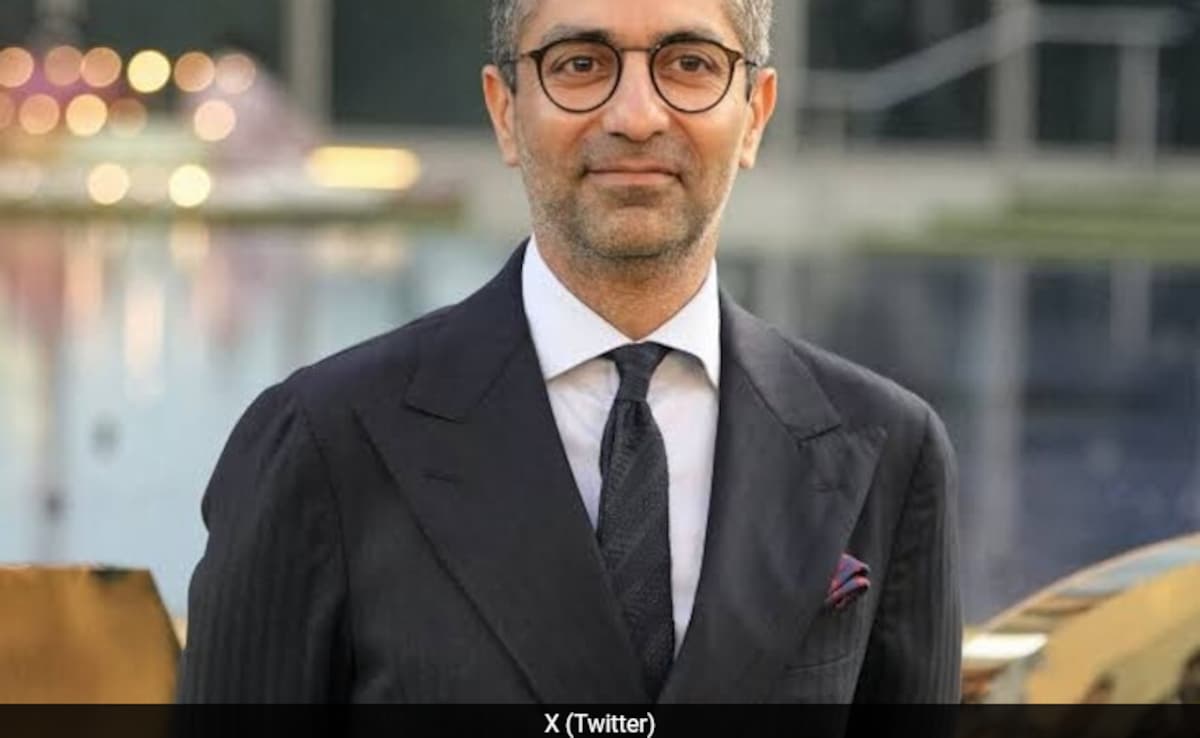
India's sporting ambitions have outgrown its administrative machinery. That is the central thrust of a 170-page report submitted by an Abhinav Bindra-led Task Force to Sports Minister Mansukh Mandaviya, who on December 30 said all its recommendations would be implemented. What the panel delivers is both a critique of the present and a roadmap for the future.
A Diagnosis of Systemic Failure
The Task Force identifies "systemic deficits" across India's sports administration ecosystem - from the Sports Authority of India (SAI) to National Sports Federations (NSFs) and state departments. The blunt assessment: institutions that form the backbone of Indian sport are understaffed, poorly coordinated and overly dependent on generalist civil servants or short-term contractual staff with limited sector expertise. The result, the panel notes, is ad-hoc decision-making, weak institutional memory and little long-term professionalisation.
Why SAI and States Are Under the Scanner
Describing SAI and state sports departments as critical yet constrained, the report highlights deep capacity gaps that undermine policy implementation and coordination with federations. With no dedicated sports administration service in place, governance often lacks continuity and technical depth. Poor alignment between SAI, NSFs and states leads to overlapping roles, duplication of work and blurred accountability.
The Missing Professional Cadre
At the heart of the report is a call for professionalisation. India, the panel argues, lacks a trained cadre of sports administrators equipped with modern governance, ethical, digital and operational skills. Existing training pathways are fragmented and outdated, with little emphasis on continuous professional development. The recommendation: move from personality-driven administration to competency-driven governance.
Athletes in Governance, But Not Prepared
While the upcoming National Sports Governance Act mandates athlete representation in NSF executive committees, the Task Force flags a glaring gap - athletes are rarely prepared for governance roles. Most retire without formal training in leadership, administration or policy. The report calls for a structured dual-career pathway aligned with Long-Term Athlete Development, citing global examples like Sebastian Coe, Thomas Bach and Kirsty Coventry to underline how elite athletes can become effective administrators with the right support.
Power Imbalances Inside Federations
Governance gaps within NSFs receive sharp attention. Over-centralisation of authority, particularly in the hands of presidents, limited transparency and the absence of full-time CEOs or professional directors are flagged as major concerns. Such structures, the panel warns, stifle accountability, create conflicts of interest and weaken high-performance programme delivery.
The Structural Fix: NCSECB
The headline recommendation is the creation of a National Council for Sports Education and Capacity Building (NCSECB), an autonomous statutory body under the Sports Ministry. The council would regulate, accredit and certify sports administration training nationwide, introducing a five-level competency framework, mandatory certifications, credit-linked career progression and continuous professional development aligned with NEP 2020.
Civil Services, Digitisation and Global Best Practices
Recognising the role of bureaucracy, the Task Force calls for structured sports governance modules for IAS and state cadre officers. It also proposes a digital backbone - Unique Administrator IDs, a national registry and performance dashboards - alongside international partnerships with institutions like the IOC, AISTS and Loughborough for benchmarking and exposure.
Why This Matters Now
India's next sporting leap will not come from talent alone. As the Bindra Task Force makes clear, world-class athletes need world-class systems behind them.