



Beyond Football: How Bayern Munich Plan To Conquer The Indian Market
FC Bayern Munich prioritises India as a key growth market, aiming to build strategic cultural and economic ties beyond football.
Every single season, football fans all across the globe wait for their favourites European teams to travel to their countries for pre-season friendlies. For those thousands of miles away from European football, such pre-season tournaments offer a rare opportunity to see their favourite players in action, live. FC Bayern Munich, one of the world's most commercialised and structured football properties, had a tour in Asia and South Korea this summer. While a club of the stature of Bayern understands how important the Asian market is for its fanbase, a riddle their officials haven't been able to resolve in the continent yet is India.
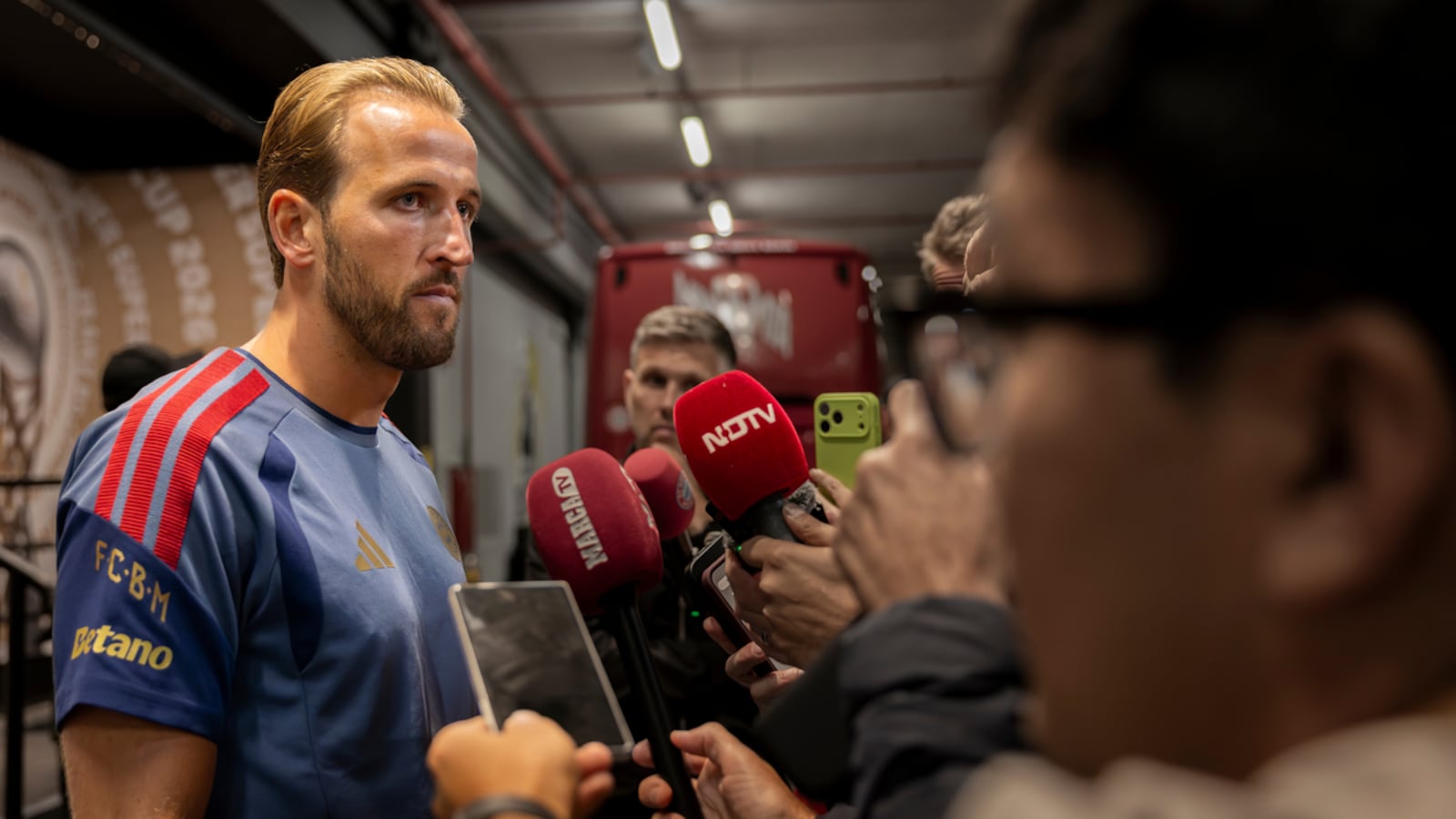
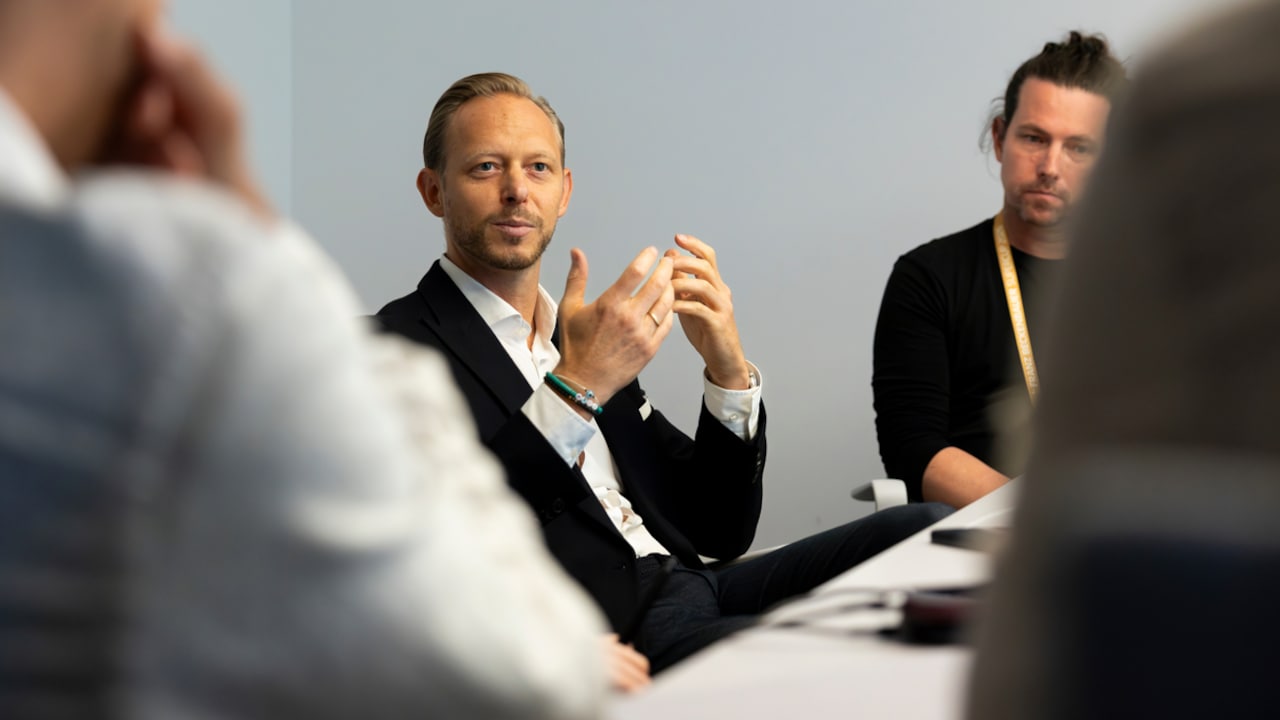
Speaking to NDTV, Rouven Kasper, Chief Marketing & Sales Officer at FC Bayern Munich, laid out the Bundesliga club's international strategy. While traditional powerhouses in East Asia like South Korea, Japan, and China remain cornerstone "key markets," Kasper explicitly placed India at the top of the club's targeted "opportunity markets."
For Bayern, expanding into India is not merely a matter of broadcasting rights or standard brand awareness, it is an exercise in macro-level strategy.
"India is, I don't want to just talk about football, I think India is a very important country, especially for Europe," Kasper explained. "Not just about culture and sports, but also about economics and politics. Building the bridge between India, especially, and Europe is very important because you know that currently global structures are shaking, and India can be a very stable partner for Europe and Germany especially."
With Germany's economic strength tied heavily to its export-driven framework, European institutions are increasingly looking to forge reliable corporate, educational, and cultural links with the world's fastest-growing major economy. The demographic argument for European football brands in India, hence, is undeniable.
"When you know about the people in India, knowing that there are a little bit less than one billion people under 27, very well educated, very digital, very driven, then you see that it should be a strategic market for Germany and Europe in general," Kasper asserted. "Taking your footprint there totally makes sense."
Soft Diplomacy and Strategic Partnerships
Football has long functioned as more than just 90 minutes on a pitch; it serves as a global ambassador. Kasper drew a direct historical parallel to the famous "ping-pong diplomacy" that bridged international relations in the 1970s, suggesting that football now carries even greater potential.
"Football often is also a tool of soft diplomacy, like it was ping-pong diplomacy, and globally with an even stronger power it can be football," Kasper stated. "You can work together in so many different areas, and I think India, that's why India is now as well in our portfolio of important markets."
To turn this strategic vision into action, Bayern isn't taking a passive approach. Kasper revealed that dialogue with major Indian stakeholders is already underway to uncover how European football intellectual properties (IPs) can genuinely contribute to developing the sport locally.
"This is also why I flew into Dortmund earlier, to meet a very influential Indian person, because so far they did not find their way in football," Kasper revealed. "For not just Bayern, for all football IPs, I think it makes sense to discuss and find the right partnerships and helping developing football there, and what comes with football."
Ballon d'Or And Marketing
While long-term market expansion lays the groundwork for the future, a club's global relevance is ultimately driven by success on the field. For Bayern Munich, that excellence is currently personified by Harry Kane.
Addressing the commercial impact of individual accolades, Kasper mounted a fierce campaign for Kane to be awarded the Ballon d'Or, an honour no Bayern player has lifted since Karl-Heinz Rummenigge over four decades ago.
"When you look at the statistics, the statistics are insane. 73 goals in 64 matches. He shot a hat-trick in the cup final. He is the player who shot the first 100 goals in the shortest time in all top five leagues in history," Kasper emphasised. "Besides these statistics on the pitch, also when you look at him... he's such a gentleman. He's not just a number nine, he developed into a full player... We think that there is no way around him this year."
Beyond individual pride for the player, having a Ballon d'Or winner in Munich reinforces FC Bayern's reputation as the premier global platform for elite talent.
"Just being a platform for a Ballon d'Or winner is even something which is more than statistics. It counts more than statistics," Kasper explained. "If you have a player like this, it would be a big honour as well for the club and for sure would also push our whole activities we are doing globally. Look how he came from Tottenham and what kind of player he is now. It's also a strong sign for others, knowing that we always want to have the best players and representatives in our squad."
Even as Bayern Munich attempt to push into new territories like India, South America, and North America, Kasper was quick to draw a firm boundary between global marketing and traditional integrity. When asked whether official German domestic fixture, such as the Franz Beckenbauer Supercup, could eventually be played overseas, Kasper's response was a clear NO.
"I think not possible," Kasper asserted firmly. "You always need to stick-it doesn't matter if it's a football club or it's a league-you need to stick to your DNA. Official Bundesliga matches completely make sense that they are in the league... We are open for everything, and we try to push it heavily, but we need to stick to the traditional way and to the DNA."
As European football navigates a changing landscape, FC Bayern's strategy appears clear: protect the soul and traditional roots of the game at home, while building new, meaningful bridges with emerging giants like India abroad.
 Bayern München