xQc Unbanned On Twitch After A DMCA Copyright Strike Was Issued Over a Five-Second Clip
xQc was streaming like normal when his Twitch channel suddenly went dark. The reason behind it traces back to something nobody would have thought twice about. Here's what actually happened, and why it didn't last.
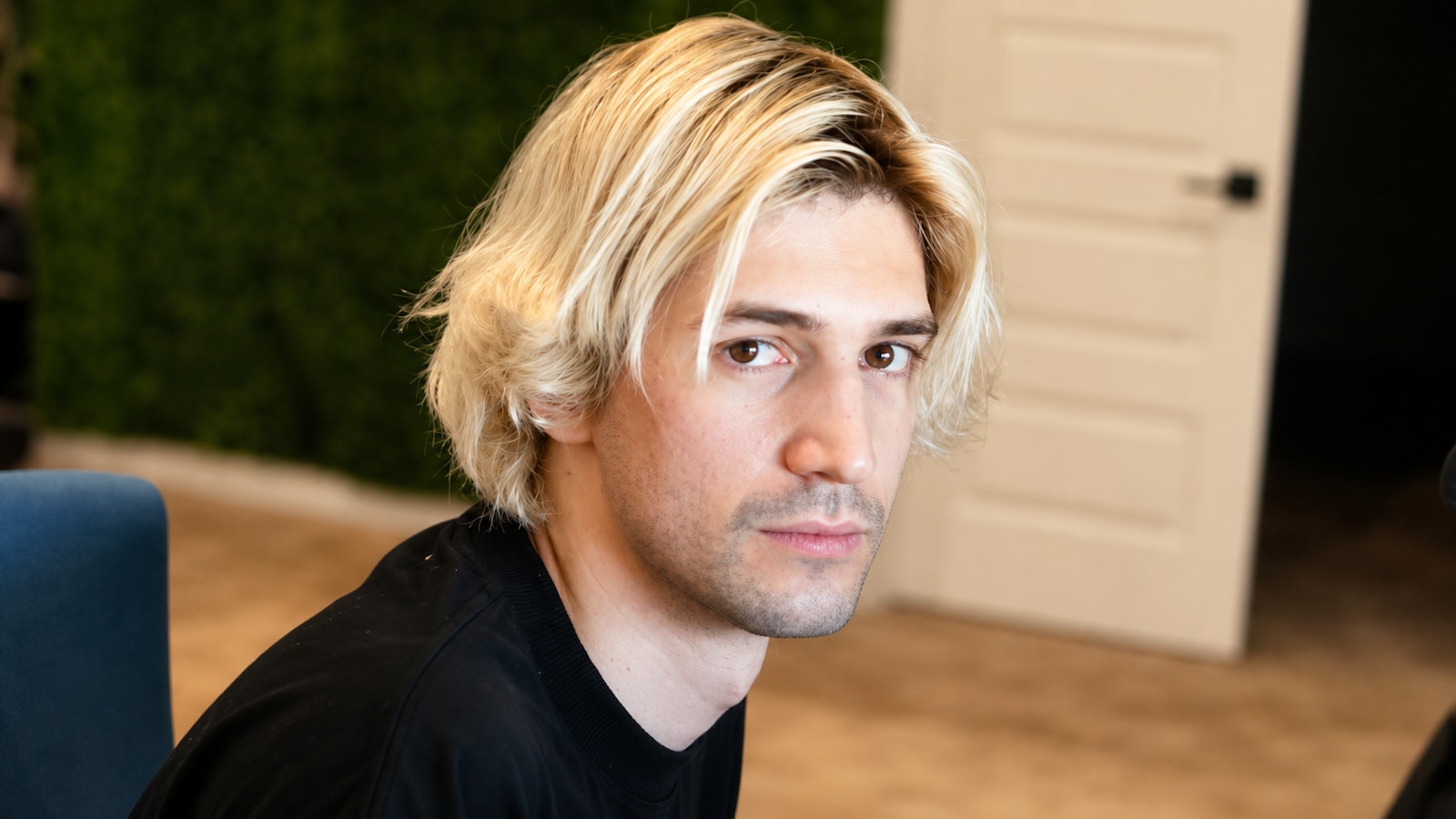
xQc was multistreaming on both Twitch and Kick on the night of June 22, 2026, when his Twitch channel went dark mid-broadcast. He had no idea why at first. The email he eventually pulled up pointed to a copyright issue, and by the time he made sense of it on camera, his reaction said more about the situation than the notice itself did.
What Actually Got xQc Banned
"Twitch ban? Wait, what? Maybe DMCA, wait, why?" he said, reading the email out loud to his chat while still live on Kick. Once he got through it, he put the pieces together fast: "I'm not going to lie, chat, I think it's the five-second clip that was on Twitter of Mbappé. It's not the big ones, it's the f***ing five-second clip. Five-second! That's crazy! How could I know it was from a game that was still ongoing?"
The clip in question was a brief moment of Kylian Mbappé scoring during the France vs Iraq match, something xQc had pulled up live on stream while the game was still in progress. The strike came from a copyright claimant named Jonathan Schmitz, tied directly to FIFA World Cup 2026 match footage, with the notice listing a specific claim ID and labeling the content "FIFA World Cup 2026 Copyright Protected Match Footage." Twitch's email cited two copyright strikes on his account and suspended the channel for 48 hours.
This was his sixth Twitch suspension, and the number itself didn't seem to bother him much. What got to him was the timing, given how careful he'd tried to be about not airing anything from the tournament directly. "Well, GGs, I guess. It really sucks because I waited as much as I could. Chat, it's that one f***ing clip! It's the one f***ing clip!"
Why Five Seconds Was Enough to Trigger a Strike
The notice Twitch sent wasn't a generic platform warning. It was a formal DMCA copyright strike, the same mechanism YouTube, Twitch, and most major platforms use when a rights holder believes their material has been used without permission. Twitch's guidelines state that the platform complies with the Digital Millennium Copyright Act, letting a rights holder submit a notification of claimed infringement at any time and demand that the material come down. The content gets pulled first, the suspension follows automatically, and there's no review step where Twitch checks the footage before acting.
This isn't new territory for xQc either. Back in 2021, he was banned live on stream for reacting to Olympic highlight footage, in what he called a "Live-DMCA" strike, the same category Twitch applied this time. He didn't take that one quietly. His team filed a counter-notification arguing the reaction content was transformative under fair use, a move his lawyer warned "could cost millions" if the IOC chose to pursue it. They didn't, and the strike was removed. That history is probably why he sounded more annoyed than alarmed this time around. He's done this dance before.
What made this particular case unusual was how little footage was actually involved. Five seconds, sourced from a clip already circulating on Twitter rather than a pirated broadcast, isn't normally enough to draw this level of scrutiny. The France vs Iraq match had been pushed well past its expected finish by severe weather delays, though, which meant it was still considered live broadcast footage in the eyes of whoever was monitoring rights on FIFA's behalf.
Why the Ban Didn't Last
The 48-hour suspension didn't last anywhere close to that. By June 23, account @Awk20000 was already posting that xQc had been unbanned, and the speed of the reversal became its own talking point, especially next to how long some of his past bans had dragged out. A turnaround measured in hours is not the norm for a strike of this kind.
xQc framed the short suspension as a procedural safeguard rather than a real punishment. "It's not like real real. The reason they ban is so your channel isn't live, and you don't make more infractions. If you made more infractions in the same stream, Twitch would have to ban you permanently," he said. "They stop the stream when you get a strike, so it's a live strike." He called it something close to a courtesy: "It's called good faith. Basically, it's a one-day ban, but it's not like real-real."
That framing lines up with how Twitch generally handles these situations, where stopping the footage from continuing to air matters more than punishing the streamer, which is roughly how the Olympics case resolved too once the counter-notification went through.
What Happens Now
xQc kept his Kick stream running the entire time the Twitch ban was active, so the suspension barely disrupted his actual broadcast. Viewers who wanted to keep watching simply followed him over, something that's become routine for him given how often he multistreams across both platforms anyway.
He was back on Twitch within hours, which, by his own ban history, counts as a quiet week. Reaction on Reddit's r/LivestreamFail thread split between people pointing out that watching FIFA content live during the tournament was always a risk worth avoiding, and others who thought five seconds was an absurdly small amount of footage to trigger a real suspension over. Twitch does let streamers file a counter-notification if they believe a strike was a mistake, the same route xQc used back in 2021, though there's no sign yet that he plans to push back on this one the way he did with the IOC. The World Cup is still going on, FIFA's enforcement isn't loosening up, and xQc now has a very specific data point on exactly how little it takes to set off a strike the next time a highlight clip crosses his screen.