Nashville's Super Bowl 2030 Bid Gains Steam As NFL Owners Consider Unprecedented Vote On Titans Stadium
Voters will soon make a decision on whether Nashville will host Super Bowl LXIV in its Tennessee Titans stadium in 2030.
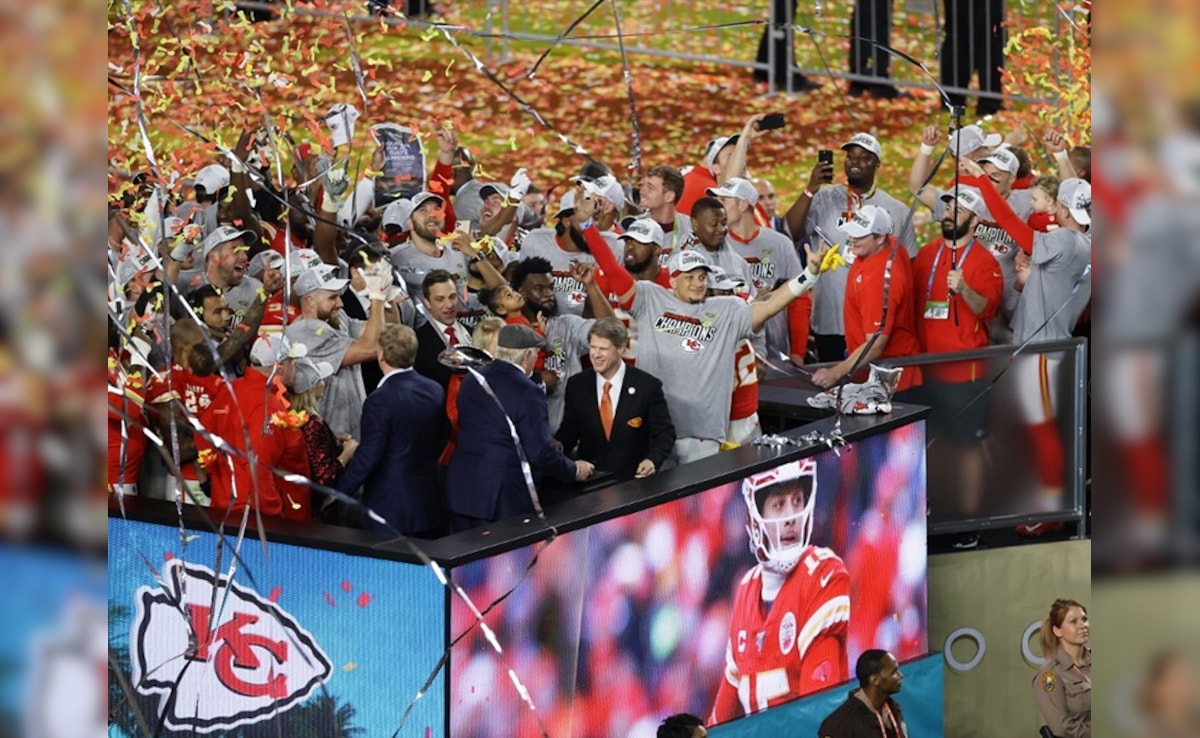
- The vote by NFL owners on Nashville being selected to host Super Bowl LXIV in 2030 is imminent.
- The $2.1 billion stadium of the Tennessee Titans will open its doors in 2027.
- This proposal has once again stirred controversy surrounding public money used for stadium
Nashville may just have scored its biggest win yet. The NFL plans to vote on the hosting rights of Super Bowl LXIV, which could see the prestigious championship game played for the very first time in Tennessee at the new Tennessee Titans stadium. The game would be hosted in February 2030, in the recently announced $2.1 billion enclosed stadium now under construction in Nashville's east end.
The vote to consider Nashville as the site of the championship event precedes the opening of the stadium, underscoring an increasing belief in Nashville's capabilities to play host to major events. But the bid is already meeting with political controversy, with proponents praising tourism earnings and opponents raising concerns about taxpayer dollars going into billionaire-sponsored stadiums.
NFL Owners Will Vote On Super Bowl LXIV At New Tennessee Titans Stadium
Reports indicate that Nashville is the likely winner of hosting Super Bowl LXIV. The construction of the proposed stadium is seen by supporters as central to the development of Nashville into an ideal sports and entertainment destination in the future.
Supporters see a lot of benefits from the event. It is believed that tourism, hotel rooms, restaurant visits, and sales tax revenues during the Super Bowl week could justify Tennessee's commitment to the project.
NFL Super Bowl Host Debate Heats Up Amidst Critics Questioning Public Investment
While the news is exciting, the project itself remains highly controversial. Lawmakers, who had earlier opposed public spending of almost $500 million on the stadium, are now seeing how the Super Bowl can benefit Nashville and Davidson County.
Nonetheless, there are continued criticisms regarding the use of public funds in the building of the stadium. The critics contend that taxpayer dollars could be used in other places rather than financing stadiums for rich organizations such as those owning teams.
The promise of having major tournaments like the Super Bowl and possibly the SEC Championship at the stadium helped sell the idea of building it to the local authorities and citizens. Although the SEC is determined to stay in Atlanta, Nashville seems more poised than ever before to host football's most anticipated tournament.