





No Longer Children Of A Lesser God: India's Paralympic Shift From Margins To Mainstream
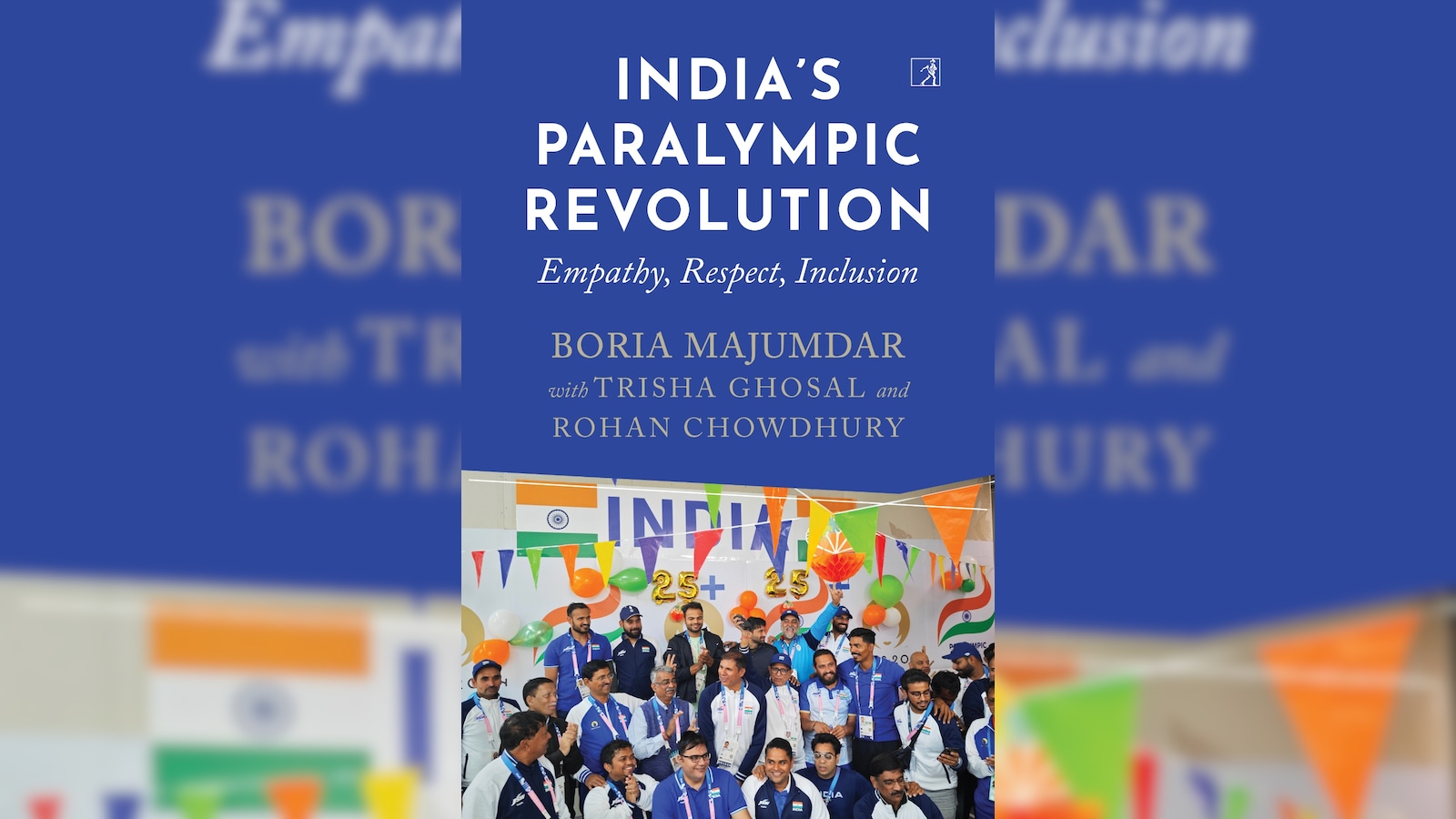
India's Paralympic Revolution - The book is not just about medals and milestones. It is about a profound shift in perception and dignity
It was sometime in late 2010, and the New Delhi CWG had just ended. A few athletes were chatting amongst themselves when one of them mentioned the Asian Games, which was less than a month away. Deepa Malik, who happened to be there, stepped into the conversation and told everyone present that the Asian Para Games were also just around the corner. That's when someone asked if by 'para' she meant 'parachute'. Fifteen years ago, there was hardly any sensitivity regarding para sports in India. People would casually throw out statements like, "Blind, armless, legless, amputee, langda (limp)," without understanding how such words could hurt the sentiments of others.
It is now four decades since Children of a Lesser God won Marlee Matlin an Academy Award for its sensitive portrayal of a young woman with a hearing disability. But the title of the movie itself was a searing reminder of how we treat those 'different' from us, especially in a physical sense. That conversation back in 2010 brought that home with the force of a sledgehammer.
Neglect To Recognition
Medals were few and far between, and the athletes were not accorded the respect they deserved. Perhaps that is why Devendra Jhajharia's father told him ahead of the 2004 Paralympics that only if he won gold in Athens would there be any chance of things changing.
If he failed, every person with a disability in India would be failing with him. Devendra won gold with a world-record throw, and the seeds of change were sown.
Take the Paris Paralympic Games, for example. Those who follow Paralympic sport knew that India would perform well. India had won 111 medals at the 2023 Para Asian Games and had also done extremely well at the World Para Athletics Championships in August 2023. Our athletes stood out in shooting, athletics, table tennis, and badminton between 2022 and 2024, and Paris was expected to be the climax. Yet there was very little media support.
"What's the ROI?" I was repeatedly asked. "How many people will watch?" was always the follow-up question.
When has it ever been only about numbers? Satyajit Ray will forever remain a legend, even if far fewer people have watched Pather Panchali compared with a Dhurandhar.
Feats And Rising Confidence
As the Indian medal haul started to rise, interest back home also grew. Sheetal Devi set the tone with a stellar opening performance, and then badminton and athletics took over. While I do not want to single anyone out, the truth is that many of these athletes had never faced the media before.
Consider this from Yogesh Kathuniya: "Dada, let's go to the Eiffel Tower together. I will take my silver medal with me, and we can do a show from the top of the tower. We can even take the cruise-it will be a lovely show to do," he said.
"When have we ever seen athletes suggest story ideas like this?"
I asked my colleagues in Paris.
Sumit Antil went one better. The day after he won his historic second Paralympic gold, he saw us all in front of the village and asked if we had eaten lunch. The truth is, we were starving and planned to eat soon after finishing a recording. Sumit may have realised this or overheard something and insisted on treating us to lunch to celebrate his gold medal. Ask any journalist, and you will know this is a very rare gesture. Hardly ever will an athlete insist on taking the touring media out to celebrate a gold medal.
But that is how the Paralympic domain is. It is still not a hyper-commercialised or highly professionalised fraternity. The boundaries remain porous, and human values are still a key feature. Journalists are not always looking for controversies or negative stories, and the athletes are not afraid of the media. The synergy still exists, which may explain why we had tremendous access to athletes and coaches while writing India's Paralympic Revolution (co-authored with Trisha Ghosal and Rohan Chowdhury; published by Simon & Schuster India).
The book is therefore not just about medals and milestones. It is about a profound shift in perception and dignity.
To cite another example: when India reached the landmark of 25 medals in Paris, a special celebration was hosted by the contingent inside the Games Village. To my pleasant surprise, Devendra Jhajharia, the president, extended a special invite to the media. Not only were we welcomed into the team room, but it was a delight to see that some excellent Indian sweets had made their way to the celebration. At the end of the formal event, Harvinder, Yogesh, Nishad, and a few of us sat in the village precinct for hours catching up on stories. It was a wonderful evening spent.
Stories Waiting To Be Told
What I am trying to get at is this: this was a book waiting to be written, not just for the achievements of the last few years, but also because the athletes want their stories told. The interviews and conversations aren't cosmetic, and the passion is still what drives the domain. A Navdeep will still say to us, "aap logo ne to hero bana diya mujhe [you people have made me a hero]," greeting us with a smile, while a Sumit will say without hesitation, "aap ko bar bar bolna nahi padega. Main conclave mein aaunga zaroor [you wouldn't have to tell me time and again. I'll definitely come to conclave]."
There is an opportunity out there. India can indeed make the top 10 in the medals tally in Los Angeles 2028. With the kind of talent and potential we now have in the country, this is no longer a pipe dream. There is government and corporate support, and money isn't an issue anymore.
So what's the way forward for Indian Paralympic sport? Can India really make it to the top flight of the world, and can the momentum be sustained in the next few years?
This is that story.
(Boria Majumdar is consulting sports editor with NDTV)