



When Wall Street Meets Willow: Why Global PE Is Padding Up For IPL
Cricket has always been big business in India. Now, it's officially crossed over into boardroom sport
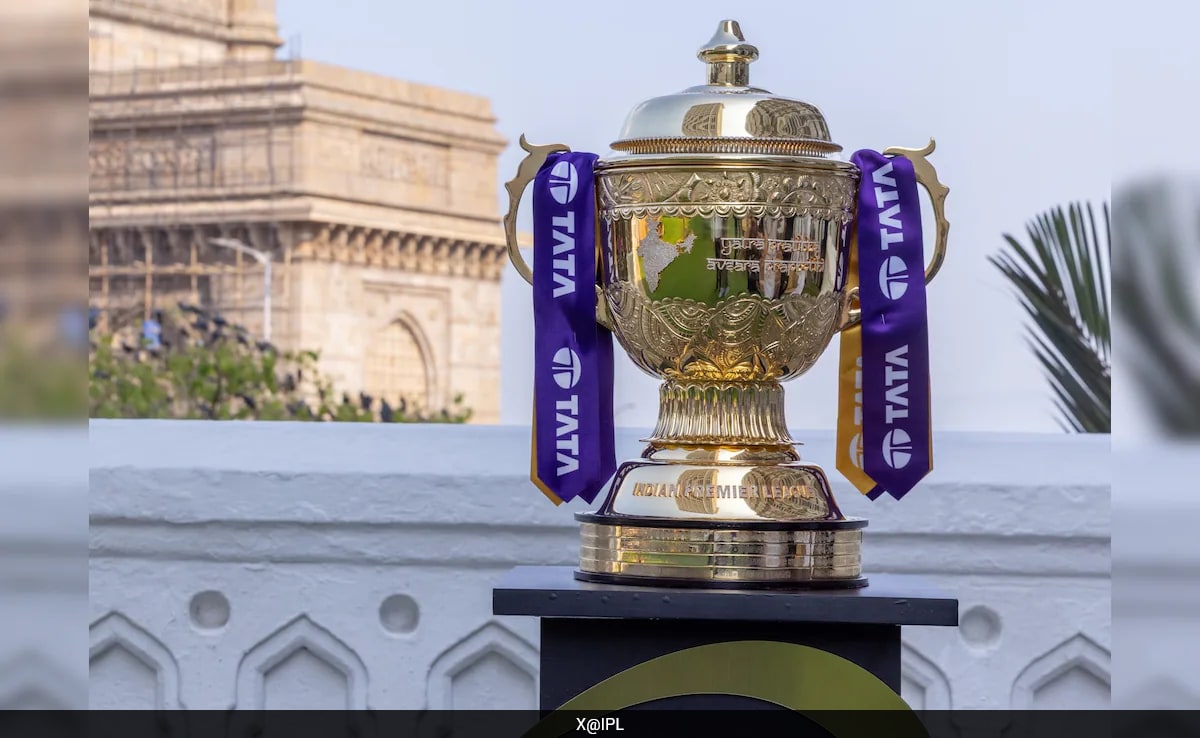
Cricket has always been big business in India. Now, it's officially crossed over into boardroom sport. A recent report by Reuters revealed that global private equity heavyweights like KKR and Blackstone are circling Indian cricket, eyeing stakes in franchises from the Indian Premier League (IPL). And that means the world's sharpest money managers are finally admitting what Indian fans have known for years - this league doesn't just entertain, it prints value.
According to the report, the IPL's business value surged to a record $18.5 billion last year. On a per-match basis, it now trails only the NFL globally.
But for the architects of the league, this moment feels less like a surprise and more like delayed validation.
Lalit Modi, the father of IPL sounded less like an administrator in exile and more like a coach watching his game plan finally come together.
"The value creators and value protectors inherent in an IPL franchise investment were rigorously established at inception in 2007/08. They remain valid, relevant and strong today," Modi said.
"Demand from both domestic and international institutional investors continues to grow, further validating IPL invest-ability."
Then came the reminder - part prophecy, part victory lap.
"If you remember in season three, I clearly said IPL is recession-proof. Today that quote could not be more true. The investment story has only just begun."
From sixes to spreadsheets
Private equity's sudden enthusiasm isn't emotional.
Broadcast rights doubled to more than $6 billion in the last auction. A centralised revenue pool ensures every franchise gets a healthy annual cheque before a single ticket is sold. Player auctions keep competition fresh. And with only 10 teams in the league, scarcity does the rest.
That model is why firms are reportedly exploring stakes in Royal Challengers Bengaluru and Rajasthan Royals, among others.
The spark for this new wave? A blockbuster exit by CVC Capital Partners, which sold its majority stake in the Gujarat Titans for a return north of 350% in just four years. Suddenly, IPL franchises aren' just trophies - they were high-performance assets.
And franchises are already cashing in. Kolkata Knight Riders more than doubled revenue in a year. Sponsorships are growing at double-digit rates. Every team earns roughly $55 million annually from the league's central pool alone, before counting tickets, brand deals or merch.
Sport first, spreadsheets second
Still, the IPL's magic isn't just in balance sheets.
It's in packed stadiums, last-over finishes, and superstars like Virat Kohli and Pat Cummins turning weeknights into global watch parties. That blend of elite sport and mass culture is what keeps audiences locked in - and investors interested.
Yes, there are risks. A crowded global franchise calendar. Questions over future broadcast auctions. New leagues popping up in other countries. But the core remains rock solid: a young market, rising disposable income, and a league that sits right at the heart of India's sporting identity.
Which brings us back to Modi's point.
The IPL wasn't built as a seasonal spectacle. It was designed as an ecosystem - media, merchandise, fandom, franchises - all feeding into one another. That architecture is now attracting capital from New York to Zurich.
Wall Street has finally padded up.
For Indian cricket, it's just another innings.
For global private equity, it's a late entry into a game that's been roaring for nearly two decades.
And if Modi is right, they've arrived just as the real run-rate is about to climb