
Iran: FIFA World Cup 2026 Participation In Doubt Amid Escalating Conflict
With just over 100 days until the 2026 World Cup kicks off in the United States, Iran's place in the tournament has been thrown into uncertainty following US military strikes carried out alongside Israel.
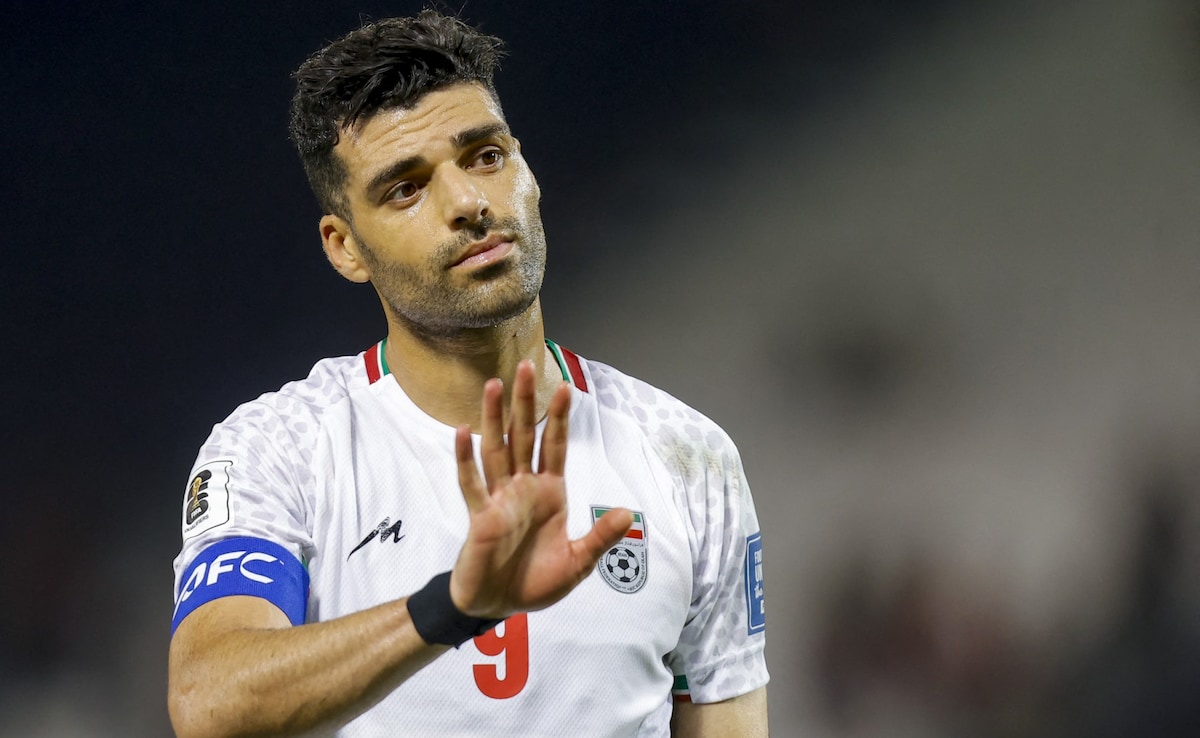
With just over 100 days until the 2026 FIFA World Cup kicks off in the United States, Iran's place in the tournament has been thrown into uncertainty following US military strikes carried out alongside Israel. Iran have qualified for what would be their fourth consecutive World Cup and are scheduled to play group matches against New Zealand and Belgium in Los Angeles, followed by Egypt in Seattle. However, Mehdi Taj, head of the Iranian Football Federation, has reportedly questioned whether participation is now realistic following the US attack. The uncertainty has deepened after the killing of Supreme Leader Ayatollah Ali Khamenei, leaving Iran's political future unclear.
FIFA says it is monitoring developments, but BBC has reported that it privately expects Iran to take part. Secretary General Mattias Grafstrom reiterated that the priority remains a "safe World Cup with everybody participating."
If Iran were to withdraw or boycott, replacement options from the Asian Football Confederation could include Iraq or the United Arab Emirates.
Meanwhile, Iran's women's national team is in Gold Coast, preparing for the AFC Women's Asia Cup, with coach Marziyeh Jafari focusing publicly on football rather than politics.
The United States: Security, Politics and Heightened Scrutiny
The conflict presents complex security and political challenges for US authorities.
President Donald Trump previously signed an executive order restricting entry to nationals from 12 countries, including Iran, though players and coaching staff are exempt from the ban.
Iran's matches in Los Angeles - home to one of the world's largest Iranian communities - are likely to attract intense security attention. At the 2022 World Cup in Qatar, Iran's fixtures were marked by protests and confrontations among fans divided over the government in Tehran. Similar tensions could resurface this summer.
FIFA, Trump and the "Peace Prize" Controversy
The crisis has also intensified scrutiny of FIFA president Gianni Infantino and his relationship with Trump.
In December, FIFA awarded Trump its inaugural "Peace Prize" at the 2026 World Cup draw, citing his claimed role in brokering ceasefires and seeking to end conflicts. Since then, the US has undertaken military actions in Venezuela, Nigeria and Iran, prompting criticism of FIFA's political alignment.
Infantino defended the award last month and appeared at a White House peace board meeting wearing a Trump-branded cap referencing his presidential terms.
Political reaction has spread internationally.
A German Football Association official raised the possibility of a boycott in response to US foreign policy decisions.
FIFA maintains it has a statutory duty to remain neutral. The governing body faced similar dilemmas in 2018, when the World Cup proceeded in Russia despite geopolitical tensions. Russia was later banned in 2022 following its invasion of Ukraine after several European nations refused to compete against it.
Infantino has since suggested that isolating Russia has not been effective and expressed interest in lifting sanctions. There has been no indication of any appetite within FIFA to sanction the US.
A Tournament in an Increasingly Volatile Landscape
What was already expected to be a politically charged World Cup - coinciding with celebrations marking 250 years since the US Declaration of Independence - now faces even deeper uncertainty.
Whether Iran competes, withdraws, or is replaced, the 2026 World Cup is shaping up to be defined not only by football, but by escalating geopolitical tensions that are testing FIFA's neutrality, US security planning, and the global game's relationship with politics.
 IR Iran
 United States