Ryan Reaves Retires at 39 After 962 Games as the NHL Loses Its Last Enforcer
After a career that saw him put the fear of getting knocked out on the ice to the NHL across 962 games, Ryan Reaves has finally decided to call it quits on his legendary career.
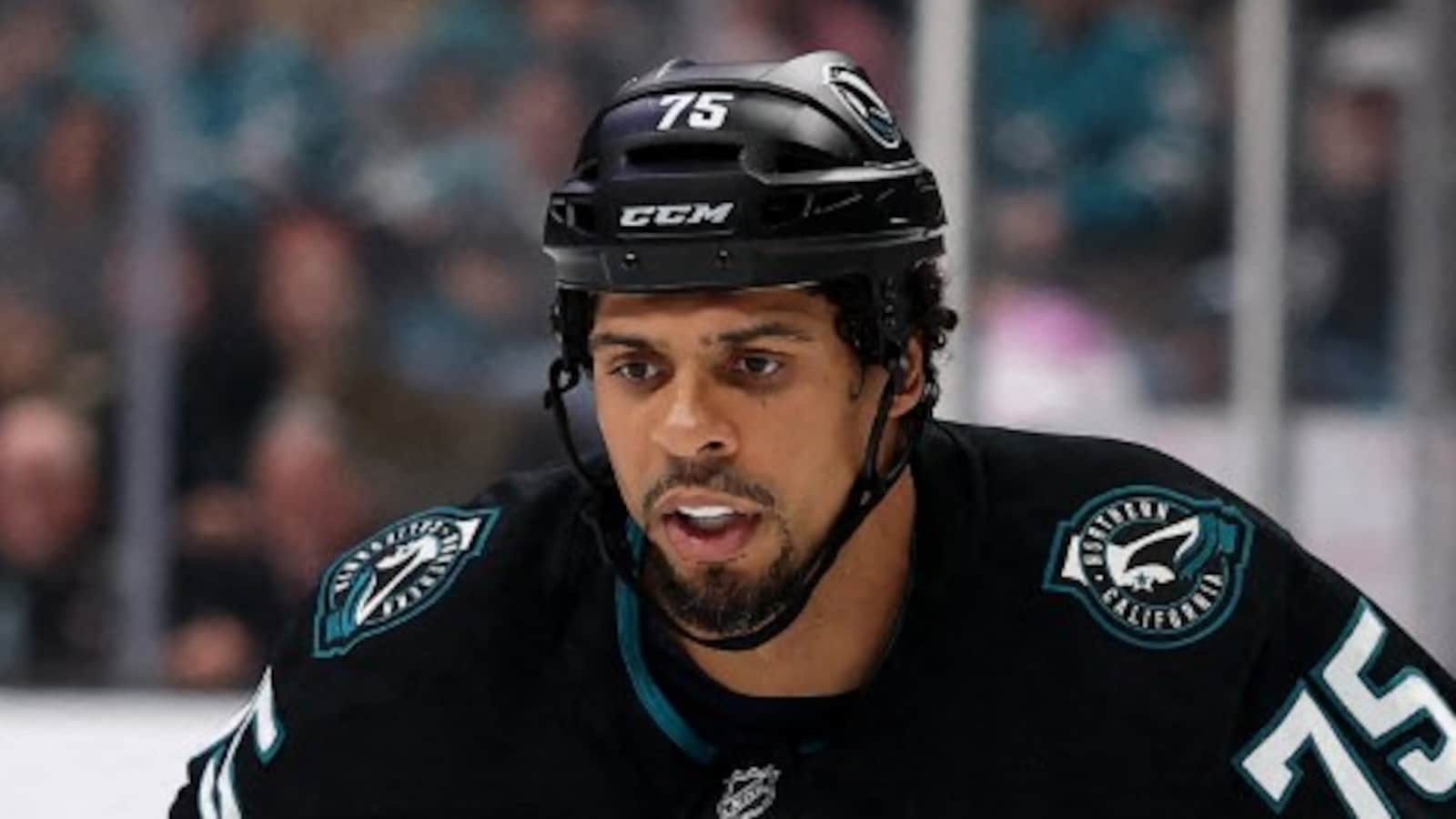
- Ryan Reaves announced his retirement earlier today after playing 962 NHL games.
- He was among the last few enforcers present in modern NHL.
- The right-winger played 16 seasons in the NHL across multiple teams and Stanley Cup campaign
Ryan Reaves built his NHL career on a currency that the modern game has spent the last decade trying to eliminate. He was the enforcer, the protector, the guy who made opposing forwards think twice before taking a run at a teammate in the corner. On Tuesday, at 39 years old, he confirmed what everyone in hockey eventually has to accept. The ride is over.
Reaves announced his retirement on Instagram in a message that carried the same no-nonsense energy he brought to every shift across 962 NHL regular season games. No long speeches, no tearful press conference. Just Reavo, one last time, saying exactly what he meant.
Ryan Reaves' Message Said Everything There Was to Say About Him
"Today, I retire from the sport I've loved since I was 5 years old," Reaves wrote. "It was a hell of a ride. Thank you to everyone who supported me throughout this journey." He closed it the only way he could. "You can rest easy knowing the corners are a little safer today. Mic drop, gloves drop. Reavo out."
That is the Ryan Reaves retirement address right there. No fluff, no theatrics, no ghost-written emotional tribute. Just a man who knew exactly who he was for 14 seasons, signing off the same way he played. On his terms.
What 962 Games Actually Means
Reaching 962 regular season games as a fourth-line enforcer in the modern NHL is not something that happens by accident. The game has been systematically phasing out players like Reaves for years, prioritizing puck movement and transition speed over the kind of sandpaper physicality he brought every night.
Reaves outlasted almost every contemporary who occupied that same role when he broke into the league. He did it by adapting just enough to remain a viable option without ever abandoning the edge that made him valuable in the first place. Every team he suited up for found something in him that went beyond the stat sheet.
His value was never measured in points. It was measured in presence. Linemates skated harder knowing Reaves was on the bench. Agitators thought twice knowing Reaves was watching. The locker room leaned on him the way you lean on a load-bearing wall. You do not always notice it until it is gone.
The End of an Era in More Ways Than One
The enforcer role did not die with Reaves, but it got a little harder to find with his retirement. He was among the last of a generation of players who built entire careers on toughness, accountability and the willingness to drop the gloves when the moment called for it.
That style of player is increasingly rare. The cap era, the speed era, and the analytics movement have all pushed the fourth-line fighter further toward extinction. Reaves managed to hold on longer than almost anyone, and he did it without compromising what made him worth keeping around.
Nine hundred and sixty-two games. Not a single one of them soft. Reavo out.