Sean Sharaf Reveals Conor McGregor's Psychological Warfare Tricks Helped Him Shock Gable Steveson In UFC 331
Sean Sharaf says he deliberately studied Jon Jones and Conor McGregor’s use of pre-fight mind games before targeting Gable Steveson’s past during UFC 331 fight week, calling his approach “psychological warfare.”
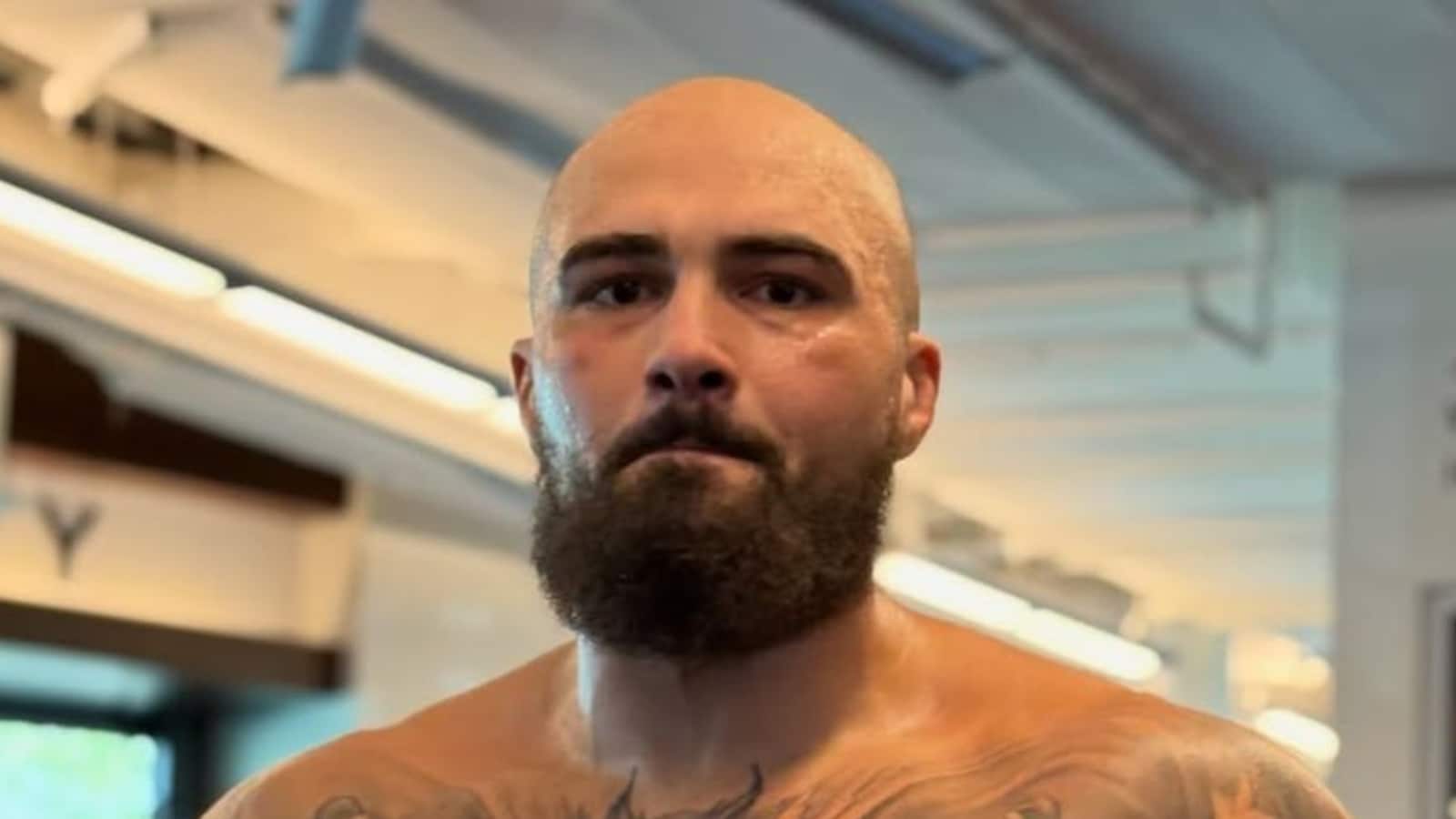
Sean Sharaf has revealed that he consciously studied Jon Jones and Conor McGregor's technique for pre-fight mind games before targeting Gable Steveson's past during UFC 331 fight week, describing his tactics as a calculated form of “psychological warfare” designed to disturb the Olympic gold medallist's focus. Sharaf, a 33-year-old former Marine and 0-2 UFC veteran coming into the event, pulled off one of the biggest displays of distress in company history by knocking Steveson out in just 12 seconds at Crypto.com Arena in Los Angeles.
???? Sean Sharaf says he was inspired by Jon Jones and Conor McGregor to use psychological warfare to get into his opponent's head. ????“Another part is psychological warfare. I've studied Jon Jones since..., and you saw José Aldo and Conor McGregor.” ????“That is a real thing. You say something before the fight, and if it irks somebody the wrong way, they're not gonna be thinking as level-headed.” ???? Via (@WeighingIn)????️
— FightLuck (@FightluckBet) September 24, 2026
Sean Sharaf Shares Jones and McGregor as Inspiration
During the Weighing In podcast, Sean Sharaf said he was inspired by fighters who have successfully used controversy and personal attacks to gain a mental edge. Sharaf stated, pointing to McGregor's relentless verbal assault on Aldo before their 13-second knockout at UFC 194 as a main example, “Another part is psychological warfare. I've studied Jon Jones since [early in my career], and you saw José Aldo and Conor McGregor."
In a separate interview, he repeated that the strategy was intentional. “It's called psychological warfare. It's not just physical. I've studied fighting for so long, and Jon Jones has talked about it before. Psychological warfare is a thing,” Sharaf shared.
The 2019 Allegations and Fight-Week Surge
In 2019, while at the University of Minnesota, Steveson was arrested on allegations of criminal sexual conduct, but prosecutors later dropped the case, citing insufficient evidence. He has consistently denied any felony.
At the UFC 331 conference, he told Steveson to his face, "I don't dislike the guy. Nobody likes a rapist. This guy raped a woman in 2019, and that's why everyone's booing him. You can't do that sh*t; it's wrong.” Steveson responded by calling Sharaf a “coward” and suggesting that bringing up the allegations was a sign of weakness rather than strength.
After the KO, Steveson opened up in a lengthy statement, addressing the allegations directly and saying they had been “thoroughly and heavily reviewed” with no charges filed and no finding of responsibility. He also admitted that the pre-fight comments affected him.
Wider Debate On “Psychological Warfare” In MMA
Jon Jones, whose own use of personal attacks and psychological tactics is well documented, has not publicly commented on Sharaf's approach. Conor McGregor, meanwhile, built much of his early UFC stardom on similarly aggressive pre-fight narratives.
Sharaf's comments have revived a familiar debate in combat sports: where is the line between sportsmanship and crossing into unethical territory? Supporters argue that MMA has always rewarded fighters who can get inside an opponent's head, whether through trash talk, staring down opponents, or mentioning past failures.
Whether Sharaf's methods are celebrated or condemned, they have ensured that his name will be attached to one of the most controversial fight weeks in recent UFC history.