Inside The Adidas Trionda: The Sensor Equipped 2026 World Cup Ball That Must Be Charged Before Kickoff
Before every match at the 2026 World Cup, a ball gets plugged in and charged like a smartphone. The Adidas Trionda is the most technologically advanced football ever made, and it is about to change how the game is officiated.
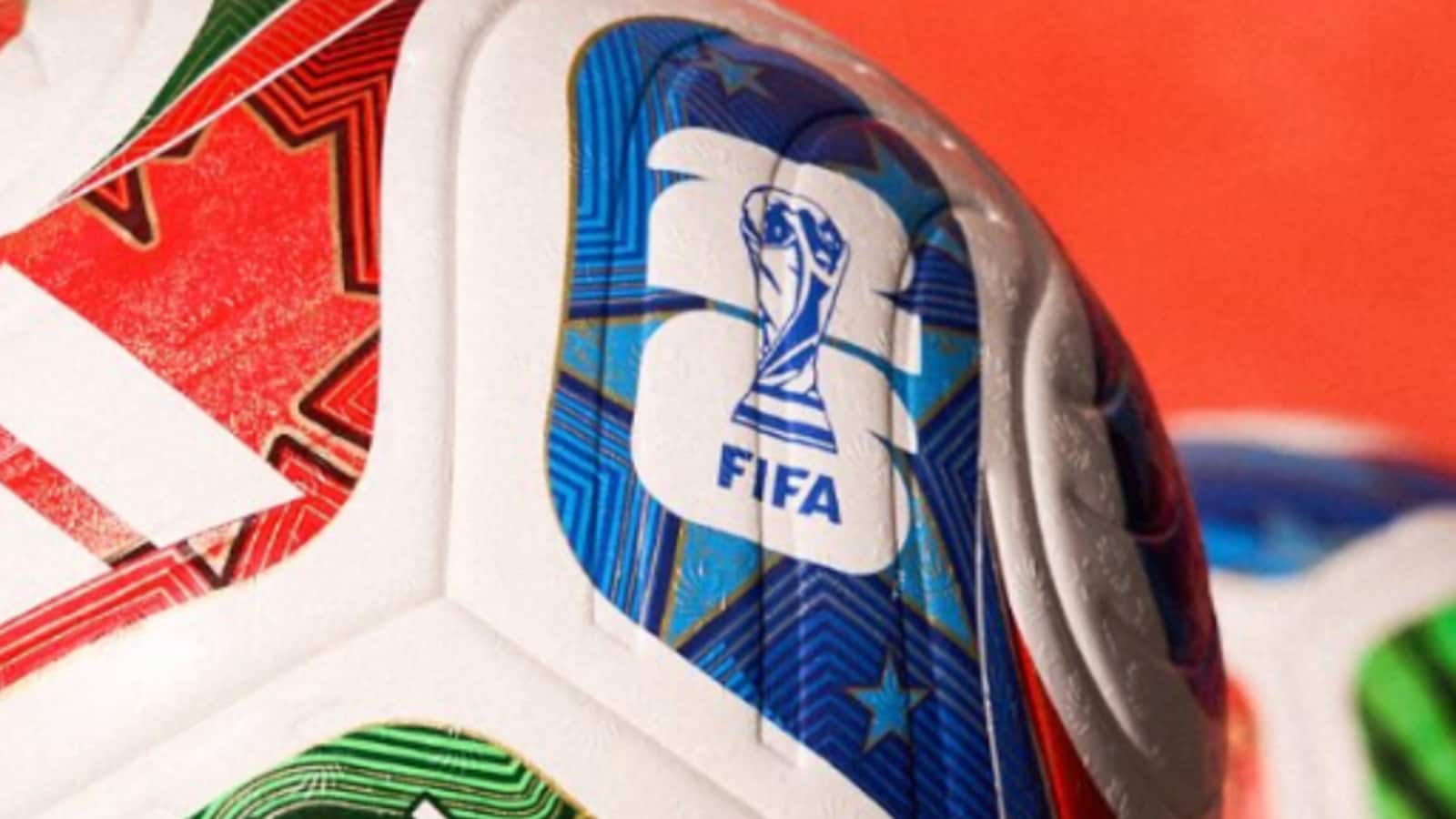
There is a ritual happening at every 2026 World Cup venue before each match that would have sounded absurd ten years ago. The official match ball, the Adidas Trionda, is placed on a charging pad for approximately 90 minutes before kickoff. Without that charge, the sensor inside it will not work. With it, every touch, pass, shot and deflection across 90 minutes of football will be tracked 500 times per second and transmitted in real time to the VAR room.
This is the ball that referees, coaches and broadcasters will be relying on across all 104 matches of the 2026 FIFA World Cup. Here is what is actually inside it and why it matters.
The Technology Inside the Ball
At the core of the Trionda is a 14-gram motion sensor chip, embedded inside one of the ball's four panels with counterbalances across the other three to preserve flight stability. The chip is an inertial measurement unit operating at 500Hz, meaning it captures data 500 times per second covering ball speed, spin rate, trajectory, direction of movement and the exact point of contact when a player strikes or touches it.
That data is transmitted wirelessly in real time to the VAR system and combined with player-tracking cameras installed at each stadium. The primary application is Semi-Automated Offside Technology, which uses the ball's contact data alongside player skeletal tracking to identify the exact moment a pass is played and resolve tight offside decisions in seconds rather than minutes. The sensor can also help identify individual ball touches, which has implications for handball reviews and any incident where pinpointing the precise moment of contact matters.
A full charge takes around 90 minutes and powers the sensor for up to six hours, comfortably covering warm-ups and a full match including extra time. When not in motion, the sensor enters hibernation mode automatically to conserve battery.
The Design and What It Represents
The Trionda's name translates to three waves in Spanish, referencing the three host nations. Its four-panel construction features the colours red, green and blue representing the United States, Mexico and Canada respectively, alongside embossed icons including the US star, Canadian maple leaf and Mexican eagle.
The deep panel seams and textured surface were designed to improve in-flight stability and maintain grip in humid and wet conditions, both of which are factors across several host venues this summer.