









How Adidas Trionda Microchip Changed Portugal vs Croatia World Cup Tie In An Instant
Croatia thought they had equalised in the 113th minute. The ball said otherwise. A microchip inside the Adidas Trionda detected a touch invisible to the human eye and sent Portugal to the Round of 16.
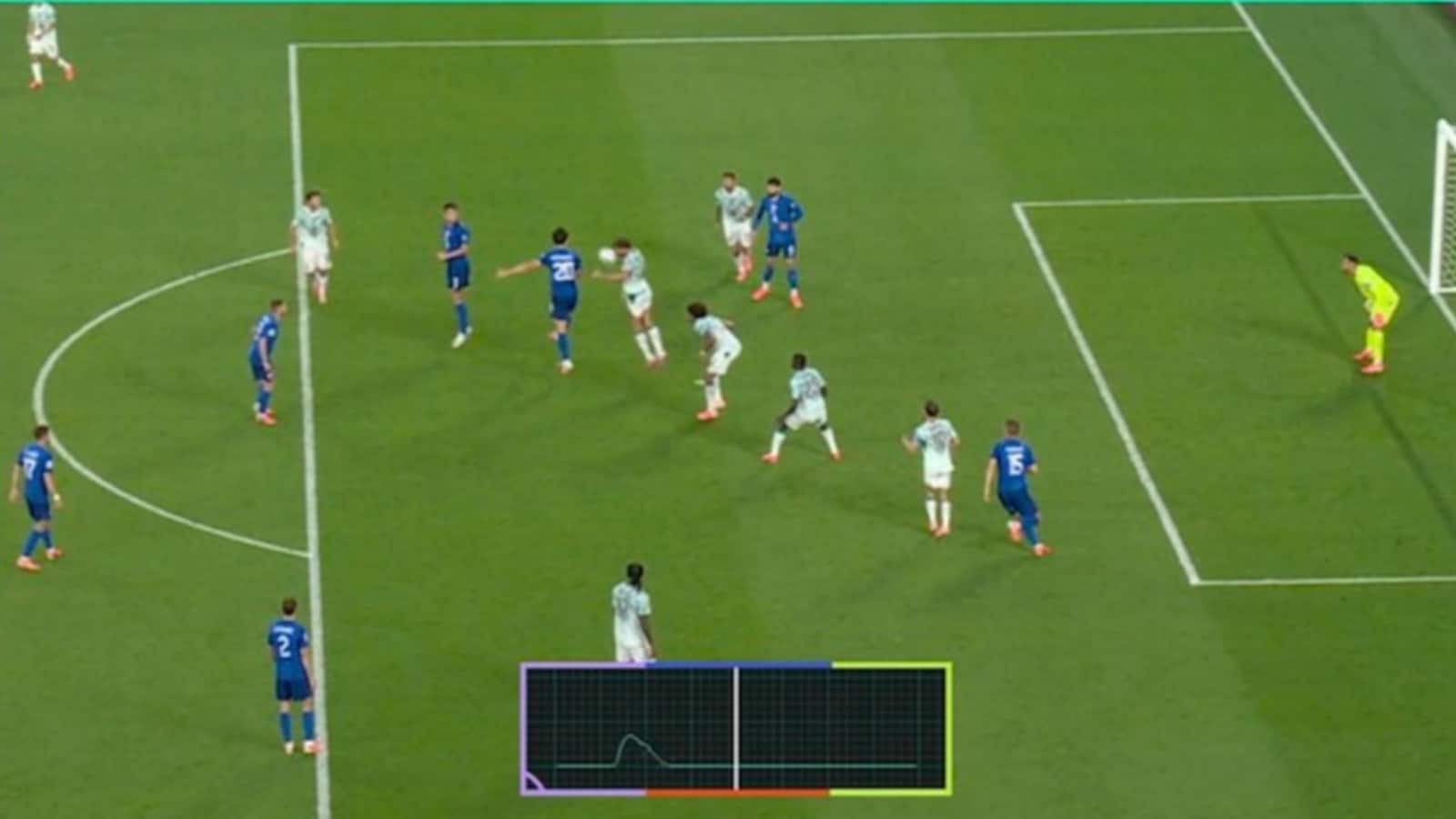
Portugal beat Croatia 2-1 in one of the most dramatic Round of 32 matches of the 2026 World Cup, and the decisive moment had nothing to do with a goal, a save or a tackle. It came from a microchip. In the 113th minute of extra time, Josko Gvardiol slid the ball into the net after a scramble in the penalty area and Croatia's players began celebrating what they believed was an equaliser. Referee Espen Eskas was alerted by VAR, the goal was reviewed, and within moments it was disallowed. Igor Matanovic, who was in an offside position, had touched the ball in the build-up before it reached Mario Pasalic and then Gvardiol. The touch was too faint for the human eye and too faint for any camera to definitively confirm. It was not, however, too faint for the sensor inside the match ball.
How the Trionda's Connected Ball Technology Proved the Touch
FIFA released an official statement on X shortly after the decision confirming what had happened: "According to the data provided by Connected Ball Technology housed within the Adidas Trionda, the official match ball of the FIFA World Cup, it was proven that contact was made by Croatia's Igor Matanovic in the build-up to the goal against Portugal, allowing the referee to correctly determine offside and disallow the goal."
The Trionda contains an inertial measurement unit (IMU) sensor operating at 500 times per second, embedded inside one of the ball's four thermally bonded polyurethane panels, with counterweights in the other three panels to preserve flight stability. The technology, described by FIFA as Connected Ball Technology, sends real-time data to VAR and displays a visual heartbeat graphic to broadcast viewers whenever any contact with the ball is detected. Former Premier League assistant referee Darren Cann clarified the process on BBC Sport, referencing the Snickometer comparison: "He was offside when the ball was last played by a teammate, and the ball was deflected by the defender and not deliberately played, so the offside stands. Snicko, that 100% proves that he touched it with the flick-on."
How the Match Reached That Moment
Gonzalo Ramos scored the winner in the 97th minute of extra time, heading home a Rafael Leao cross to end one of the most emotionally charged matches of the tournament. The game kicked off at midnight local time in Portugal, on the anniversary of Diogo Jota's death, with Jota named an honorary 27th man on the squad. After the final whistle, Ronaldo, who had scored from the penalty spot in the second half before being substituted, pulled on Jota's number 21 jersey in tribute on the pitch.
Croatia's night ended with controversy spilling beyond the disallowed goal. Bottles were thrown onto the pitch by supporters after the decision, and Croatian players surrounded the referee in protest. The Trionda's technology, not the officials, was the source of the decision. The ball had the data. The goal was never going to stand.