WWE’s Darkest Tragedy: How A 2-Time WWE World Champion Became The Reason Behind His Family’s Tragic End
A legendary WWE champion’s shocking family tragedy changed professional wrestling forever. Here’s a simple breakdown of the disturbing 2007 incident, the investigations that followed, and why the case still remains one of wrestling’s darkest stories.
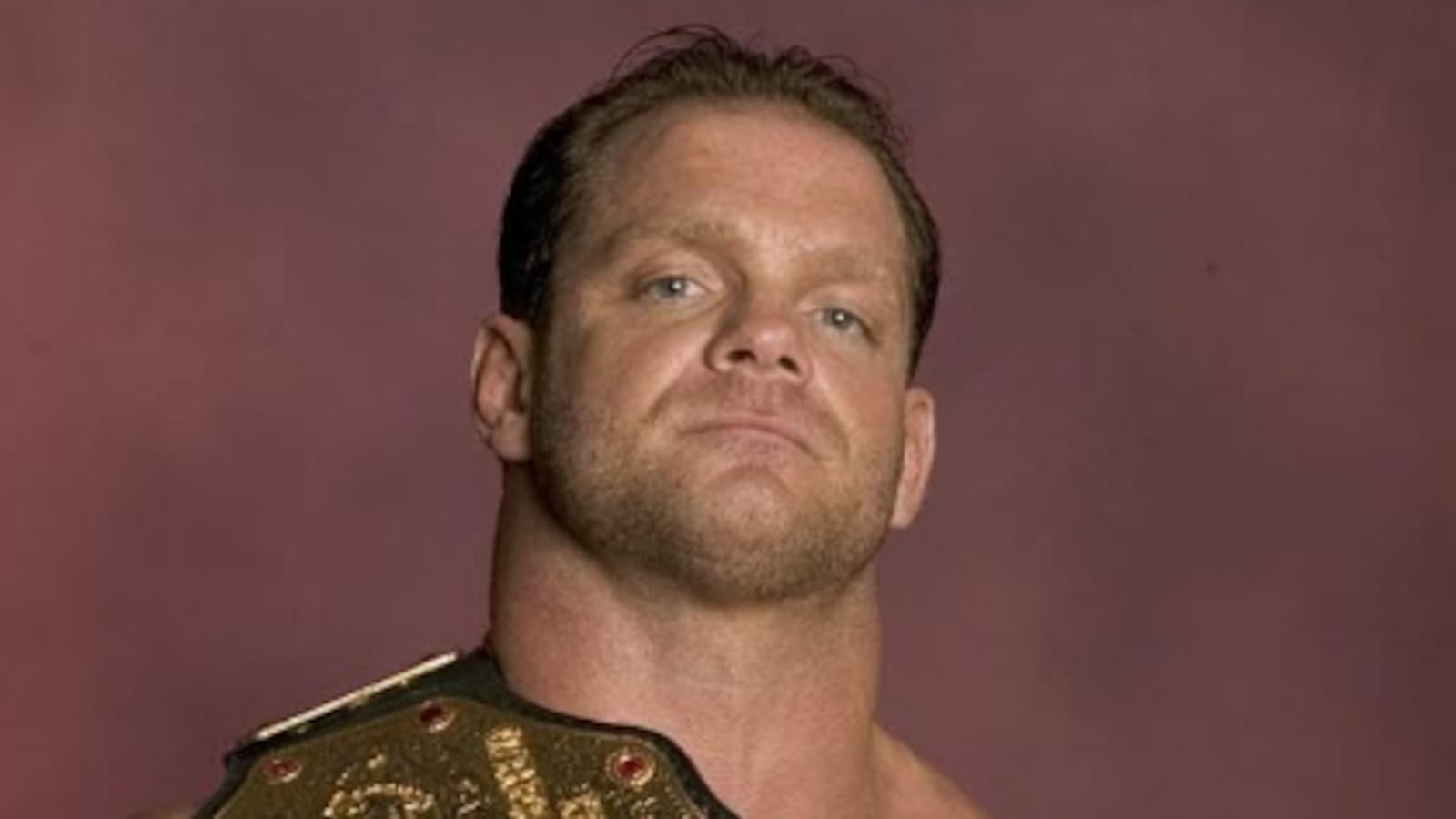
- A celebrated WWE world champion became involved in one of wrestling’s most horrifying real-life family tragedies.
- Investigators later examined possible links involving repeated head trauma, CTE, medications, and personal struggles.
- The incident permanently changed conversations around wrestler safety, concussions, and mental health in professional wrestlin
For a long time, Chris Benoit was known as one of the most respected wrestlers in professional wrestling. Fans remembered him for his intense matches, technical skills, and championship wins inside WWE. The Canadian wrestler held multiple major titles during his career, including becoming a two-time world champion. To many wrestling fans in the 2000s, Benoit was seen as one of the toughest and most dedicated performers in the business.
But in June 2007, everything connected to his legacy changed forever. Over the course of a shocking weekend at his home in Fayetteville, Georgia, Benoit's wife Nancy and their seven-year-old son Daniel were found dead alongside him. Investigators later concluded that Benoit had killed both family members before taking his own life.
Inside the horrifying weekend that shocked WWE forever
Authorities later revealed that Nancy Benoit was killed first on June 22, 2007. Investigators said she died from asphyxiation inside the family home. Their son Daniel was killed the following day while he was in his bedroom. Reports later stated that Daniel had been sedated and was likely unconscious at the time.
On June 24, Chris Benoit died by suicide inside his home gym using gym equipment. Investigators also found Bibles placed near the bodies. The discovery shocked both police and WWE officials once details slowly became public.
Strange calls, missed WWE appearances, and the messages that raised concern
At first, WWE reportedly believed the deaths were part of a family emergency because Benoit had contacted coworkers during the weekend. Before the bodies were discovered, several WWE stars reportedly became worried after hearing from Benoit during the weekend.
Wrestler Chavo Guerrero later said Benoit sounded unusual during phone conversations. Benoit had reportedly told people that Nancy and Daniel were suffering from food poisoning and that he would miss scheduled WWE appearances.
Several text messages were also reportedly sent to WWE coworkers early on June 24. Some included the family's home address and details about the dogs being left near the pool area. At the time, the messages confused people more than alarmed them.
When Benoit failed to appear at a WWE pay-per-view event later that weekend, concern inside the company reportedly increased. WWE eventually contacted local authorities for a welfare check at the home, where the bodies were later discovered.
What experts later discovered about Chris Benoit's brain condition
After the tragedy, discussions quickly shifted toward Chris Benoit's mental condition and the physical damage his body may have suffered during years of wrestling. Doctors who later examined his brain reportedly found severe signs of chronic traumatic encephalopathy, also called CTE, a condition linked to repeated head trauma.
Some experts claimed Benoit's brain reportedly resembled that of an elderly Alzheimer's patient despite him being only 40 years old. Former wrestler and researcher Christopher Nowinski also pushed for more awareness around concussion-related brain injuries in wrestling and contact sports.
At the same time, steroid use became another major topic because steroids were reportedly found inside the house. However, investigators and several experts later stated the killings appeared planned rather than something caused by sudden “roid rage.” Over time, the Benoit case became one of the biggest examples used in conversations about athlete brain injuries and mental health.