FAA Declares All 2026 FIFA World Cup Stadiums No Drone Zones Ahead of Tournament Kickoff
Whether you hold a licence, have prior clearance, or simply want an aerial shot of the stadium, the answer is the same. Do not bring a drone to a World Cup venue. The FAA has made that rule federal law, and the penalties for breaking it are severe.
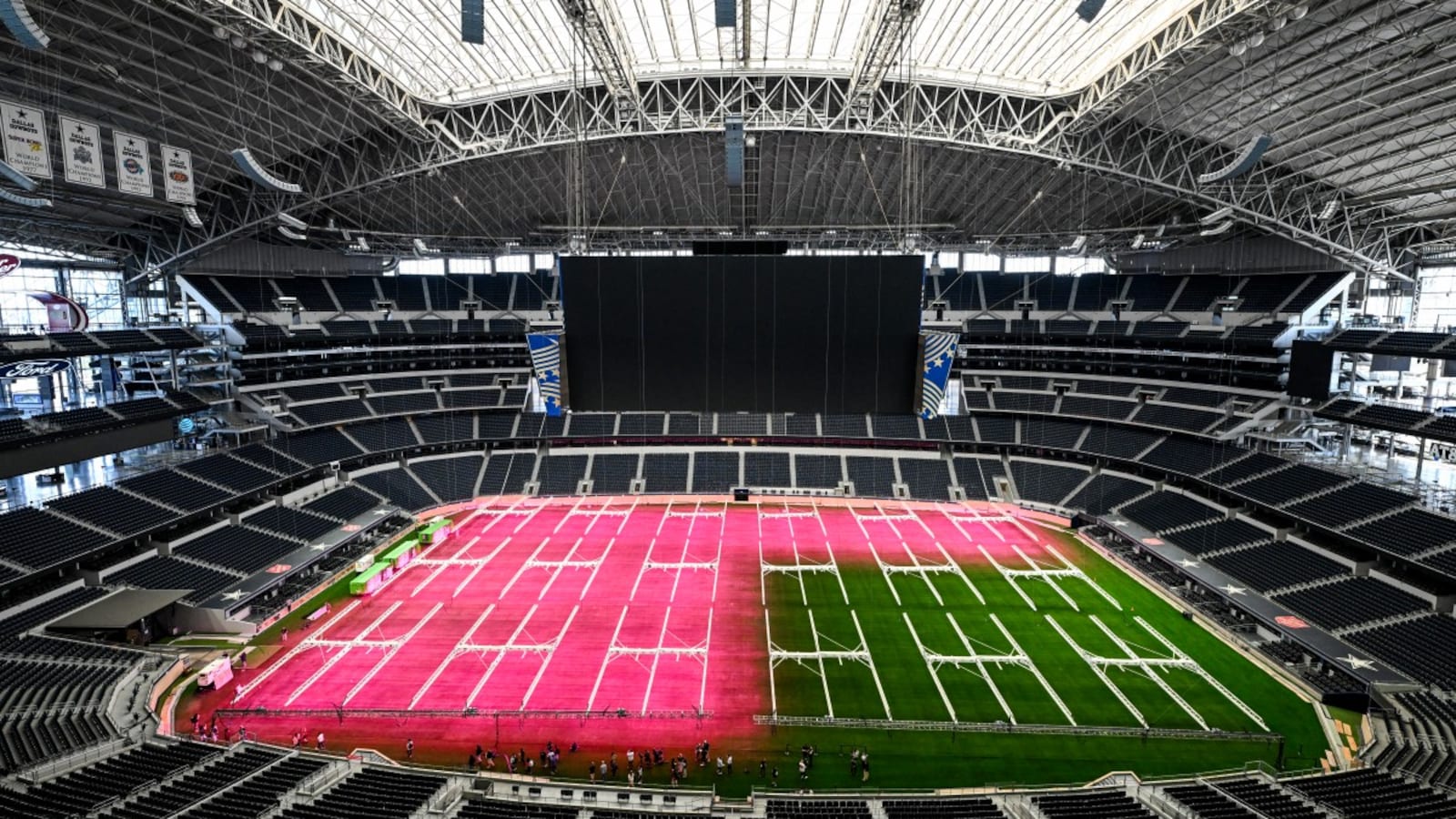
Thirteen days before the opening match in Mexico City, federal authorities in the United States are making their position on drones around World Cup stadiums as clear as possible. Every venue. Every surrounding event space. No exceptions.
The US Department of Transportation, acting through the Federal Aviation Administration, has declared all FIFA World Cup 2026 stadiums and their surrounding areas strict No Drone Zones. The agency said the measure is aimed at ensuring the safety of players, spectators and event staff across the expanded 48-team tournament, which runs from June 11 to July 19.
As fans from around the globe gather to celebrate the beautiful game, safety and security remain our top priorities, the FAA stated in its official release. The agency added a direct warning to anyone attending matches: do not bring a drone to the stadium or any official World Cup events.
What No Drone Zone Actually Means
The rule is broader than it sounds. A No Drone Zone means no individual is allowed to launch, land or operate a drone within restricted airspace around World Cup venues, the FAA confirmed, adding that even licensed drone operators or those with prior authorisation will not be exempt during active Temporary Flight Restriction windows. The TFRs will be in force during every match window, shutting down all aerial activity in designated zones around each stadium regardless of who is asking.
The FAA is coordinating closely with the FBI and local law enforcement to monitor and respond to any unauthorised drone activity, and authorities will deploy advanced detection systems capable of tracking and intercepting drones that violate the restrictions.
The financial consequences for ignoring all of this are significant. Violations can result in civil fines of up to $75,000 and criminal fines reaching $100,000, alongside equipment confiscation and possible federal prosecution. The FAA has directed fans to use the B4UFLY app to check airspace restrictions near host cities before travelling with any unmanned aircraft.
The Counter-Drone Infrastructure Behind the Rules
The No Drone Zone designation is the visible part of a considerably larger security build-up. The Safer Skies Act, codified through the 2026 National Defense Authorization Act, gives trained state and local law enforcement counter-drone mitigation authority for the first time in US history. A $500 million counter-drone initiative announced by the Trump administration last October set the funding ceiling for the full programme.
The US Coast Guard is deploying the Parrot ANAFI USA on a new domestic counter-drone mission, with World Cup venues serving as the first operational test of that capability. The Washington National Guard conducted simulated stadium drone attack exercises at Lumen Field in Seattle last autumn as part of pre-tournament preparation.