





China's World Humanoid Robot Games Offer A Glimpse Into The Future Of Robotics
The second edition of the World Humanoid Robot Games in Beijing demonstrated that robots are not just improving, but doing so at a stunning pace and becoming increasingly capable of bringing real-life benefits to humans.
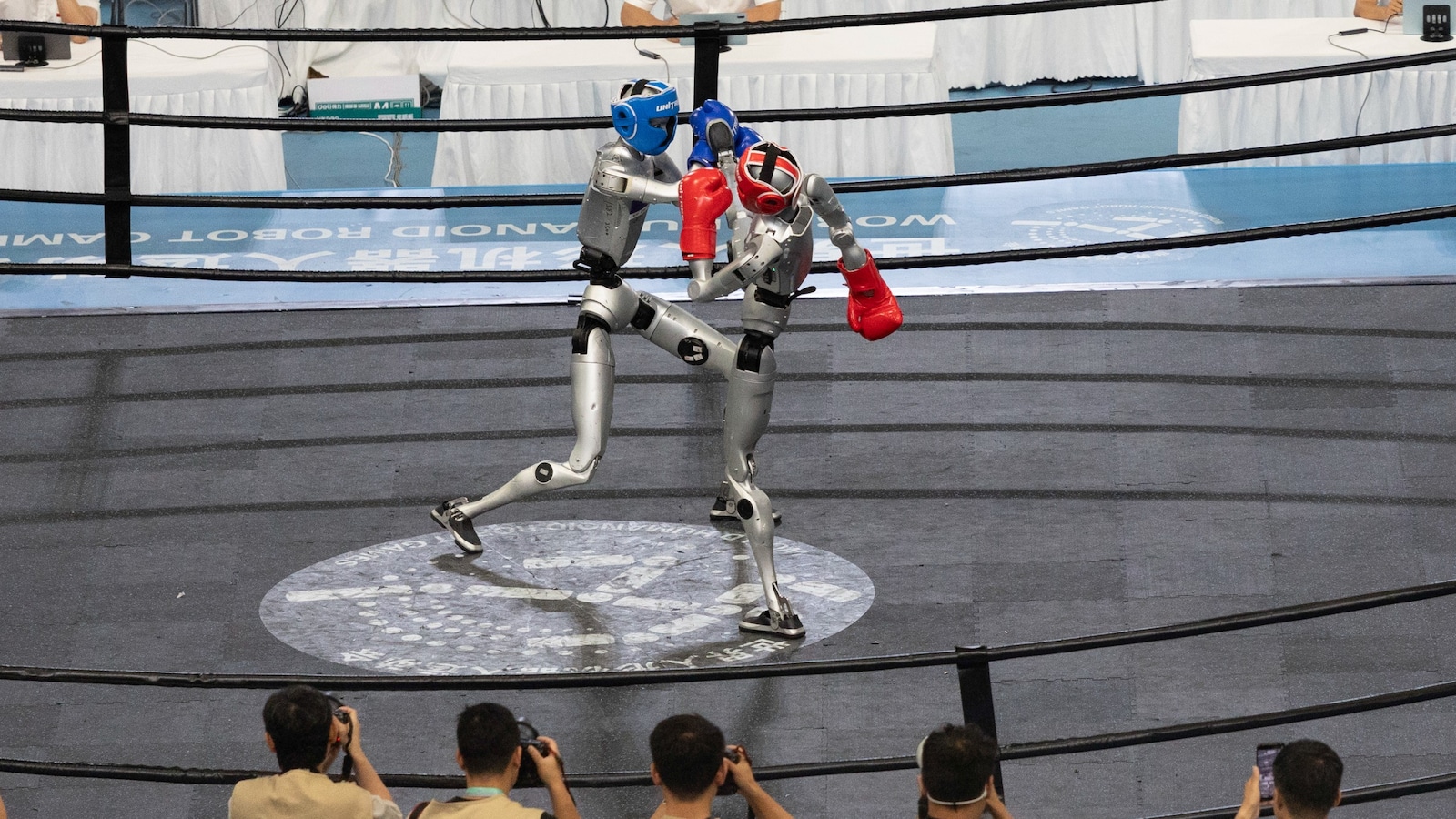
In 1997, when a computer defeated the reigning chess world champion for the first time in history, many wondered how long it would take for machines to be able to match, or even surpass, humans in competitive sports that involve a high level of physical exertion. Watching the 2nd World Humanoid Robot Games held in Beijing from August 22 to 26, one couldn't help but return to that thought. The annual event brought together 666 teams from 16 countries across six continents, with over 2,000 robots in action.
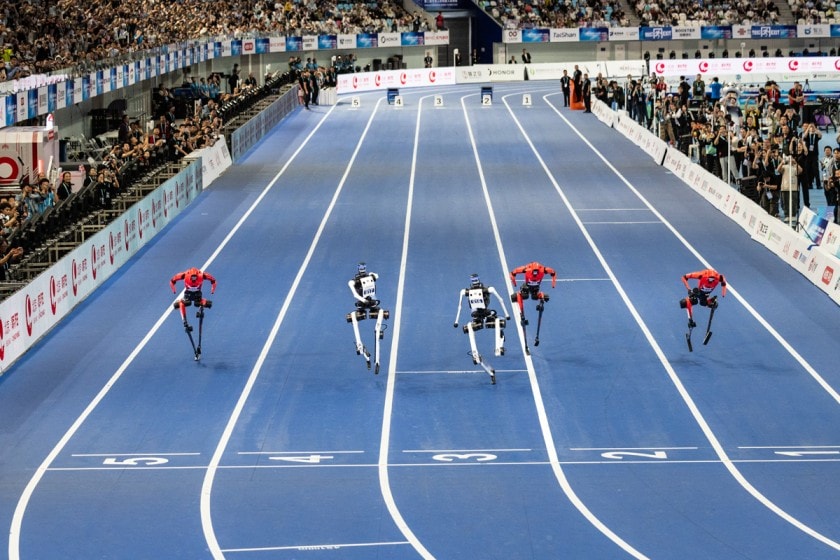
Over the course of the five days, quite a few humanoid robots ran faster than Usain Bolt's 100m and Wayde van Niekerk's 400m world record times, with a few jumping higher than Javier Sotomayor's world record jump of 2.45 metres. These came just months after a humanoid robot beat the human half-marathon world record in Beijing in April.
The significance of these feats couldn't be overstated. That robots can already outrun humans when the robotics sector is still at the beginning of an unprecedented boom makes one wonder what possibilities lie a few years down the road.
Not all robots, needless to say, displayed the same level of athleticism or finesse. There were a few erratic ones who malfunctioned or collapsed in the middle of their performances.
Semifinals of the 5v5 medium robot group football competition at the World Humanoid Robot Games. Still some way to go in terms of speed, but some of these tiny robots are shooting and passing much better than expected. pic.twitter.com/Ru2SDQMlVv
— Bhargab Sarmah (@BhargabSarmah) August 26, 2026
Yet, the rate of improvement from the first edition of the Robot Games in 2025 was quite stunning. In football, for instance, the robots, albeit still much slower than their human counterparts, showcase improved shooting and passing abilities compared to last year.
The underlying aim of the event was to showcase the advances in capabilities of robots. From a practical viewpoint, it did a good job highlighting the progress robots have achieved in supporting humans in everyday life.
The Robot Games featured multiple competitions centred on real-life scenarios. Beyond the headlines about robots outrunning humans, these scenario-based events offered a realistic preview of where robotics is headed.
These competitions ranged from mundane chores like packing, gardening and electric vehicle charging to more serious activities like retail services and industrial assembling. There was also a fire rescue competition that highlighted how robots could be used in emergency response roles that involve high risks for humans.
Strolling around the venue of the Robot Games, the National Speed Skating Oval, yours truly had the chance to explore some of the latest offerings in booths set up by some of China's well-known robotics firms.
At a robot-run kitchen, one robot sliced through cucumbers while another baked nuggets. They were slow but steady and precise. At another outlet, a robot served orange juice within a couple of minutes, and at yet another one, a robot seamlessly performed the role of a shopkeeper.
At one stall, a semi-autonomous wheelchair wowed visitors with its ability to slowly, but steadily, help occupants down a flight of stairs without outside support.
There were exoskeletens, brain-computer interface wearables and many other products that highlighted how robotics is gradually entering the medical field, particularly in eldercare.
Multiple cities across China have gradually introduced robots into eldercare, including the world's first smart eldercare service robot station in Beijing this year. Fully autonomous robot-run restaurants are already operational in Hangzhou and Beijing.
So are multiple robot-run retail outlets across parts of China, with the Galbot G1-run stores being particularly popular. Moreover, service robots have become increasingly common in the hospitality sector.
What the second edition of the World Humanoid Robot Games demonstrated is that robots are not just improving, but doing so at a stunning pace and becoming increasingly capable of bringing real-life benefits to humans.
The writer is a journalist based in Beijing, currently working as an editor at the Beijing-based CGTN.com.