Inside Borussia Dortmund's Signal Iduna Park: 100,000 Litres Of Beer, A Prison And The Yellow Wall
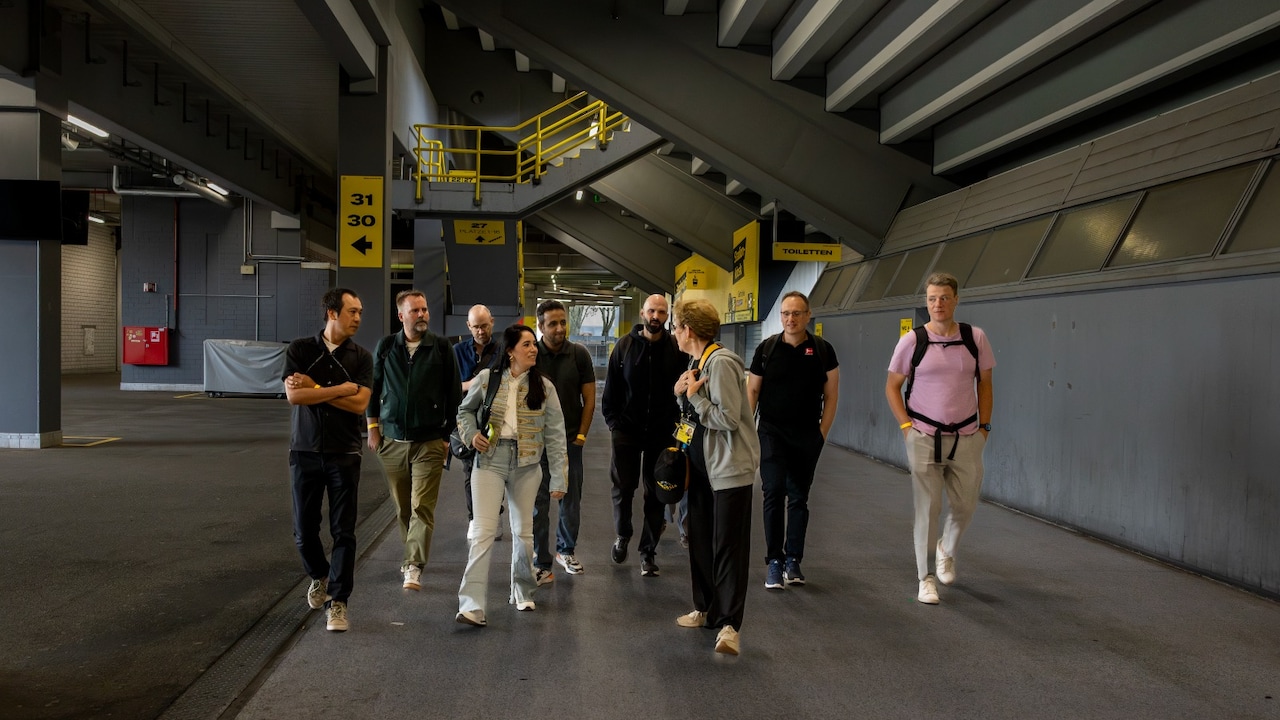
During NDTV's trip to Germany for the Franz Beckenbauer Super Cup, some fascinating stories emerged from the venue of the match, Signal Iduna Park.
 © Vera Loitzsch Bundesliga/Getty Images
When it comes to European football, there's hardly a football stadium that comes close to the atmosphere that Borussia Dortmund's Signal Iduna Park creates. For the club, the stadium is far more than a place where 11 players in black and yellow play football for 90 minutes. It is the beating heart of the club, a place supporters from the age of 8 or 10 to those touching 90s return week after week, where traditions are passed from one generation to the next and where even the smallest details appear to have a story behind them.
Officially known as Signal Iduna Park, and still affectionately called Westfalenstadion by many supporters, Dortmund's home is Germany's largest football stadium. But its scale is only part of the attraction.
The real story is what happens inside it. During NDTV's visit to the stadium in Dortmund, some fascinating stories came to the fore.
On a matchday, around 100,000 litres of beer are consumed inside the stadium, according to information shared during a stadium tour. That number gives you an idea of the sheer scale of a Dortmund home game. With tens of thousands of supporters arriving hours before kick-off and the stadium filling up in waves of black and yellow (saying yellow and black is prohibited), matchday is almost like a city within the city. Then comes the special 'Yellow Wall' Sudtribune.
25,000 People Standing Together In The Yellow Wall
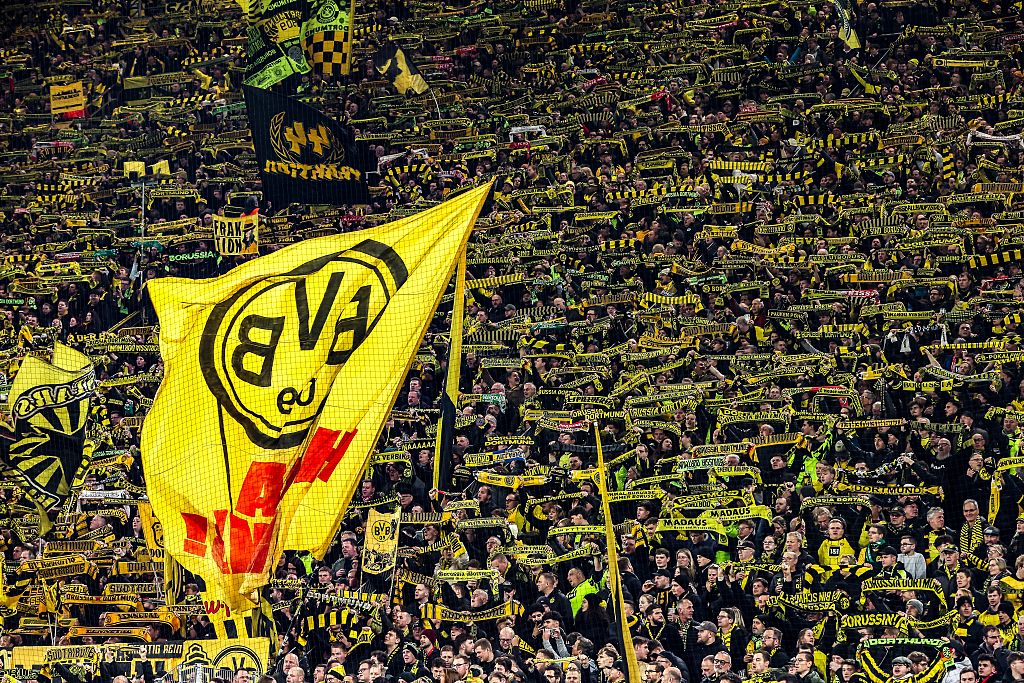
The Yellow Wall is perhaps the most recognisable feature of Signal Iduna Park. The South Stand accommodates almost 25,000 supporters for Bundesliga games, making it the largest standing terrace in European football. Bundesliga's own description of the stand puts the number at almost 25,000 fans for a home league game.
Unofficial estimates can put the figure even higher, at around 30,000 depending on how the numbers are calculated. From the pitch, the stand does not simply look large. It feels endless. One wall of yellow rises behind the goal, with supporters packed shoulder to shoulder, creating one of football's most intimidating atmospheres.
How close people stand next to each other can be understood by the fact that roughly 3-4 people occupy a space of 18x12 inches (the approximate size of a 2-page newspaper sheet).
The most crucial part, however, is not merely its size. It is who occupies it.
A Lifetime Of Watching Borussia Dortmund
Dortmund's relationship with its supporters is not restricted to one generation. During a visit to the stadium, one of the stories that stands out is that some season-ticket holders are in their 80s. There are supporters as old as 88 who continue to attend almost every home game.
For some fans, going to Signal Iduna Park is not something they do occasionally. It is part of their weekly routine. They have watched Dortmund through triumphs and disappointments, through title-winning teams and rebuilding phases, and through generations of players. The stadium becomes a place where family history is created.
A grandfather can stand alongside his son, who can stand alongside his grandson, with all three connected by the same club. That perhaps explains why Dortmund's famous slogan, "Echte Liebe", which means "True Love", feels apt.
The Borussia Dortmund 'Prison'
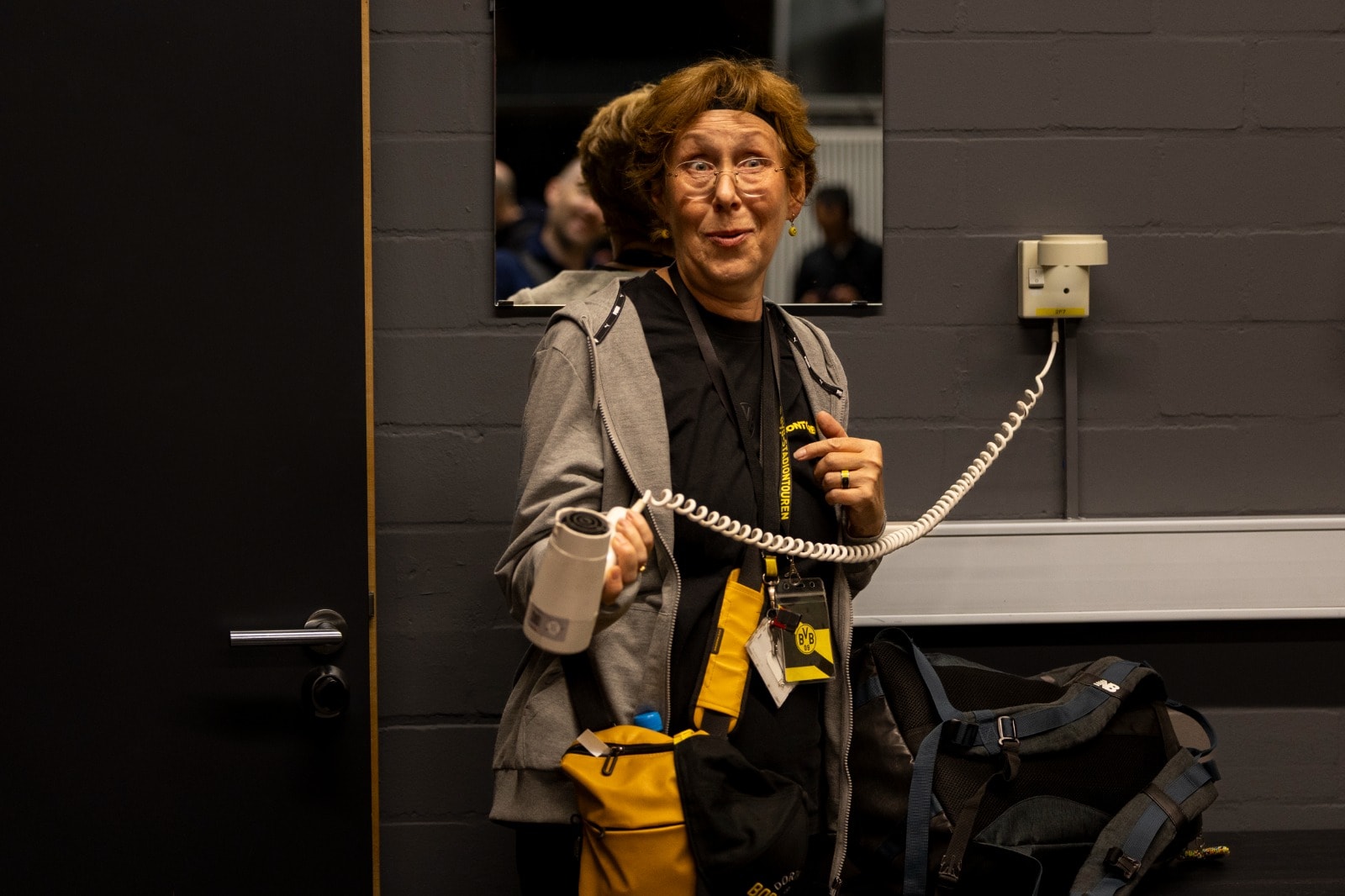
During NDTV's tour of the stadium, it was found out that the Signal Iduna Park has something that most football stadiums would rather not advertise: a prison.
The stadium has its own detention facility for dealing with unruly supporters and incidents on matchdays. It is not a gimmick or a museum exhibit. The stadium tour itself includes the "stadium prison" among the areas visitors can see.
It is one of the more unusual reminders of what organising a football match involving more than 80,000 people actually entails.
The atmosphere at Dortmund can be spectacular, but managing such a crowd requires an equally serious security operation. There's a dedicated room in the stadium where police officials are placed, just to manage crowd behaviour.
The Home-Away Divide: From Extra Stair To 'Echte Leibe'
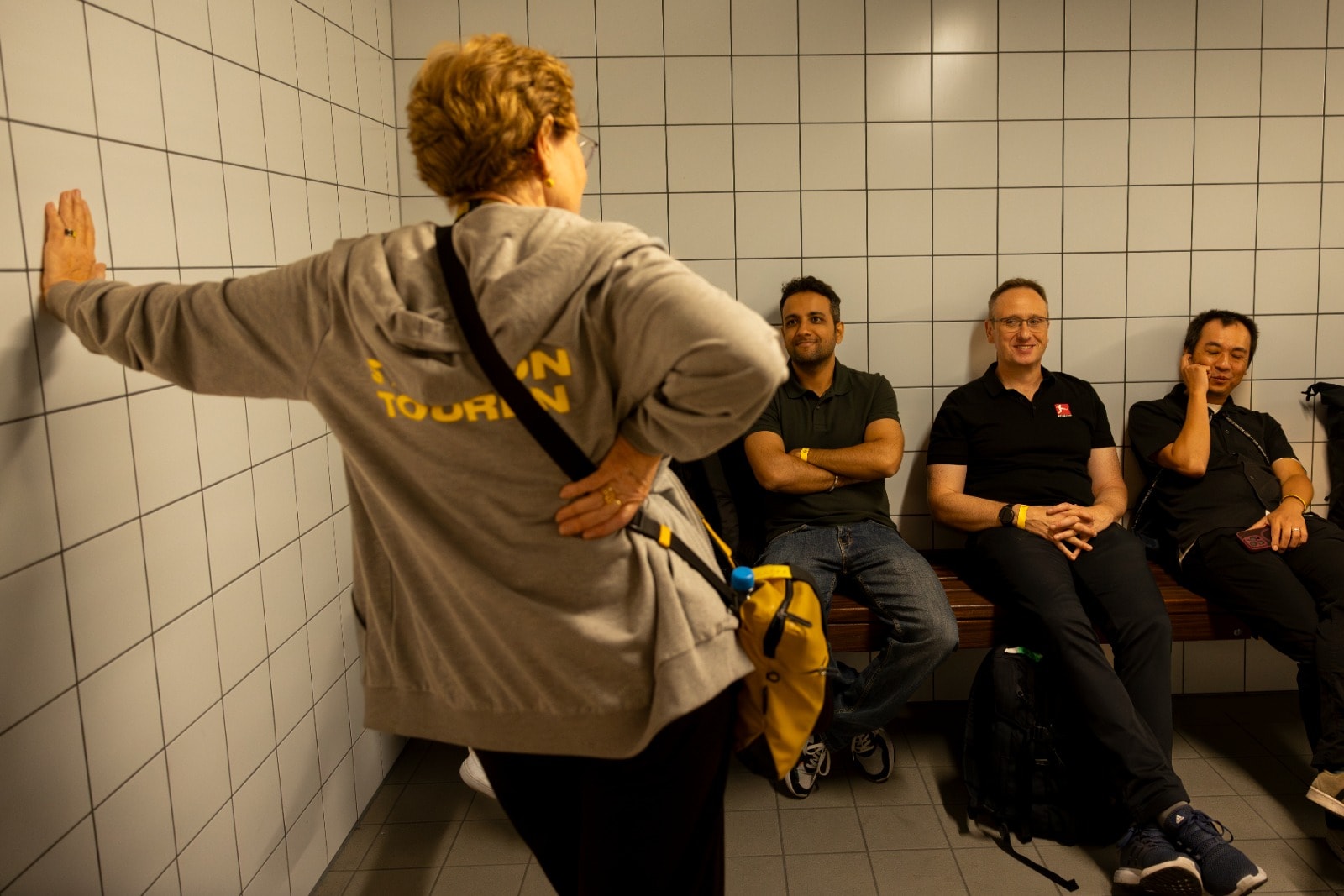
Some of the most interesting details at Signal Iduna Park are hidden away from the crowd. The route from the players' arrival area towards the dressing rooms includes a small but deliberate distinction.
Dortmund players down 12 steps. The visiting players take 13. Call it luck, superstition, or something else entirely, there are stories that make Westfalenstadion one of the most fascinating venues in world football.
The Dortmund bench carries the words "Echte Liebe", the club's famous expression of "True Love". It is a phrase that has become inseparable from Borussia Dortmund and its identity. The home substitutes' seats are marked by the slogan, making it one of the last things Dortmund players see before entering the pitch and one of the first things they encounter when returning to the bench.
The away bench, however, has a particularly interesting twist. There is a single seat associated with Dortmund for a former BVB player who returns to Signal Iduna Park as a member of the visiting team. It is a small gesture, but one that captures something that is unique to Borussia Dortmund.
At Dortmund, history does not necessarily disappear when a player leaves. Sometimes, it comes back through the same tunnel, while wearing a different shirt.
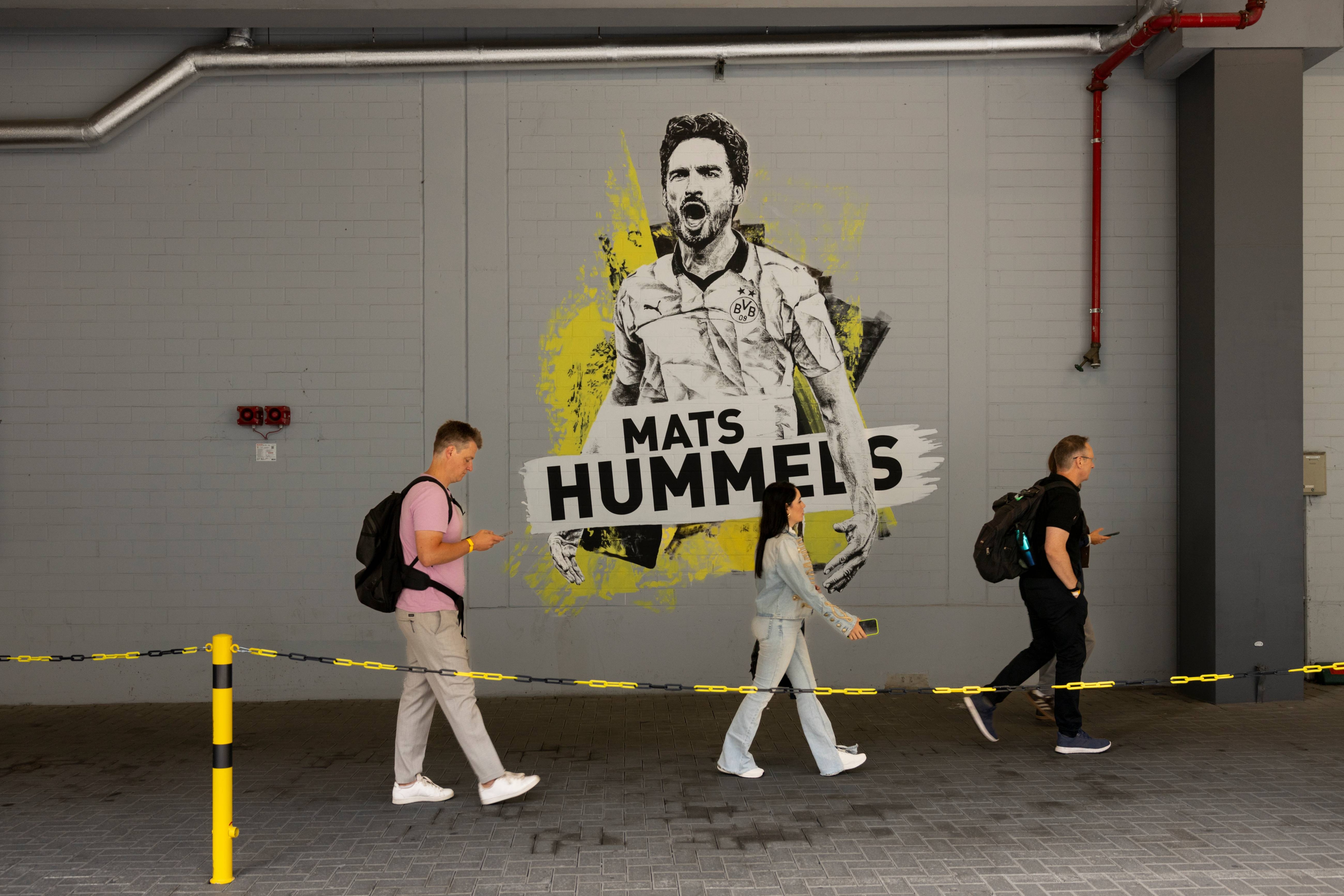
Results on the field, player transfers, and titles tell the story of a club, but the smaller details tell the true story of Dortmund, the family.