Commonwealth Games: The Highs, Lows, And Unrivalled Comeback Of Indian Boxing
Reformed governance since 2016 sparked a resurgence, with India achieving record Commonwealth Games boxing medals in 2018, 2022, and a historic 2026 performance.
 © Getty
For decades, boxing in India occupied an uncomfortable space within the national sporting landscape. While sports like cricket dominated mainstream chatter, boxing often fought for attention. However, the Commonwealth Games provided a crucial platform where Indian pugilists transformed from underdogs into global contenders. The trajectory of Indian boxing across the history of the Commonwealth Games is an intriguing story in itself. It is a journey marked by an exhilarating peak, a devastating administrative collapse, and now an unmatched revival.
The First Peak
The foundation for India's modern boxing era was laid at the 2002 Manchester Commonwealth Games when lightweight boxer Mohammed Ali Qamar scripted history by clinching India's first-ever boxing gold medal at the Commonwealth Games, laying the foundation of a belief that Indian boxers went on to build on in the coming years. Qamar proved that Indian boxers could also showcase the technical finesse to succeed on an international stage.
Four years later at the 2006 Melbourne Games, India showed that Qamar's heroic effort was not a fluke. Led by Akhil Kumar's memorable gold medal performance alongside a young Vijender Singh, the Indian contingent returned with five medals, establishing themselves as a formidable force in the Commonwealth arena.
India found its best-ever boxing medal haul at the 2010 Delhi Commonwealth Games. Capitalising on home support, Indian boxers delivered an unprecedented performance. Suranjoy Singh, Manoj Kumar, and Paramjeet Samota all claimed gold medals, while Vijender Singh secured bronze. Finishing with seven medals in total, India showcased a tactical maturity and physical conditioning that matched traditional powerhouses like England and Belfast's finest. India were no longer sending boxers just to participate in the Commonwealth Games. They had now found both the will and the reason to dominate the sport.
The Fall, Triggered By Administrative Crisis
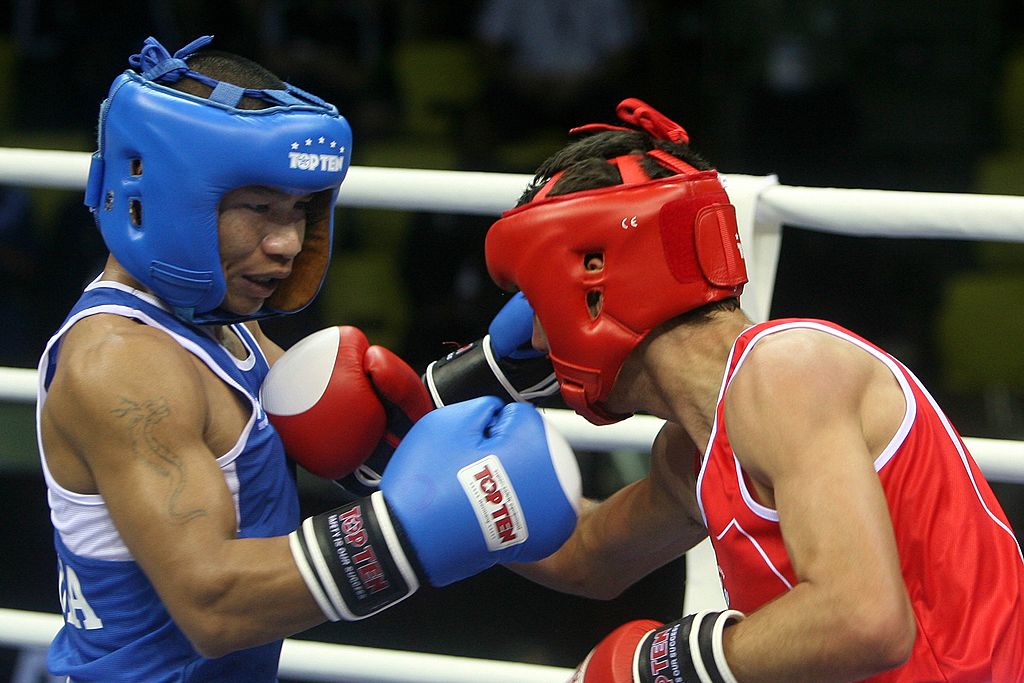
Just as Indian boxing seemed to be hitting new heights and creating a buzz all across the globe, the entire ecosystem collapsed. Following allegations of election irregularities, the International Boxing Association provisionally suspended the Indian Amateur Boxing Federation in late 2012. By 2014, the Indian Sports Ministry officially derecognised the body, leaving pugilists who had dreamed of making the country proud shattered and clueless about what the future held for them.
The suspension frequently forced Indian boxers to compete under neutral flags or under the international banner at international meets.
Without a recognised national governing body, national championships came to a virtual standstill, denying young talent crucial competitive practice and the stage to excel. International exposure trips were trimmed to a bare minimum, leaving boxers isolated.
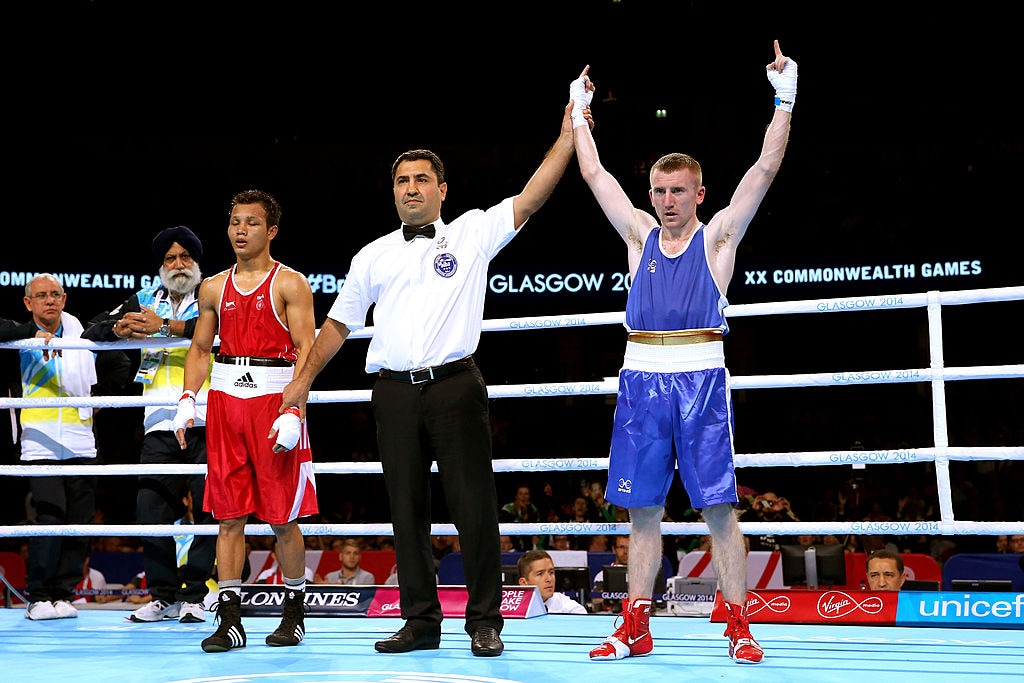
The impact was clearly visible at the 2014 Glasgow Commonwealth Games, where India struggled to showcase the same mettle that saw them clinch seven medals in the 2010 Delhi Games.
India could not win a single gold medal at that event in boxing. Valiant efforts from boxers like Devendro Singh and Mandeep Jangra, together with medals in the women's division from Laishram Sarita Devi and Pinki Rani, took the country's tally to five, with four of them being silver medals.
The Modern Resurgence
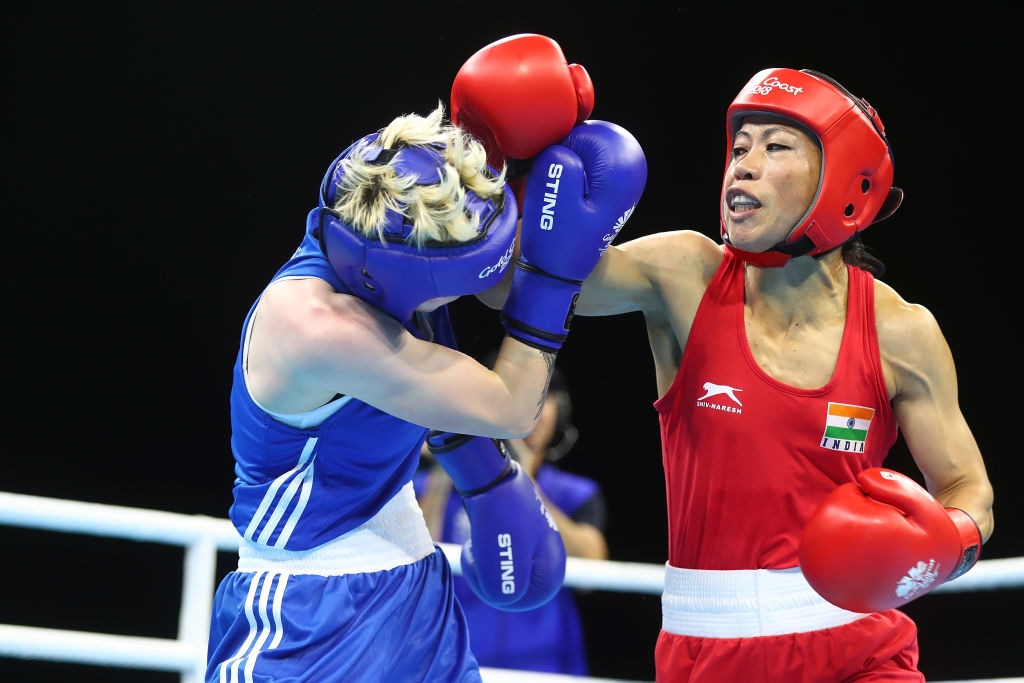
The establishment of the Boxing Federation of India in late 2016 gave the country new hope in the sport. The results of this modernisation were immediate at the 2018 Gold Coast Games. It was then that the country's boxing icon Mary Kom marked her CWG debut with a triumphant gold, while Vikas Krishan Yadav and Gaurav Solanki also earned top podium spots. India ended the tournament second on the boxing medal tally with nine pugilists finding a spot on the podium. India earned a total of three gold, three silver, and three bronze medals.
The 2022 Birmingham Commonwealth Games again saw India clinch three gold medals, though the overall tally in boxing went down from nine to seven. But the Birmingham Games saw a new generation of pugilists rise to the occasion and show how the country had started to reap the rewards of consistent efforts in the background.
Nikhat Zareen and Nitu Ghanghas demonstrated world-class technique and composure to capture gold medals in their respective categories, while Amit Panghal redeemed his previous heartbreaks to claim gold in the flyweight division.
The Indian boxing contingent's previous memories from the Glasgow Games 2026 were not the most rewarding, but it is in the same city that the country decided to bury the ghosts of the past.
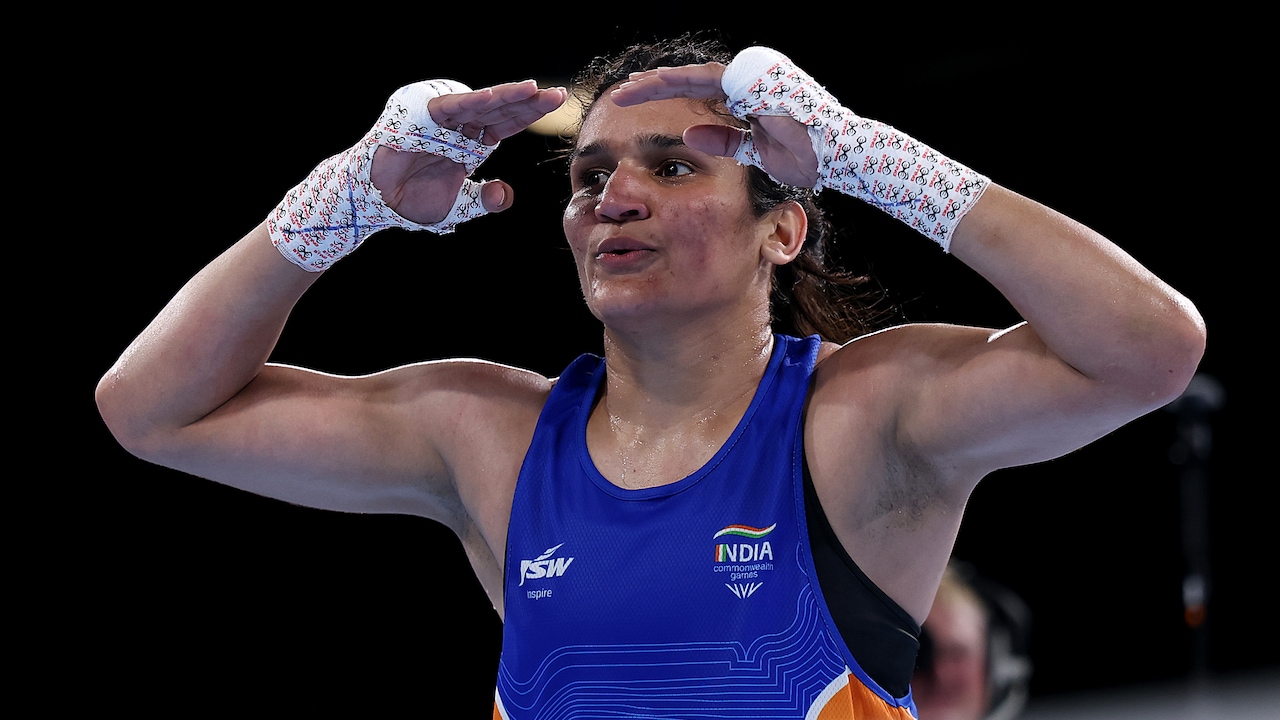
Led by standout quarter-final wins from the likes of Sachin Siwach (60kg), Jaismine Lamboria (57kg), Sakshi Chaudhary (51kg), Ankush Panghal (80kg), and Olympic medallist Lovlina Borgohain (75kg), the Indian boxers swept through the knockout rounds to ensure that every losing semi-finalist earns at least a bronze medal.
All six Indian pugilists, competing in various categories on Wednesday, July 29, assured the country of a medal, taking the overall tally (including both medals won and promised) to ten, the best ever in the country's history.